
Where Does Waste Go in Mobile Toilets?
The waste disposal method for mobile toilets depends on the type of toilet, with common methods including direct discharge, collection, degradation, or resource treatment, as detailed below:
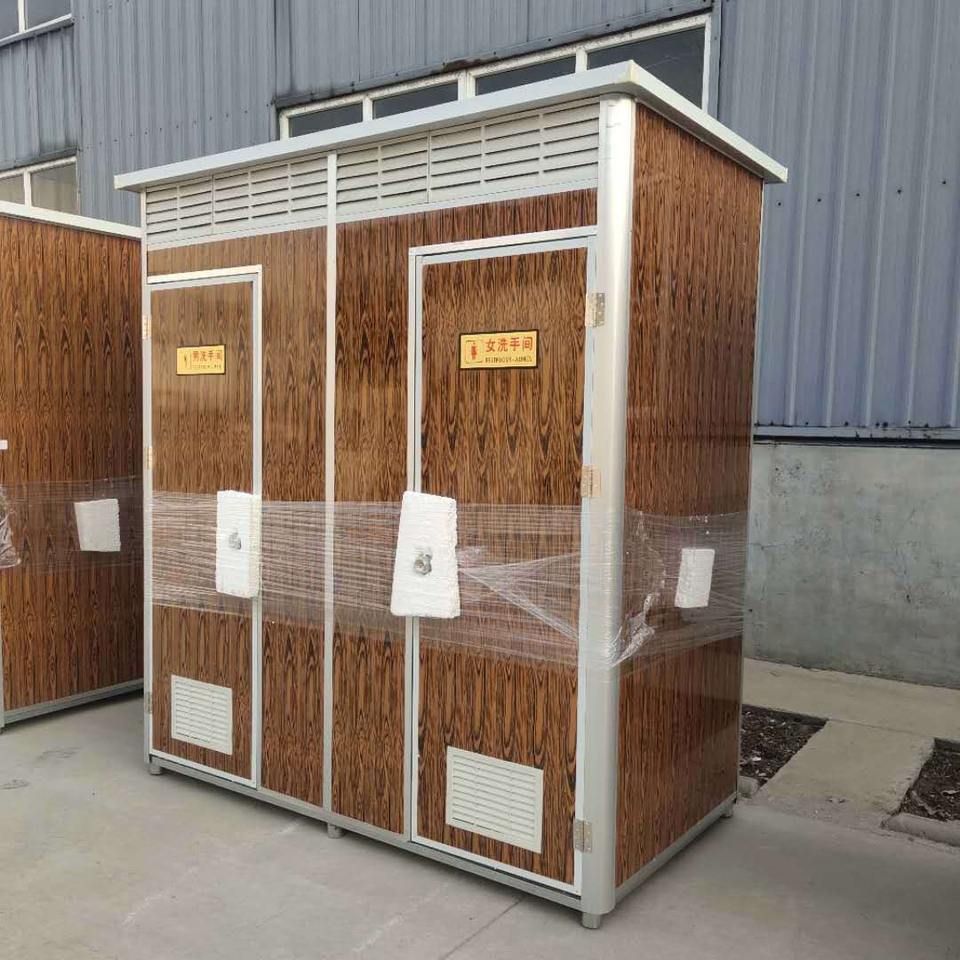
1. Direct Discharge Direct-discharge mobile toilets use a flushing mechanism to send waste directly into sewer pipes, requiring connection to municipal sewage systems or septic tanks. These toilets are commonly found in temporary urban event venues or areas with well-developed infrastructure, relying on external sewage systems for immediate disposal. Their advantage lies in eliminating the need for manual cleaning, but they require clear pipes and compliance with environmental discharge standards.
2. Collection-Based Disposal Collection-based toilets temporarily store waste in containers for later centralized treatment:
- Flushing/Non-flushing Suction Types: Flushing models use a water tank to flush waste into a bottom sewage tank, while non-flushing suction types directly collect waste in a sewage tank. Both require regular cleaning by sewage suction trucks and are suitable for locations without sewage pipes, such as construction sites or tourist attractions.
- Vacuum Suction Types: These use a vacuum pump to draw waste into a collection tank, offering strong sealing and minimal odor. They are commonly used in vehicle-mounted mobile toilets or high-end event settings and require periodic emptying of the collection tank.
3. Dry Packing and Foam Sealing
- Dry Packing Types: These use biodegradable plastic bags to collect waste, with a new bag automatically replacing the used one after each use. Waste is then transported to treatment plants. These toilets require no water and are ideal for water-scarce or environmentally sensitive areas, such as deserts or plateaus.
- Foam Sealing Types: These use foaming liquid to create a sealed layer over waste, suppressing odors and reducing flush water volume. Sewage suction trucks periodically remove the waste. These are suitable for large temporary events or high-traffic areas.
4. Degradation and Resource Treatment
- Microbial Degradation Types: These use bacteria to ferment and decompose solid waste into carbon dioxide and water, while treated urine is reused as gray water (e.g., for flushing). These toilets are environmentally friendly but require regular bacterial supplementation and equipment maintenance.
- Resource-Based Zero-Discharge Technologies: For example, closed-loop fermentation systems convert waste into organic fertilizer and water vapor, achieving zero emissions. These are suitable for ecologically sensitive areas or agricultural settings.
5. Traditional Drainage Ditches (Special Scenarios) In remote areas without sewage facilities, some mobile toilets discharge waste into ditches, requiring regular ditch cleaning to prevent environmental pollution. This method is gradually being replaced by more environmentally friendly technologies.
Summary: The choice of waste disposal method for mobile toilets depends on the usage scenario, environmental requirements, and infrastructure conditions. Direct-discharge models rely on external sewage systems, collection-based models require periodic emptying, while degradation and resource treatment methods better align with sustainable development goals.



