
How to Dispose of Waste in Mobile Toilets
There are various methods for disposing of waste in mobile toilets, including chemical treatment, anaerobic digestion, mechanical treatment, regular suction and centralized treatment, among others. Details are as follows:
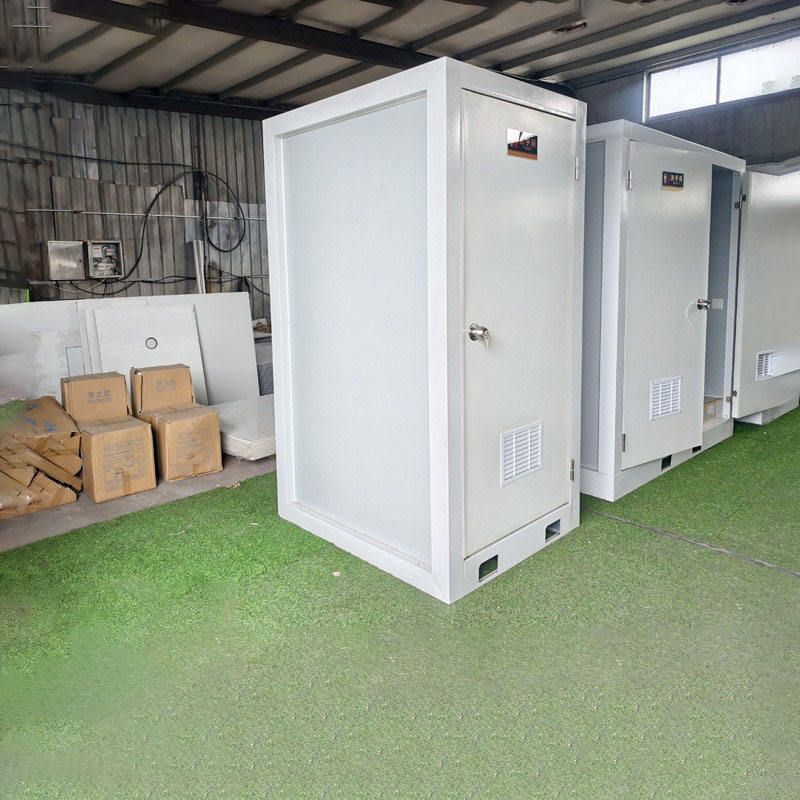
Chemical treatment is one of the more common methods. It involves adding chemical agents to the waste, utilizing chemical reactions to decompose and eliminate organic matter, effectively controlling odors and promoting the decomposition process. The treated waste can be further processed through specialized equipment or directly flow into the sewage system for subsequent purification.
Anaerobic digestion is a biological treatment method that utilizes microorganisms to decompose waste in an oxygen-free environment, producing biogas and fertilizer. The biogas can be used as an energy source, while the fertilizer can be applied in agriculture or horticulture, achieving resource recycling. This method is particularly suitable for scenarios where the treatment facility is away for extended periods, such as field operations or remote areas.
Mechanical treatment involves using specialized equipment to separate solids and liquids, decompose, and disinfect the waste, reducing its impact on the environment and ensuring hygiene and safety. For example, some mobile toilets are equipped with shredding devices that can crush the waste and separate it from the liquid for easier subsequent treatment.
Regular suction and centralized treatment is another common method. Mobile toilets are typically equipped with sewage tanks or fecal storage tanks to collect waste, which is then regularly suctioned by professionals and transported to a waste treatment center for harmless treatment. During the treatment process, biological degradation, chemical, or physical methods may be employed to ultimately convert the waste into organic fertilizer or for resource recycling.
In addition, there are other treatment methods such as water-flush and non-water-flush suction types, circulating water-flush types, dry-packing types, foam-sealing types, and microbial types. Water-flush types collect waste through sewage tanks, while non-water-flush types directly receive waste in bottom sewage tanks. Circulating water-flush types accelerate fermentation and decomposition through anaerobic treatment devices and biological strains, reducing the frequency of suction. Dry-packing types use biodegradable plastic bags to collect waste, which is then collected and transported to a treatment plant. Foam-sealing types use foam generated by a foaming liquid mixture instead of water for flushing, conserving water resources. Microbial types use solid-liquid separation devices and biological strains to decompose waste, achieving a high degradation rate.



