
Mobile Toilet Waste Classification
Waste classification in mobile toilet scenarios needs to be designed by combining conventional classification principles with specific usage scenarios. Currently, there is no unified standard, but it can be achieved by configuring classification containers and signage systems.
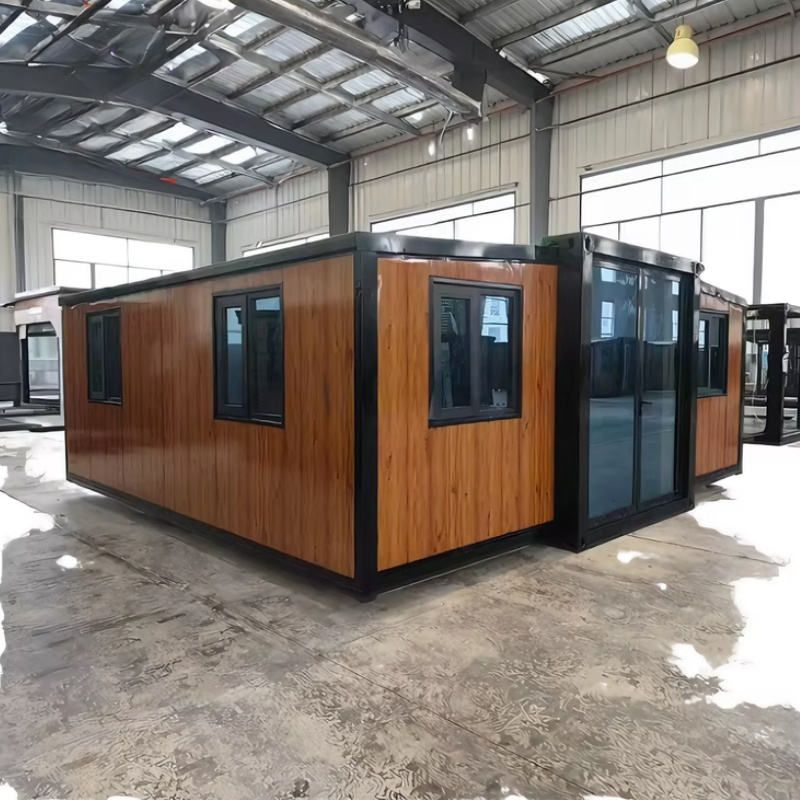
Mobile toilets are primarily used to address temporary excretion needs, and the core of waste classification in these toilets lies in handling other waste generated by users (such as tissues, packaging bags, beverage bottles, etc.). Since existing products (such as mobile toilets from Wuhan Longao Environmental Protection Technology and Henan Lintian Environmental Protection Technology) do not directly integrate waste classification functions, external design supplements are required. Here are specific implementation suggestions:
1. Classification Container Configuration
According to conventional waste classification principles, two types of basic containers can be set up around mobile toilets:
- Recyclables Container: Used to collect beverage bottles, cardboard boxes, metal cans, etc. It is recommended to use corrosion-resistant metals or high-density plastics for the container material, and the opening design should facilitate easy disposal while preventing rainwater from entering.
- Other Waste Container: Used to collect tissues, cigarette butts, contaminated packaging bags, etc. This type of waste has low water content and can be combined with dry waste for disposal. The container should be equipped with a sealed lid to reduce odor diffusion.
If the mobile toilet is located in a scenic area or park, a Hazardous Waste Container (such as for used batteries and light tubes) can be added, but it must be clearly labeled and cleaned regularly.
2. Signage System Design
Signage should be clear, intuitive, and in line with public cognitive habits:
- Color Differentiation: Adhere to the universal color scheme of "blue (recyclables) and black (other waste)" to avoid confusion.
- Graphic and Text Combination: Post illustrations of waste types (such as simple drawings of bottles and tissues) and text descriptions on the container surfaces, especially including prompts like "No excretion disposal."
- Multilingual Support: In international scenarios such as tourist attractions, add English or local language signage to enhance usability.
3. Scenario Adaptation Optimization
Different usage scenarios require adjustments to classification strategies:
- Urban Streets: Due to limited space, containers can be simplified to a "recyclables + other waste" dual-bin combination and fixed to the exterior wall of the mobile toilet or nearby supports.
- Scenic Trails: Considering the high volume of tourists and waste generation, container capacity can be expanded, and the frequency of patrol cleaning can be increased (e.g., once every 2 hours).
- Large-scale Events: When temporarily adding clusters of mobile toilets, classified waste stations can be concentrated by area, and dedicated personnel can be arranged to guide disposal.
4. Maintenance and Management
The effectiveness of classification depends on subsequent processing:
- Regular Cleaning: Depending on the frequency of use, clean at least 1-2 times a day to prevent waste overflow or mosquito breeding.
- Data Recording: Record the amount of various types of waste generated in the management backend to provide a basis for optimizing container configuration (e.g., increasing the number of blue bins when the proportion of recyclables is high).
Through the above design, waste classification in mobile toilet scenarios can achieve full-chain coverage of "source classification + process management + terminal disposal," thereby improving public hygiene levels and promoting resource recycling.



