
Warmth Function of Mobile Toilets
The warmth function of mobile toilets is mainly achieved through material insulation, water body heating, pipeline insulation, radiator installation, heat recycling, and other warmth-preserving measures.
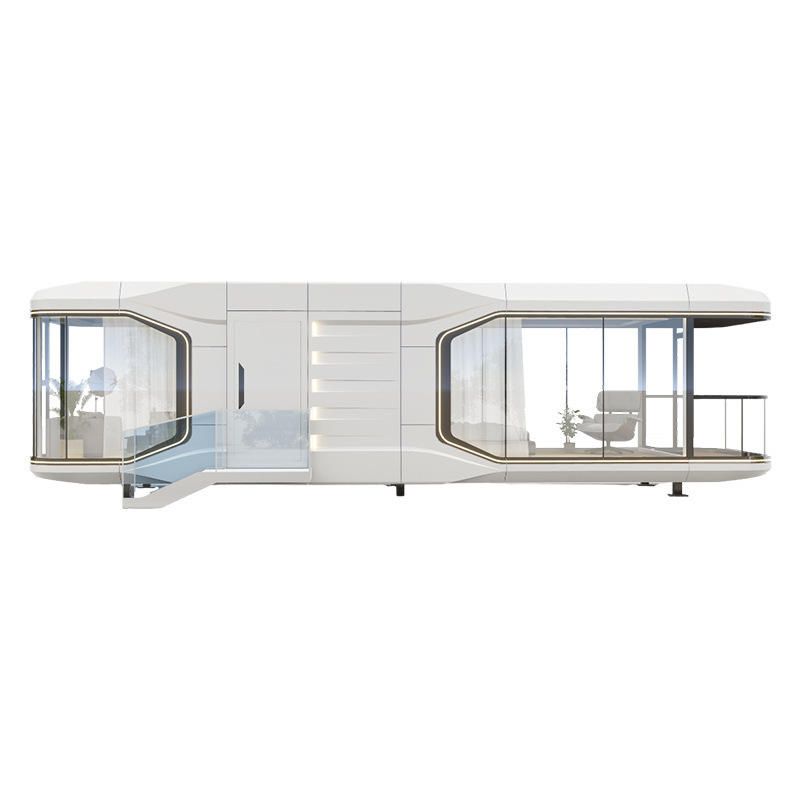
Material insulation is the foundation of warmth preservation in mobile toilets. The outer layer is made of metal carved panels, while the interior is a composite of fireproof boards and thermal insulation materials, with some also incorporating rock wool insulation layers. For example, mobile toilets in Hulunbuir adopt a 'sandwich-layer' wall structure, which is a composite design consisting of an outer layer of metal carved panels, a middle layer of 50mm rock wool insulation, and an inner layer of fireproof boards. In actual tests, at -35℃, the temperature difference between the interior and exterior can reach over 25℃, and they can function normally in environments as cold as -40℃ to -50℃.
In terms of water body heating, the 50 - 60℃ gas produced by the aeration fan during operation can be used to heat aerobic water bodies. This method not only reduces energy consumption but also avoids environmental pollution, ensuring a normal water temperature in cold environments and facilitating the stable operation of relevant systems within the mobile toilet.
Pipeline insulation is crucial. An electric tracing heating system is used, composed of heating cables, insulation materials, and temperature sensors. This system can automatically adjust the heating state according to real-time temperatures, activating automatically when the outdoor temperature drops below 20℃ to prevent pipeline freezing. In Hulunbuir's mobile toilets, the drainage pipes are wrapped with self-regulating heating cables, and the temperature sensors control the temperature intelligently (within the range of 5 - 15℃). The water trap of the squat toilet adopts dual protection with 8W/M heating cables and expanded perlite filling, and the power supply system is equipped with a current overlimit alarm device that automatically cuts off the power in case of a fault.
Radiator installation is also a common warmth-preserving method. Some mobile toilets are equipped with radiators, which can ensure that the water pipes do not freeze at temperatures as low as minus ten or even twenty degrees Celsius, providing stable heat for the interior of the mobile toilet.
Regarding heat recycling, the hot air generated by the aeration fan of the treatment equipment directly heats the aerobic water body, and the exhaust system is equipped with an anti-backflow device to reduce heat loss and improve energy utilization efficiency.
Other warmth-preserving measures include mobile toilets in places like Hailar Airport being additionally equipped with air conditioners or municipal heating interfaces to ensure a constant indoor temperature, further enhancing the comfort of using mobile toilets in cold environments.



