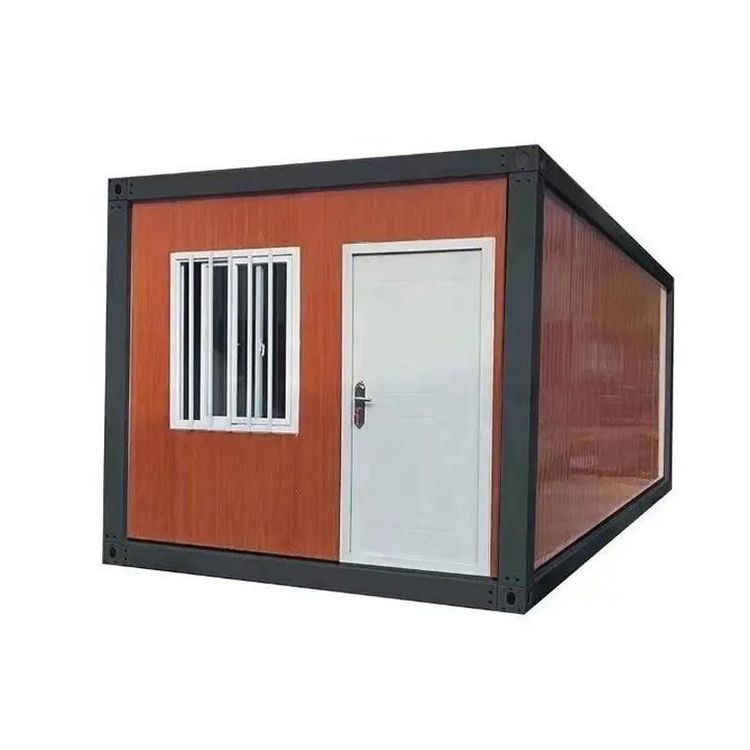
Mobile Toilet Ventilation and Exhaust
The ventilation and exhaust of mobile toilets require comprehensive design from multiple aspects, including exhaust vent location, ventilation ducts, fan selection, ventilation structure, materials, odor treatment, and daily maintenance, to ensure air circulation and control odors.

Exhaust Vent Location Selection
The exhaust vent should be located away from areas where people are active to prevent direct diffusion of odors. It is recommended to install it on the top of the toilet or high on the side wall, at a height of more than 1.8 meters above the ground to prevent accidental contact by pedestrians, while avoiding areas exposed to direct sunlight and heavy rain to prevent equipment damage. For modular structures, exhaust vents can be centralized in an independent ventilation module and connected to each compartment via ducts.Ventilation Duct Layout Design
The duct layout should follow the principle of being "short, straight, and smooth" to reduce bends and the number of connections, thereby minimizing air resistance. For modular toilets, the exhaust fan can be installed in an independent module, and each compartment's exhaust port can be connected via PVC ducts with a diameter of no less than 10 centimeters to ensure smooth air circulation. The connections between ducts should be sealed to prevent air leakage.Fan Selection and Installation Specifications
For a single toilet compartment, an axial or centrifugal fan with an air volume of 15-20 cubic meters per minute is typically selected, with power matched to the toilet's volume. During installation, maintenance space should be reserved, the fan body should be leveled to reduce vibration and noise, and rainproof louvers and insect screens should be installed to extend equipment life. The fan should be positioned away from the air intake to prevent airflow short-circuiting.Ventilation Structure Design
A combination of natural and mechanical ventilation should be used: a roof-mounted operable skylight can be opened on sunny days to introduce fresh air; side windows should be fitted with screens for ventilation and insect prevention. Mechanical ventilation uses fans to force air exhaust, creating a negative pressure environment to accelerate air movement.Material Selection Affects Air Permeability
For walls and roofs, lightweight materials such as color-coated steel plates and PVC panels are preferred, as they have smooth surfaces that do not easily adsorb odors. Some toilets use honeycomb aluminum panels for ventilation, which maintain structural strength while improving air permeability and reducing odor retention.Combining Odor Treatment with Ventilation
Ventilation ducts should be connected to an odor removal system, using activated carbon adsorption or deodorizing liquid spray to further purify the air. Inside the toilet, air fresheners or timed exhaust fans can be installed, combined with an "upper supply, lower exhaust" airflow pattern (fresh air supplied from the top and stale air exhausted from the bottom) to accelerate odor removal.Daily Maintenance Ensures Ventilation Effectiveness
Regularly clean dust from skylights, side windows, and exhaust vent filters to ensure smooth operation; check the operating status of exhaust fans and fans, and replace aging components promptly; clean dust from ducts to prevent blockages that affect ventilation efficiency.