Mobile Toilet Vehicle Video
Currently, there is no direct content available for 'Mobile Toilet Vehicle Video', but we can provide a科普 (popular science) introduction focusing on the functions, application scenarios, and technical features of mobile toilet vehicles.
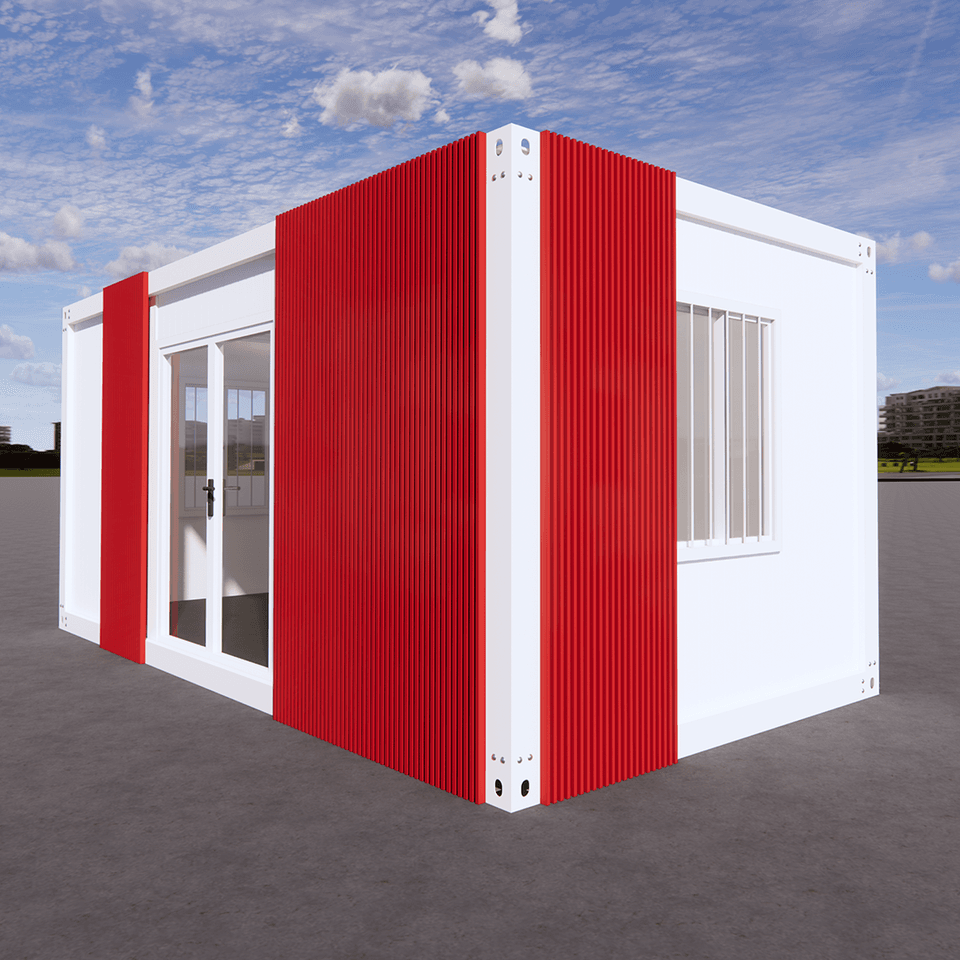
A mobile toilet vehicle is an integrated, movable public sanitation facility that combines vehicle transportation with toilet functions, primarily designed to address the need for restrooms in temporary or remote areas without fixed toilet facilities. Its core design revolves around 'mobility' and 'functionality', typically consisting of a vehicle chassis, toilet cabin, sewage treatment system, and auxiliary equipment.
1. Core Functions and Technical Features The toilet cabin of a mobile toilet vehicle usually adopts a modular design, equipped with independent squatting or sitting toilets, sinks, ventilation systems, and lighting. Some high-end models also include air conditioning and deodorization devices to enhance user comfort. The sewage treatment system is a key technology, divided into two types: 'direct discharge' and 'circulating'. The direct discharge type requires connection to an external sewage pipeline and is suitable for venues with infrastructure. The circulating type, on the other hand, converts sewage into harmless substances through biological degradation or chemical treatment, achieving zero discharge, and is ideal for wilderness or areas without sewage facilities. Additionally, the vehicle chassis is often a light truck or a specialized chassis to ensure driving stability and passability.
2. Typical Application Scenarios Mobile toilet vehicles are widely used in large-scale events (such as music festivals, sports events), disaster relief, construction sites, tourist attractions, and temporary needs in remote areas. For example, after a natural disaster, traditional toilets may be destroyed, and mobile toilet vehicles can be quickly deployed to the disaster area to provide sanitation for rescue workers and affected people. During peak tourist seasons, scenic spots can alleviate the pressure on visitor restrooms by adding mobile toilet vehicles, avoiding the long construction period and high cost of fixed toilets.
3. Advantages and Limitations In terms of advantages, mobile toilet vehicles are 'ready-to-use and flexibly deployable', capable of quickly responding to emergencies. Their enclosed design effectively isolates odors and reduces environmental pollution. Some models also support solar power or rainwater collection, further reducing operating costs. The limitations lie in the high initial investment, the need for regular maintenance of the sewage treatment system, and potential impacts on user experience under extreme weather conditions (such as cabin shaking caused by strong winds).
For information on specific models or operational videos, it is recommended to search through the official websites of professional sanitation equipment manufacturers, industry exhibition video platforms, or government procurement websites.