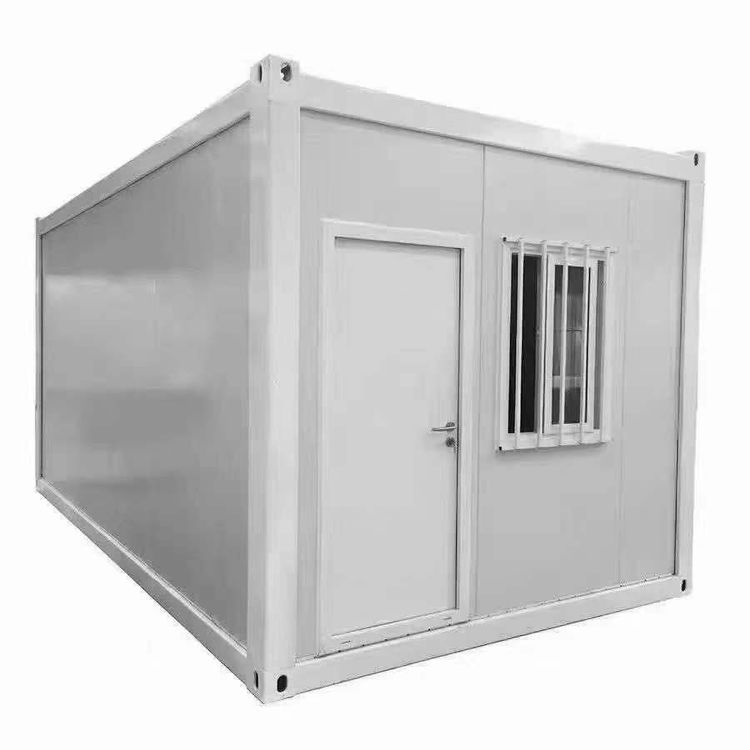
Sketch of Mobile Toilet Vehicle
The sketch of a mobile toilet vehicle can be created by combining the vehicle chassis with toilet functional components, with the core steps divided into three parts: drawing the basic framework, adding functional structures, and supplementing detailed decorations. Here are the specific design ideas and drawing methods:

1. Drawing the Basic Vehicle Framework
The main body of the mobile toilet vehicle requires constructing the vehicle chassis structure first, which can refer to the simplified shapes of cars or garbage trucks. Use a flat trapezoid or rectangle to outline the vehicle body, reserving space for the wheels at the bottom. It is recommended to control the height of the vehicle body to be between 1/3 and 1/2 of the overall height to avoid disproportionate ratios. For example, first draw a horizontal long line as the ground, and then draw a slightly narrower flat trapezoid above it as the carriage, with the bottom of the trapezoid parallel to the ground line to form the basic shape of the vehicle.
Wheel design should conform to vehicle proportions: A small mobile toilet vehicle can have two circular wheels, with a diameter of about 1/4 of the vehicle height; if designed as a large vehicle (such as a trailer-type toilet vehicle), the number of wheels can be increased or their size adjusted. The wheel positions should align with the bottom of the vehicle body to ensure visual balance.
2. Adding Toilet Functional Structures
The core functional components of the toilet include the toilet bowl, water container (such as a water tank), and sewage pipes, which need to be combined with the vehicle framework. The main body of the toilet bowl can be simplified as a combination of a 'seat ring + water tank': draw an oval or square seat ring above the middle of the vehicle body, and connect a rectangular water tank below it, with the height of the water tank being about 1/2 of the seat ring. If designed as a squat toilet, the seat ring can be replaced with a rectangular pedal, and the water tank placed behind the pedal.
The water container and sewage pipes should reflect functionality: A short line can be drawn on the top of the water tank to indicate the water inlet, and a curved line connected at the bottom to represent the sewage pipe, with the end of the pipe extending outside the vehicle body (which can be simplified as a small triangle or arrow). If space allows, a small rectangle can be added to the side of the vehicle body to represent a storage cabinet or control panel.
3. Supplementing Detailed Decorations
Windows and doors enhance vehicle recognition: Draw a small rectangle at the front of the vehicle body as a window, and a diagonal line at the back to indicate the direction of the door opening. The positions of the windows and doors should conform to the structural logic of the vehicle, for example, the windows are located in the driver's cab area, and the door is near the toilet entrance.
Decorative lines enhance the richness of the picture: Draw a horizontal line on the side of the vehicle body to separate the upper and lower parts, or add simple patterns (such as wavy lines, dotted patterns) to simulate vehicle painting. If designed in a cartoon style, small circles can be added to the wheels to represent wheel hubs, or a chimney or exhaust port can be drawn on the top of the vehicle body (even though actual mobile toilet vehicles do not require this structure).
Key considerations: When drawing, keep the lines simple and smooth, avoiding excessive complexity; the proportions of functional components should be coordinated, for example, the width of the toilet seat ring should not exceed half of the vehicle body width; if it is a children's sketch, details such as sewage pipes can be omitted, focusing on highlighting the combination of the vehicle and the toilet.