
Full Reveal of Mobile Toilet Vehicle Configuration
The configuration of mobile toilet vehicles covers multiple aspects such as chassis power, carriage structure, sanitary facilities, water supply and drainage, ventilation and lighting, environmental adaptability, and intelligence. Details are as follows:
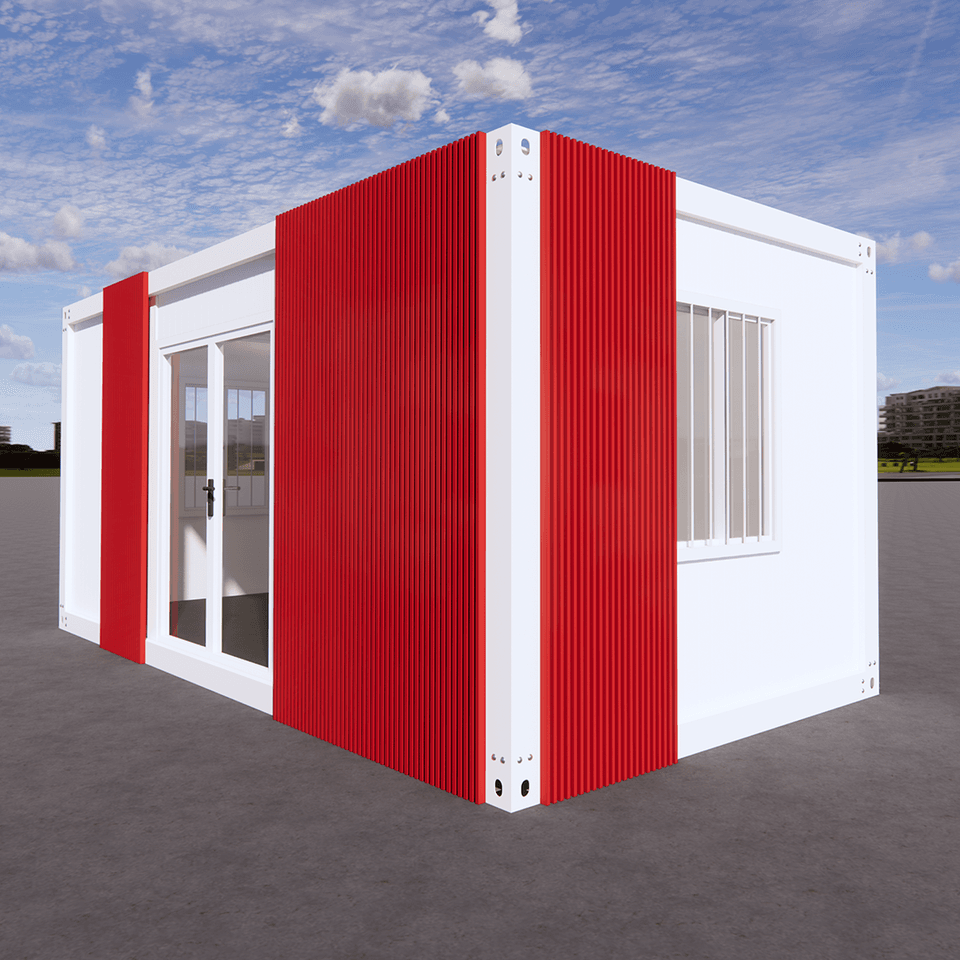
The chassis and power system are the foundation of mobile toilet vehicles. They are typically built on specialized automotive chassis, such as the Sinotruk Howo 4×2 National VI chassis, or adopt a 4×2 drive configuration with an axle base ranging from 5000mm to 5600mm. The engine power ranges from 251kW to 257kW, meeting the power demands of various scenarios. Some models are also equipped with silent generators that can be directly fueled from the chassis fuel tank, ensuring long-term stable operation.
In terms of carriage structure and materials, the carriage is mostly made of high-quality carbon steel plates, with anti-rust and anti-fatigue properties that meet national standards. Some models use metal carved panels up to eight centimeters thick, which offer thermal insulation and are resistant to rust. The walls adopt an overall frame structure filled with polyurethane on a skeleton, and the carriage roof is covered with anti-slip patterned aluminum plates. The door structure uses anodized aluminum profiles, with pre-embedded parts for all openings and load-bearing areas to meet the load-bearing requirements of the carriage.
The sanitary facilities are richly configured. The carriage is equipped with multiple independent toilet compartments, including squat toilets and sit toilets. Most squat toilets are vacuum suction types made of 316 stainless steel. Additionally, there are washbasins, independent faucets, half-length mirrors, hand sanitizers, paper towel boxes, and other auxiliary facilities. Some models have separate areas for men and women and are equipped with urinals to meet the needs of different groups of people.
The water supply and drainage system is crucial. The vehicle is equipped with a clean water tank and a gray water tank. The capacity of the clean water tank ranges from 800L to 2000L, while the gray water tank has a capacity of, for example, 500L, meeting the needs of tasks of different durations. The drainage system avoids secondary pollution through a sealed tank design, and some models support pumping and drainage functions, facilitating connection to municipal sewage networks.
The ventilation and lighting system ensures a good user experience. Electric exhaust fans are installed in the carriage, with each toilet compartment having an independent exhaust fan to ensure air circulation. At the same time, independent lighting fixtures are provided to meet nighttime usage needs.
In terms of environmental adaptability and additional functions, some models are equipped with anti-freezing heating devices to ensure normal operation in winter. The number of toilet compartments, water tank capacities, and additional functions such as air conditioning systems and dedicated positions for the disabled can also be customized according to needs. The exterior color of the vehicle can also be selected in a variety of options to match different event themes.
Intelligence and energy-saving design are development trends. Some new models incorporate IoT modules that can monitor water levels, power levels, and equipment status in real-time. The application of solar-assisted power supply systems reduces reliance on traditional energy sources.
You may also like

Portable Toilet Color Steel Custom & OEM: Design & Bulk Production Guide
Read More
Portable Toilet Color Steel: Top Options & Considerations
Read More
Portable Toilet Color Steel Explained: How to Choose the Right One
Read More