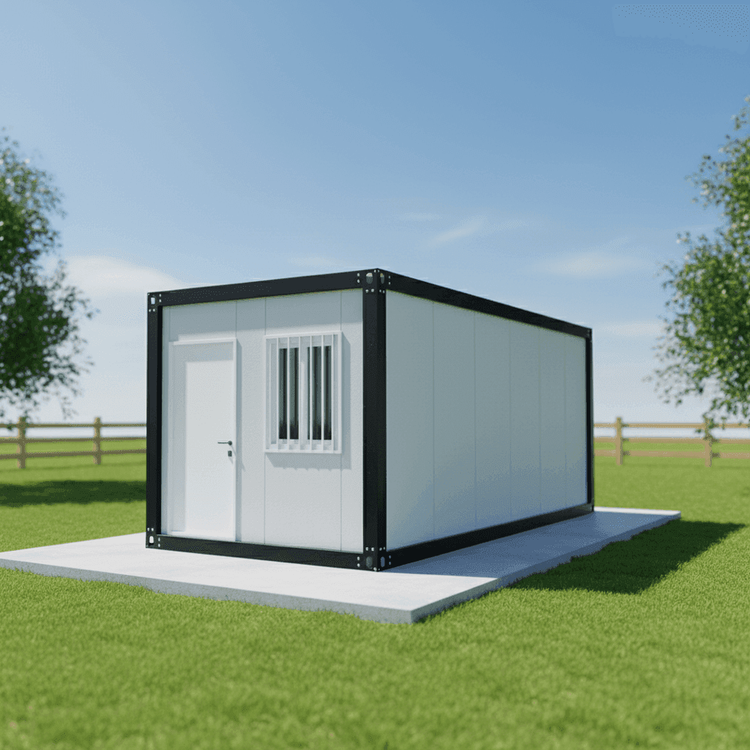
Values of Mobile Toilets
The values of mobile toilets are mainly reflected in three aspects: environmental protection, practicality, and social value. The details are as follows:

Environmental Protection Value: Mobile toilets significantly reduce their impact on the environment through technological innovation and resource recycling. Their core environmental protection technologies include biodegradation systems, which can convert excrement into harmless substances. Some designs can even transform the treated products into organic fertilizers, achieving resource reuse. In terms of water conservation, low-flow flushing systems or dry treatment technologies reduce water consumption per use by more than 50% compared to traditional toilets, with some models not requiring water at all. For material selection, the outer shells are made from recycled plastics or reclaimed metals, reducing the need for raw material extraction. The leasing model enables equipment reuse, avoiding construction waste from one-time installations and further reducing the carbon footprint.
Practical Value: The design of mobile toilets is user-oriented, balancing functionality and convenience. The interior is standardized, typically including a toilet, sink, ventilation system, and lighting. Some high-end models are also equipped with air conditioning or barrier-free facilities. Modular construction is a core advantage, allowing individual toilet units to be quickly assembled or disassembled to meet different scenario requirements—such as music festivals, campsites, or temporary markets—and can be deployed within hours. Their mobility is particularly outstanding, enabling position adjustments via trailers or forklifts without the need for fixed infrastructure support. The installation process does not require complex construction, significantly shortening the construction cycle.
Social Value: Mobile toilets promote social equity and efficiency by optimizing the allocation of public sanitation resources. In areas with a shortage of public toilets, they can quickly fill service gaps, providing equal access opportunities for special groups such as the elderly and disabled, enhancing social inclusivity. During large-scale events, a decentralized layout can effectively divert crowds, avoiding queues in front of traditional toilets and reducing the ecological disturbance caused by crowd gatherings (such as grass trampling). As a supplement to existing infrastructure, they can also divert usage pressure during peak times, maintaining basic sanitation conditions and public order, indirectly reducing the risk of disease transmission caused by sanitation issues and saving medical and social management costs.
You may also like
Portable Toilet Movable Rental in 2026: Buying Guide & Recommendations
Read More
House Conversion Explained: How to Choose the Right One
Read More
Portable Toilet Rental For Sale in 2026: Buying Guide & Recommendations
Read More