Mobile Toilet Vacuum Pump
The mobile toilet vacuum pump is a core component of the vacuum toilet system, enabling efficient sewage conveyance and water-saving treatment through vacuum negative pressure principles. Here is a detailed analysis:

1. Function and Principle
The vacuum pump creates an air pressure differential within the pipeline, using air as the medium to draw sewage from the toilet into the pipeline system, ultimately transporting it to a central collection and treatment unit. Its key advantage lies in requiring only 0.5-1.5 liters of water per discharge, saving approximately 80% of water compared to traditional toilets. This process relies on the continuous action of vacuum negative pressure to ensure rapid and residue-free transfer of sewage.
2. Application Scenarios
- Water-scarce environments: High-speed trains, airplanes, cruise ships, and other scenarios sensitive to water resources, as well as rural areas with limited water supply.
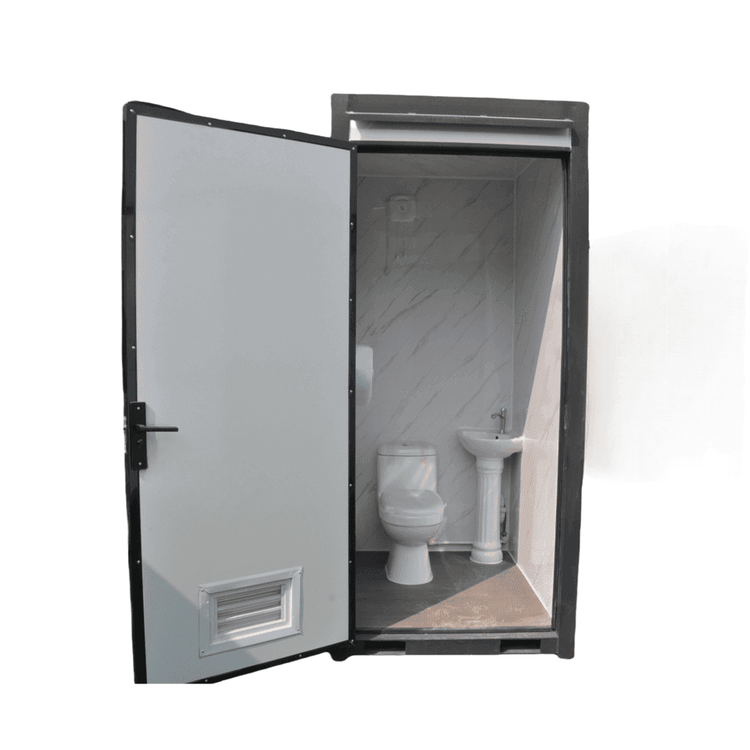
- Temporary venues: Short-term events like music festivals and sports competitions, where flexible pipeline installation and ease of setup are advantageous.
- Ecologically sensitive areas: Such as nature reserves, where small-diameter pipelines (75-110 mm) minimize terrain disruption, with vertical lifting heights up to 5 meters and horizontal conveyance distances up to 500 meters.
3. System Composition
- Vacuum toilet: Equipped with an automatic sensor valve that opens after the user leaves, preventing sewage residue.
- Vacuum pipeline network: Designed with small diameters to reduce clogging risks and material costs.
- Central collection and treatment unit: Includes a vacuum pump (to maintain pipeline negative pressure) and a sewage storage tank (for temporary sewage storage). Some systems integrate sewage treatment functions for resource recycling.
4. Product Types and Prices
- Small vacuum pumps: Starting at 2999 yuan per unit, customizable for household or small public venue use.
- Toilet-emptying vacuum pumps: Prices range widely (from 520 yuan per unit to tens of thousands of yuan per vehicle), depending on brand (e.g., Xiangnongda, Jiehang), specifications, and features (e.g., emission standards like China IV or China VI).
5. Advantages and Characteristics
- Water and energy efficiency: Lower overall energy consumption than traditional systems, suitable for scenarios sensitive to long-term operational costs.
- Strong environmental adaptability: Pipelines can be laid along existing infrastructure, reducing construction complexity.
- Easy maintenance: Small-diameter pipelines are less prone to clogging, though regular airtightness checks are required. Maintenance frequency is lower than traditional toilets.
6. Market Supply and Services
Mainstream brands offer a diverse range of products, with suppliers typically committing to services such as 48-hour shipping, compensation for shortages, and compensation for damage. Some support online transactions to meet rapid deployment needs.
Through technological innovation, mobile toilet vacuum pumps achieve a balance between water conservation, environmental protection, and practicality, becoming a key direction for upgrading modern sanitation facilities.