
Mobile Toilet User Experience
The user experience of mobile toilets has significantly improved in recent years through technological innovation, primarily reflected in aspects such as hygiene, environmental protection, intelligence, comfort, and safety.
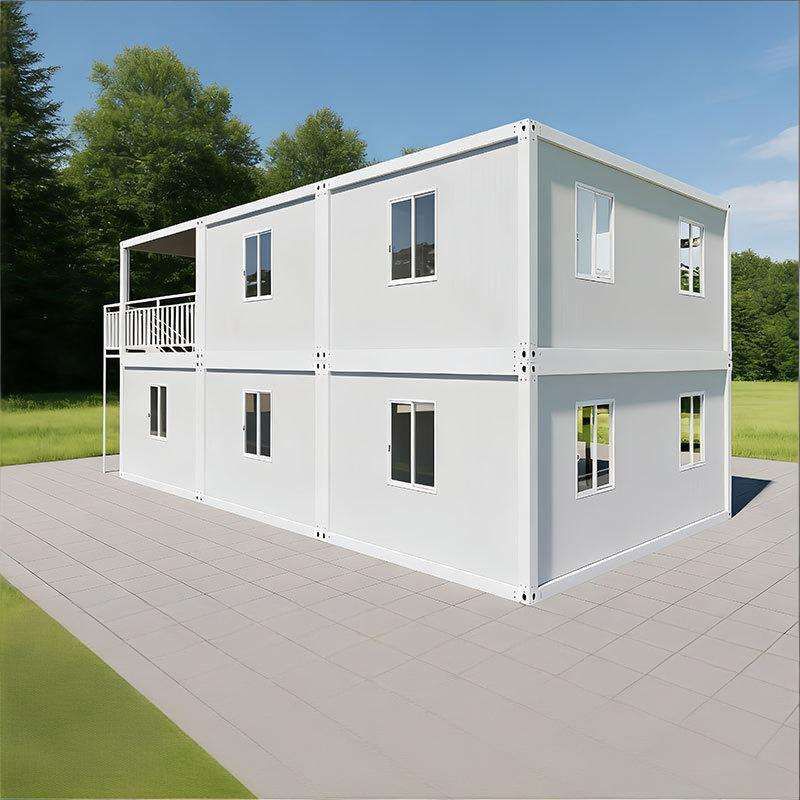
1. Upgrade in Hygiene and Odor Control
Traditional mobile toilets have often been criticized for odor and hygiene issues. However, new prefabricated public toilets utilize a 'three-stage microbial composite bacteria' collaborative treatment system or automatic deodorization technology to suppress odor generation at the source. For example, mobile toilets in Chengdu's Qingcheng Mountain scenic area and the Yuzixi scenic area on the western Sichuan plateau have achieved odorless and clean conditions, with non-slip floors and spacious interiors that maintain high cleanliness standards even under high foot traffic.
2. Breakthrough in Waterless Flushing and Eco-Friendly Design
New mobile toilets employ microbial degradation technology, eliminating the need for external water supply and drainage networks. Waste is converted into organic fertilizer on-site, addressing issues of limited site selection and high removal costs associated with traditional toilets. A single prefabricated public toilet can save thousands of tons of water annually, making it particularly suitable for water-scarce regions or remote scenic areas, with significant environmental benefits.
3. Intelligent Management for Enhanced Experience
Through IoT, AI, and 5G communication technologies, mobile toilets achieve real-time monitoring and dynamic optimization. The system can monitor data such as foot traffic, energy consumption, and microbial activity. AI algorithms predict microbial activity and adjust temperature control strategies to ensure stable operation in extreme climates, significantly reducing operational and maintenance costs.
4. Comfort and Functional Expansion
Some mobile toilets are equipped with air conditioning to improve the user experience in high-temperature environments. Ultra-high-definition screens, touchscreens, or AI cultural tourism models are embedded inside the toilets, providing information on scenic spots, hotels, and dining options. They even push merchant coupons through apps, creating an ecological loop of 'toilet use + consumption + low carbon,' extending tourist stay times and boosting foot traffic for surrounding businesses.
5. Enhanced Safety and Practicality
Dual-unit mobile toilets ensure electrical safety by installing circuit breakers, balance internal odors with louvers and exhaust fans, and feature easily adjustable flush tanks, further improving the basic user experience.
Industry Trends: With technological advancements, mobile toilets are evolving from single-function spaces to urban service nodes. The integration of IoT, AI, and biodegradation technologies will become mainstream, with significant potential for expansion in extreme regions such as high-altitude and high-latitude areas in the future.



