
Mobile Toilet Usage Tips
The usage tips for mobile toilets mainly include five aspects: assembly and installation, scenario adaptation, functional adjustment, maintenance, and portable toilet operation.
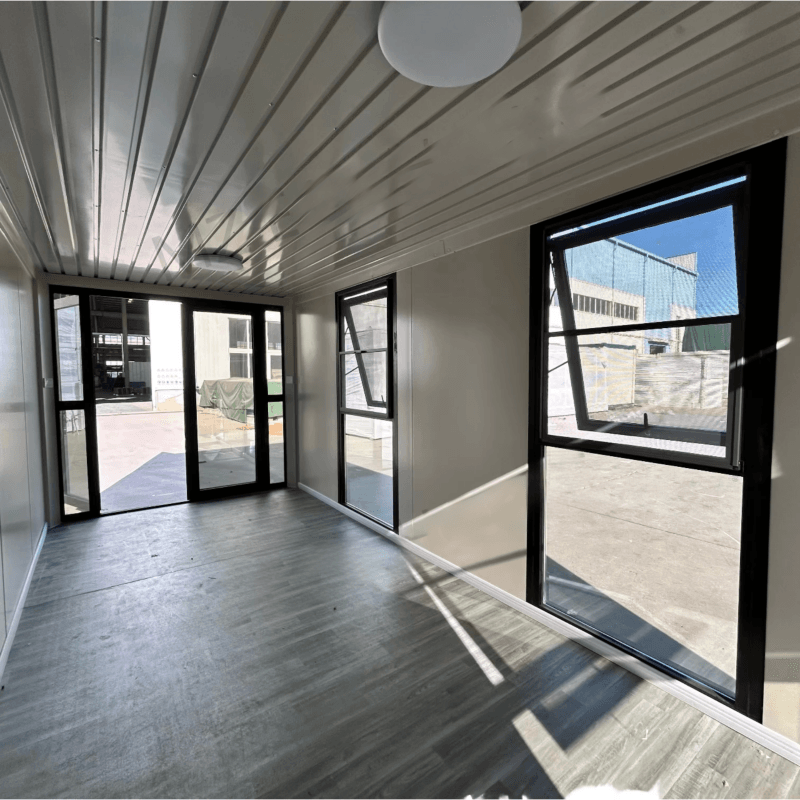
Assembly and Installation: Mobile toilets often adopt a modular design. During assembly, it is essential to strictly follow the instructions in the order provided. First, connect the metal frame to ensure structural stability. Next, install the color-steel plate enclosure structure, paying special attention to checking the sealing of the outer edge-wrapped color-steel plate to prevent rainwater infiltration and internal moisture. Finally, secure the doors and windows and test the tightness of the metal locks. For example, the frame is usually made of high-strength metal materials, and the enclosure structure is primarily composed of color-steel plates with foam interlayers to enhance thermal insulation performance. However, care should be taken to avoid scratching the surface with sharp objects.
Scenario Adaptation: Mobile toilets are suitable for temporary scenarios such as outdoor activities, construction sites, and emergency rescue operations. They should be placed on flat ground to ensure stability. Waste disposal can be achieved through external septic tanks or sewage pipes. Some models adopt a 1100*1100 floor plan size and a 2000mm height design, balancing internal usable space with external transportation convenience. For example, in remote areas without sewage pipes, independent septic tanks can be installed and cleaned regularly.
Functional Module Adjustment: Functional modules can be flexibly added or removed according to actual needs. For example, adding a sink can improve hygiene conditions, and installing storage cabinets facilitates the storage of cleaning supplies. Some models are shipped in pieces and can be quickly assembled upon arrival at the destination, adapting to different environmental requirements. When adjusting modules, it is crucial to ensure the sealing of connection parts to avoid usage issues caused by structural looseness.
Maintenance: During daily use, avoid scratching the surface of the color-steel plate with sharp objects and regularly clean the plastic windows to maintain light transmittance. If exposed to rain and snow for extended periods, regularly check the sealing of the edge-wrapped color-steel plate to prevent moisture from penetrating the foam interlayer and reducing thermal insulation performance. For example, inspect the door and window seals once every quarter and replace them promptly if aging is detected.
Portable Toilet Operation: For models equipped with portable toilets, secure the buckles during use and fill with water as needed to achieve flushing effects. Waste is collected in a black water tank, and care should be taken to adjust the tightness of the buckles during operation to prevent leakage. For example, close the valve before removing the black water tank to prevent residual liquid from spilling; use a special degrading agent during cleaning to reduce odors.



