
Back to blog
Article
Mobile Toilet Usage Regulations
Admin September 24, 2026
The usage regulations for mobile toilets vary depending on the scenario, mainly including construction sites, public places, and public buildings. The specific regulations are as follows:
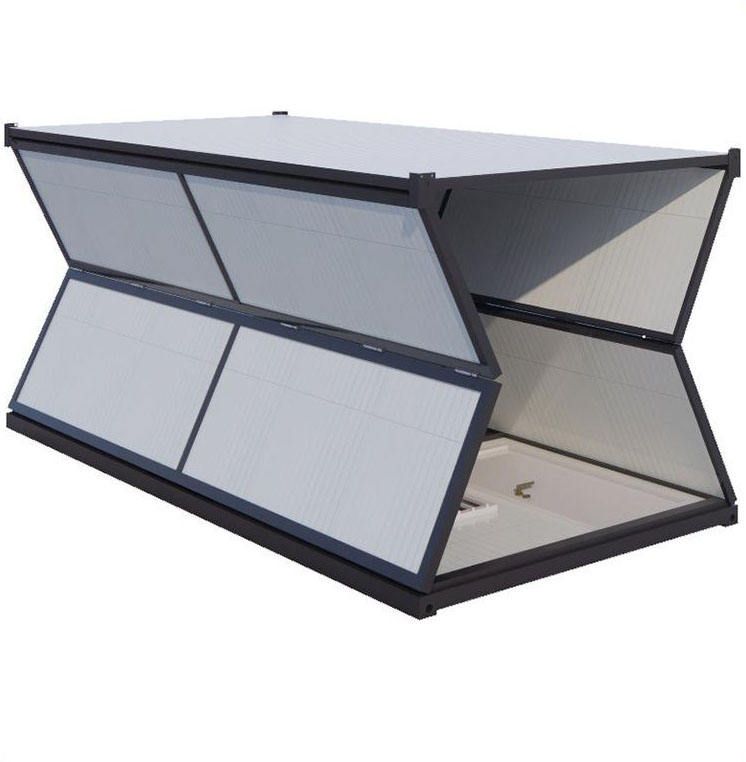
Construction Site Scenario
- Pre-rental Preparation: Construction units should confirm the scale of the construction site, construction period, and number of personnel in advance, and select appropriate toilet types. The area of a single toilet stall should not be less than 1.2 square meters, and basic facilities such as sinks, toilet paper, and hand soap should be provided.
- Installation and Placement: Mobile toilets should be placed away from construction dust areas, water source protection zones, and living areas, maintaining a safe distance of more than 5 meters from canteens, dormitories, and other areas. When placing them, ensure the ground is level, the toilet body is stable, and set up clear identification signs.
- Daily Use and Management: Assign dedicated personnel for daily cleaning, disinfecting twice a day (morning and evening), and promptly removing waste. During peak periods, increase inspection frequencies and regularly check toilet equipment such as circuits and flushing systems.
- Response to Special Weather Conditions: During the rainy season or extreme weather, strengthen inspections of anti-slip and drainage facilities; in winter, take anti-freezing measures. At the same time, it is prohibited to stack debris or conduct open-flame operations inside the toilet.
- Compliant Use and Safety: Construction personnel should use the toilets in a civilized manner and are prohibited from disposing of construction waste or flammable and explosive materials. If equipment fails, contact the rental company for repairs and do not dismantle or modify it without authorization.
Public Place Scenario (e.g., Portable Public Toilets)
- Setting Requirements: In areas with high foot traffic, insufficient public toilets, and difficulty in constructing independent public toilets, municipal, county, and autonomous county urban and rural appearance and environmental sanitation administrative departments should organize the installation of portable public toilets to meet public needs.
- Construction Standards: Newly built or renovated independent public toilets should comply with construction standards. For example, commercial and tourist areas should meet at least Class I standards; main and secondary arterial roads in urban areas should meet at least Class II standards; and other areas should meet at least Class III standards.
Public Building Scenario
- Accessible Toilet Requirements: Each floor of a public building should have at least one public restroom that meets accessibility requirements, or an independent accessible toilet should be provided nearby. Accessible toilets should comply with regulations regarding area, facilities, and door opening methods.



