Introduction to the Usage of Mobile Toilets
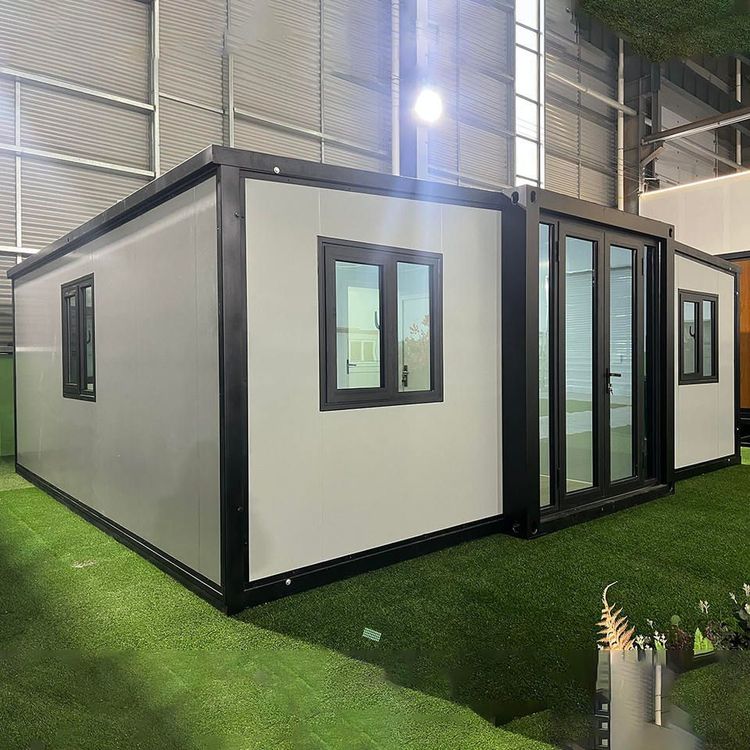
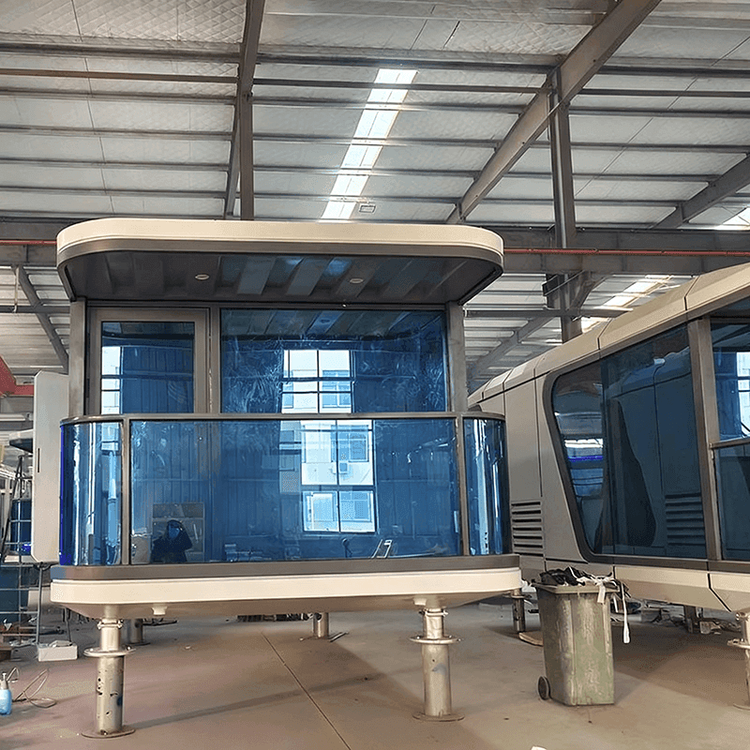
Mobile toilets are sanitary facilities that can be moved as a whole and are suitable for a variety of fixed or temporary locations. They have diverse structures and flexible functions, meeting the needs of different scenarios.

Applicable Scenarios
Mobile toilets are suitable for stations, docks, tourist attractions, villa areas, newly built residential communities, large construction sites, squares, densely populated public places, and bustling commercial streets. In these places, either due to limited space or the need for temporary activities, traditional fixed toilets are difficult to meet usage requirements. Mobile toilets, however, can be quickly deployed and their positions flexibly adjusted, effectively solving the problem of toilet access.
Structural Composition
Generally, they are composed of fecal sewage storage tanks (or disposal devices), floor slabs, sanitary ware, walls, washing equipment, water tanks, roofs, and mobile devices. Different types vary in structure. For example, some small mobile toilets are about 1.1 meters in length and width and 2.3 meters in height, equipped with basic facilities such as light bulb sockets, ventilation fans, air outlets, and flush tanks to meet basic usage needs.
Classification Methods
- By structural form: They are divided into single-structure mobile toilets and composite-structure mobile toilets. Single-structure toilets are relatively simple and suitable for places with limited space or small temporary needs. Composite-structure toilets are more complex and have more comprehensive functions, suitable for places where multiple people use them simultaneously or have high sanitary requirements.
- By mobility method: There are lifting and handling mobile toilets, and powered and towed mobile toilets. Lifting and handling types are suitable for short-distance movement or when the site conditions allow manual handling. Powered and towed types can be pulled by vehicles for long-distance rapid movement, suitable for large-scale events or construction sites that require frequent position adjustments.
- By sewage treatment method: They are divided into water-flush and waterless suction-type, circulating water-flush type, and dry-packing type mobile toilets. Water-flush types require connection to water supply and drainage pipes and have good sanitary conditions. Waterless suction types do not need to be connected to water pipes and treat feces through suction. Circulating water-flush types can achieve water resource recycling, with significant water-saving effects. Dry-packing types pack feces for easy cleaning and transportation.
Environmental Protection and Intelligent Technologies
Some mobile toilets adopt environmental protection technologies. For example, the waterless flushing scheme can operate without connection to water supply and drainage pipes, and the water-flushing scheme uses technologies such as rainwater collection and filtration systems and secondary toilet flushing with hand-washing water to achieve water-saving functions. In addition, some products are equipped with intelligent systems, such as bottom-level PLC data acquisition systems, 40-inch LED toilet stall monitors, and 4G remote monitoring modules, supporting remote control of lighting and flushing systems via mobile apps, improving usage convenience and management efficiency.