
How to Use Mobile Toilets in Rural Areas
The usage of mobile toilets in rural areas mainly includes installation and placement, internal facility usage, door latch usage, and mobility and transfer.
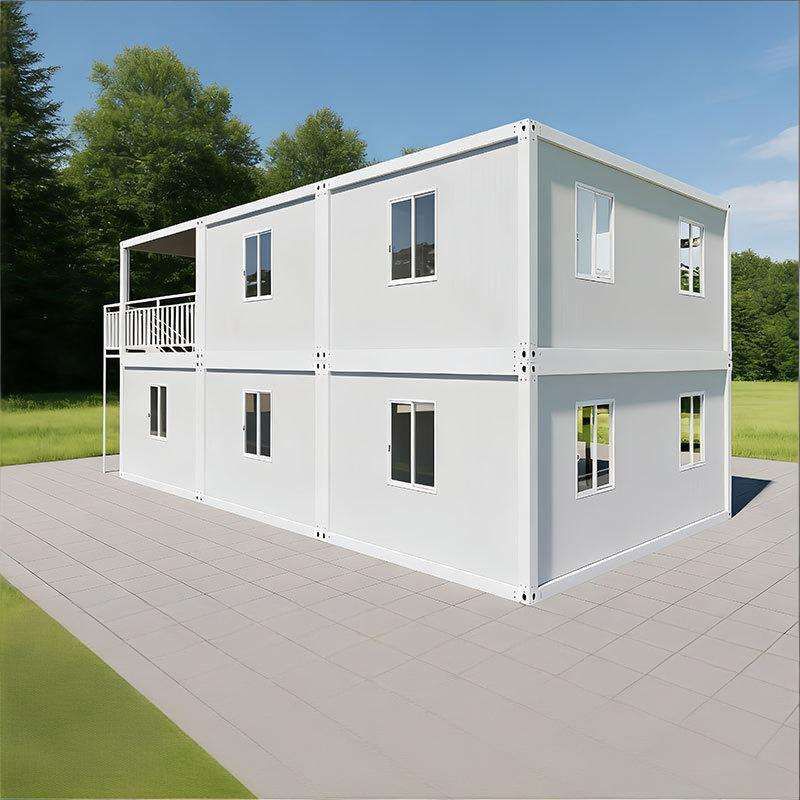
Installation and Placement: Mobile toilets in rural areas are characterized by their independent units, which do not rely on fixed sewer systems. They come with built-in water storage devices and sewage collection tanks, providing great convenience for use in rural areas. During installation, simply select a flat piece of land for placement without the need for complex foundation construction. After landing, connect to water and electricity to start using. This convenient installation method enables mobile toilets to quickly adapt to various environments in rural areas.
Internal Facility Usage: Upon entering a mobile toilet, users can use it just like a regular toilet. The toilet is equipped with a squat pan, and some mobile toilets even have an automatic flushing function. After using the toilet, stepping on a black ball will automatically flush the squat pan, making it both convenient and hygienic. Additionally, mobile toilets are equipped with a faucet for hand washing. In some mobile toilets, stepping on another black ball will make the faucet release water for users to wash their hands, meeting basic hygiene needs.
Door Latch Usage: The door of a mobile toilet is designed with a door latch, which is a very practical feature. When the user pulls the door latch closed, it indicates that someone is inside, preventing others from entering unknowingly and causing embarrassment. When the user pulls the door latch open, it indicates that no one is inside, facilitating use by others. Therefore, when using a mobile toilet, be sure to pull the door latch properly to ensure personal privacy and smooth usage.
Mobility and Transfer: Another significant advantage of mobile toilets is their ease of mobility and transfer. After use, the mobile toilet can be conveniently transferred to the next location as needed. Some mobile toilets come with wheels and can be directly towed for movement, while others require the use of cranes or forklifts for loading and unloading transportation. This flexibility enables mobile toilets to adapt to the constantly changing usage needs in rural areas.



