Mobile Toilets at WTT US Grand Slam: A Critical Shortage
At the WTT US Grand Slam event, there was a severe shortage of mobile toilets, with only two mobile toilet vehicles available across the entire venue, leading to players having to wait in line for up to 15 minutes to use the facilities. This situation has drawn widespread attention and criticism.

Specific Manifestations of the Mobile Toilet Shortage
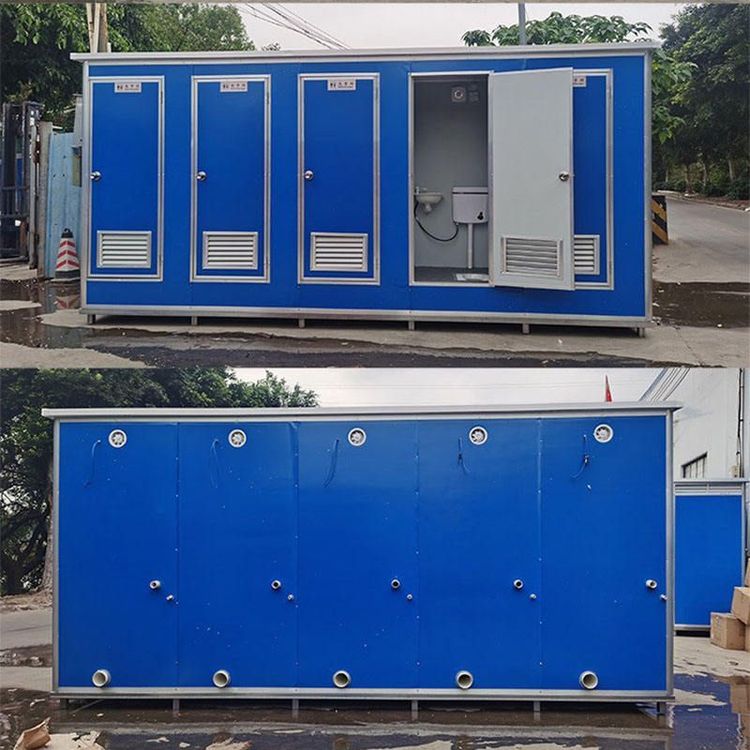
According to feedback from the event, the WTT US Grand Slam had only two mobile toilet vehicles set up, a configuration far below the standards of international large-scale sporting events. Typically, events of a similar scale would equip at least dozens of fixed or mobile toilet facilities based on factors such as the number of participants and venue layout to ensure the basic needs of players, staff, and spectators are met. The service capacity of two mobile toilet vehicles is extremely limited, especially during peak event times, when concentrated use by players results in waiting times of up to 15 minutes, seriously affecting the rhythm of the matches and the players' experience.
Impact on Players and the Event
- Conflict Between Physiological Needs and Competitive State: Table tennis matches demand a high level of concentration and energy allocation from players. Long waiting times to use the toilet can disrupt players' pre-match preparation routines and even cause physical discomfort, thereby affecting their performance in the matches.
- Questioning of Event Organization Professionalism: The shortage of mobile toilets exposes lapses in the event preparation stage, particularly in the area of logistical support. As top-tier events, the International Table Tennis Federation (ITTF) and the WTT series may suffer damage to their professional image due to such infrastructure issues.
- Correlation with Other Issues: Reference information indicates that the event has also been criticized for issues such as insufficient table elasticity and poor conditions in the training hall. The mobile toilet problem further highlights systemic deficiencies in the event organization's hardware facilities.
Industry Comparison and Improvement Directions
In comparison to other international events (such as the Olympics and World Table Tennis Championships), their mobile toilet configurations are typically designed based on 'zoning + peak traffic' and are equipped with contingency plans. The WTT US Grand Slam can draw on such experience and, in future events:
- Increase the Number of Mobile Toilets: Dynamically adjust the number of facilities based on the scale of participation to ensure no waiting is required during peak times;
- Optimize Layout and Guidance: Disperse the toilets around the venue to reduce the distance players need to travel;
- Introduce an Intelligent Management System: Monitor usage in real-time to dynamically allocate resources and avoid local congestion.
This incident serves as a wake-up call for the WTT series, highlighting that the improvement of infrastructure is key to enhancing the event's reputation and player satisfaction.