Follow-up on Mobile Toilet Transportation
The follow-up to mobile toilet transportation mainly includes key steps such as unloading and installation, safety inspections, and management optimization.

I. Unloading and Installation Process
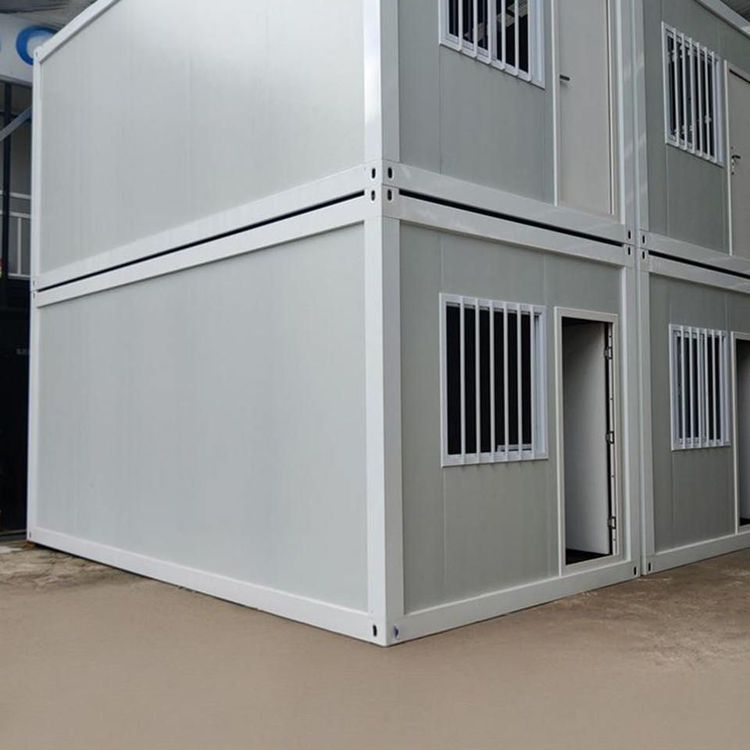
Upon arrival at the designated location, specialized equipment such as cranes should be used to place the mobile toilet steadily in its predetermined position. During installation, ensure that the toilet is placed horizontally to avoid inconvenience in use or damage to the equipment due to tilting. If the mobile toilet is equipped with water and electricity facilities, connect it to external water supply, drainage, and power lines, and conduct preliminary tests to confirm that functions such as flushing and lighting are working properly. After installation, clean up any packaging materials, tools, and other debris left at the site to maintain a clean surrounding environment.
II. Safety Inspections and Risk Prevention
Safety loopholes during transportation can lead to serious accidents. For example, in an incident at a highway service area in Hebei in 2025, a transportation driver skipped the 'three-round inspection around the site' process, resulting in a woman being dragged onto the highway along with the toilet while using it, exposing the industry's chronic issue of 'prioritizing transportation over inspections.' According to statistics, out of over 100,000 mobile toilet dispatches nationwide each year, only 37% of drivers perform a complete inspection process.
Targeted improvement measures include:
- External Signage Optimization: Add prominent reflective signs on the exterior of mobile toilets to enhance visibility at night or in low-visibility conditions; also, mark emergency contact numbers for quick assistance from external personnel.
- Internal Alarm Devices: Install vibration alarm systems, similar to elevator emergency call buttons, which automatically trigger an alarm when the toilet is moved abnormally, notifying the transportation party or management personnel.
- Process Standardization: Develop a strict checklist for inspections before and after transportation, clearly requiring drivers to complete steps such as 'round-site inspections' and 'confirmation of securing devices,' and ensure implementation through electronic sign-offs or monitoring records.
III. Management Optimization and Industry Standards
Such incidents reflect systemic loopholes in the management of mobile toilet transportation. It is recommended to strengthen supervision through the following methods:
- Technological Empowerment: Utilize IoT devices to monitor transportation status, providing real-time feedback on location, vibration, and other data, with automatic alerts in case of abnormalities.
- Training and Assessment: Conduct regular safety operation training for transportation personnel and incorporate the execution of inspection processes into performance assessments to enforce standardized operations.
- Industry Collaboration: Promote the establishment of a unified national safety standard for mobile toilet transportation, share accident cases and improvement plans, and enhance overall risk prevention capabilities.
By implementing these measures, the safety risks during the transportation process can be effectively reduced, safeguarding the rights and interests of both users and transportation parties.