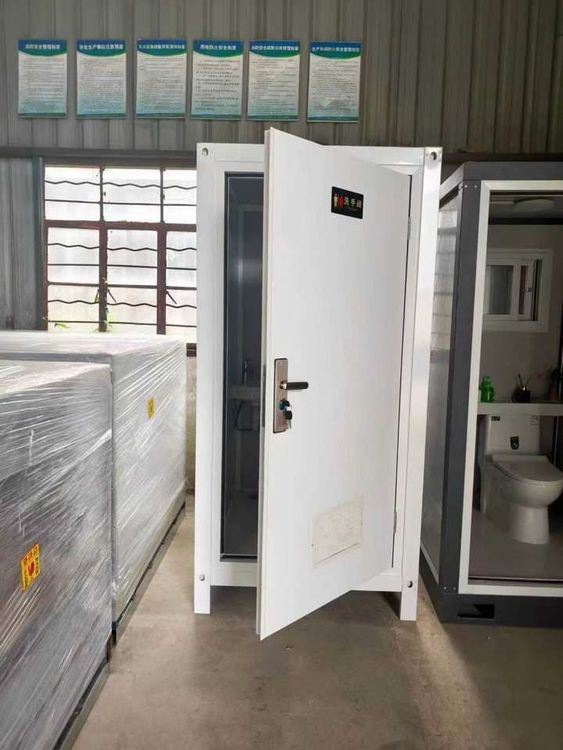
Mobile Toilet
A mobile toilet is a facility that can be moved as a whole and provides toilet services to the public. It is suitable for various places and comes in multiple types with distinct features.
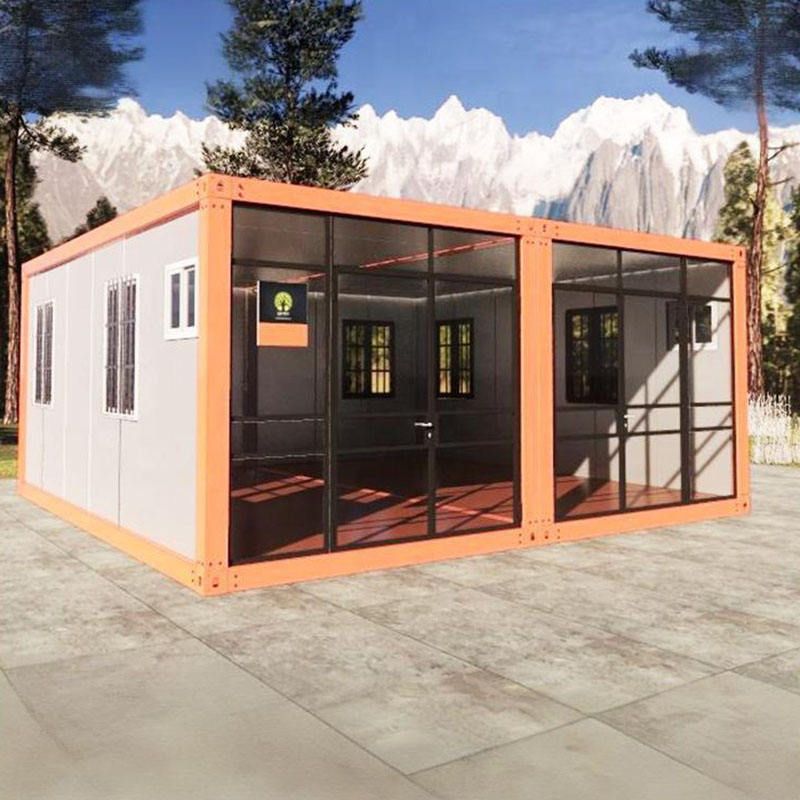
Suitable Locations
Mobile toilets are suitable for stations, docks, tourist attractions, villa areas, newly built residential communities, large construction sites, squares, densely populated public places, and bustling commercial streets. These locations often have a high volume of foot traffic, with a concentrated and possibly temporary demand for toilet facilities. Mobile toilets can effectively meet this demand and provide convenience to people.
Composition and Structure
Generally, they consist of a fecal sewage storage tank (or fecal sewage treatment device), flooring, sanitary ware, walls, washing equipment, water tanks, roofs, and mobile devices. These components work together to form the basic functional units of a mobile toilet, ensuring its normal operation.
Development History and Materials
Initially, mobile toilets were made of materials like wood, with simple structures and functions, and were prone to absorbing odors. Later, they gradually evolved to use materials such as fiberglass-reinforced plastic and polyethylene, which offer better properties like corrosion resistance, high strength, and light weight, improving the quality and service life of mobile toilets.
Classification Methods
- By structural form: They can be divided into single-structure mobile toilets and composite-structure mobile toilets. Single-structure toilets are relatively simple and suitable for places with low space requirements and fewer users; composite-structure toilets are more complex and have more comprehensive functions, meeting the needs of more people.
- By mobility method: They are classified into lifting and handling mobile toilets and powered and towed mobile toilets. Lifting and handling mobile toilets mainly rely on manual or mechanical equipment for handling and installation; powered and towed mobile toilets can be towed by vehicles, making movement more convenient and quick.
- By sewage treatment method: They are divided into water-flush and non-water-flush suction mobile toilets, circulating water-flush mobile toilets, and dry-packing mobile toilets. Different sewage treatment methods are suitable for different environments and conditions, effectively treating fecal sewage and reducing environmental pollution.
Features
They can be easily transported to any location where toilets are needed and can be used repeatedly. They have the advantages of mobility, combinability, and convenient transportation. For example, in 2023, mobile toilets were gradually installed and put into use in the Lanzhou Yellow River Scenic Area, providing convenience to tourists. There are also customized mobile toilets with separate male and female areas. The overall steel structure frame is firmly welded and durable. The gray and white metal carved panels offer thermal insulation, corrosion resistance, and ventilation through the push-pull windows at the front. The male and female signs are fully equipped, and the gray aluminum alloy exterior doors lead to independent rooms, further enhancing the user experience.