
Mobile Toilet Classification
A mobile toilet is a facility that can be moved as a whole and provides toilet services to the public. Its legal nature and accounting attributes need to be judged based on specific circumstances.
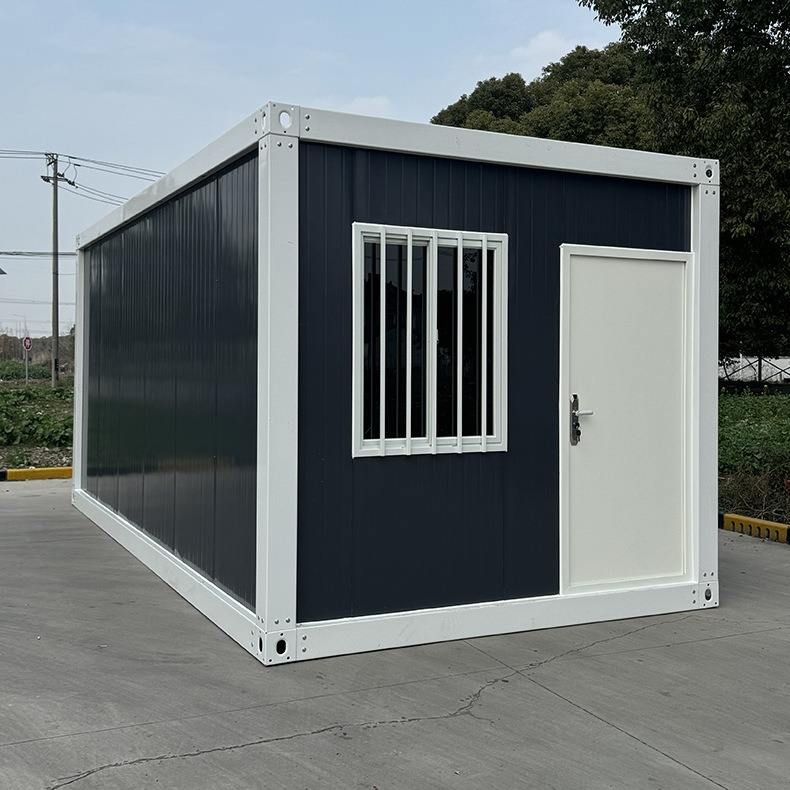
Legal Nature: Whether it is considered an illegal structure requires specific analysis
Whether a mobile toilet is considered an illegal structure needs to be judged comprehensively based on its installation method, approval status, and local policies.
1. Planning Approval and Land Nature
If the installation of a mobile toilet has been approved by the planning department and complies with the land use nature (such as temporary land or land for specific functional areas), it is generally not regarded as an illegal structure. For example, mobile toilets installed in temporary locations such as construction sites and large-scale event venues are legal temporary facilities if the relevant procedures have been completed.
2. Permanence and Temporariness
If a mobile toilet is permanently fixed to the ground (such as by pouring foundations or connecting to municipal pipelines) without planning permission, it may be identified as an illegal structure. Conversely, if it has a detachable and movable structure (such as being fixed with bolts or placed on a movable platform) and does not change the land use, it is more likely to be regarded as a legal temporary facility.
3. Regional Policy Differences
Different regions may have different regulations regarding mobile toilets. For example, some cities have clear regulations on the installation of mobile toilets in public places, requiring regular reporting or compliance with environmental protection standards; while rural areas may focus more on sanitary conditions rather than the approval process. Therefore, local laws and regulations should be followed.
Accounting Attribute: Usually classified as a fixed asset
From an accounting perspective, a mobile toilet meets the definition of a fixed asset and needs to be depreciated according to the category of tools and furniture.
1. Fixed Asset Recognition Conditions
According to accounting standards, a fixed asset must meet two conditions: first, it is held for the production of goods, provision of labor services, or business management; second, its useful life exceeds one accounting year. As a long-term sanitary facility, a mobile toilet clearly meets these two points.
2. Depreciation Treatment
The depreciation of a mobile toilet is usually calculated according to the category of tools and furniture, with a depreciation period generally ranging from 5 to 10 years (adjusted according to the frequency of use and maintenance conditions). For example, if a mobile toilet purchased by an enterprise is used for employee welfare or customer service, its cost can be amortized over multiple accounting years to reflect the actual consumption of the asset.
3. Tax Compliance
At the tax law level, the purchase cost of a mobile toilet can be regarded as a fixed asset investment and deducted for depreciation when calculating corporate income tax. However, purchase invoices, approval documents, and other vouchers need to be retained for inspection.



