Mobile Toilets
Toilets can indeed be mobile. As a special type of sanitation facility, mobile toilets possess overall mobility, allowing them to be flexibly set up in fixed or temporary locations according to demand, providing convenient toilet services to the public. The following provides an overview of different types and their characteristics:

Common Types
Standard Mobile Toilets
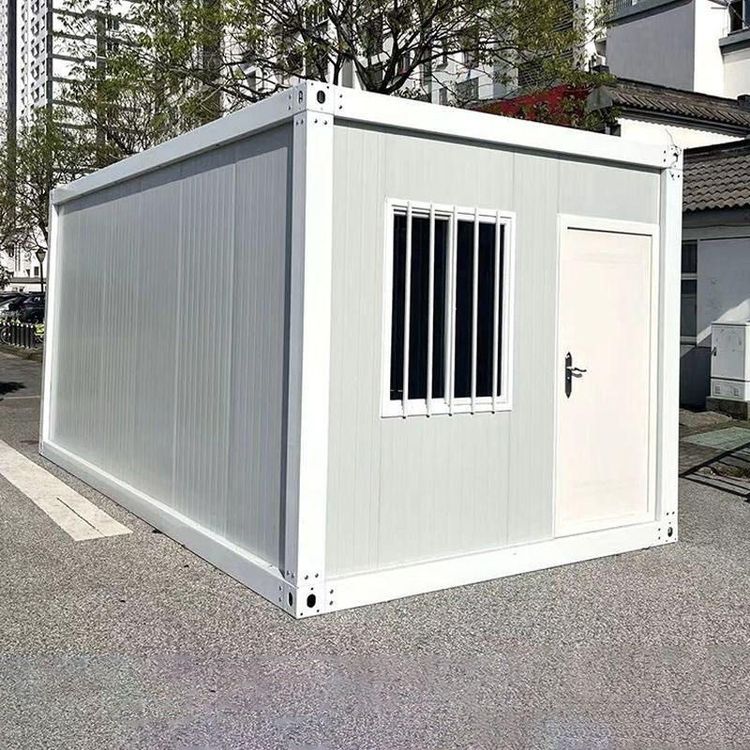
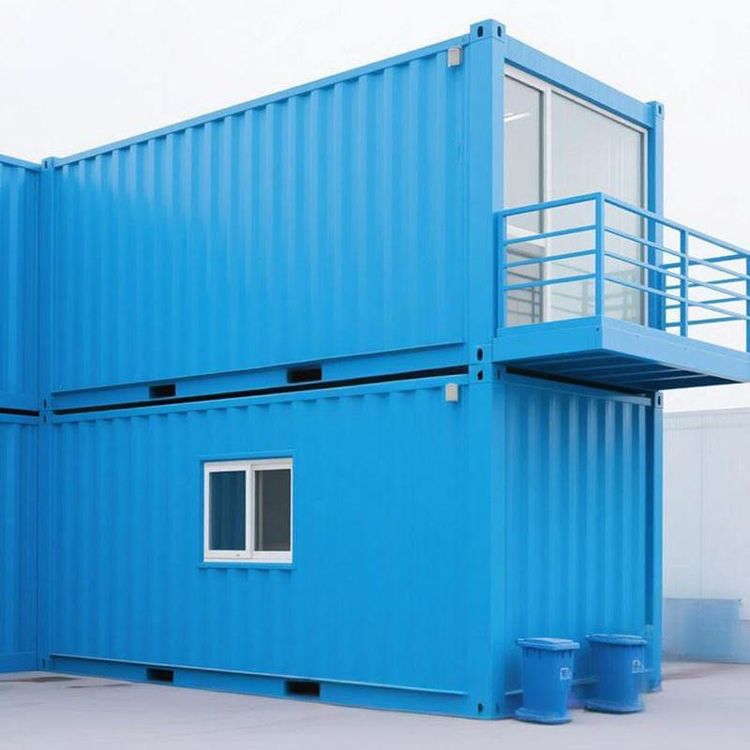
These toilets are typically made of lightweight materials (such as plastic or metal) and are equipped with complete toilet units (including toilets, fecal storage tanks, or flushing systems). Their design emphasizes modularity, enabling them to be transported as a whole by trucks or lifting equipment. They are commonly found at construction sites, large event venues, or tourist attractions. For example, temporary clusters of mobile toilets set up during music festivals can be quickly dismantled and relocated to other locations after the event.Homemade Mobile Restrooms
Some innovative cases achieve mobility by modifying existing containers. For instance, a young man created a mobile restroom using a water storage tank and a pallet: he drilled a hole in the bottom of the tank to install a toilet, placed a fecal storage tank inside, and added a pallet and wheels to the exterior, forming a simple yet fully functional mobile unit. Although this design is less durable than standardized products, it is cost-effective and can be quickly assembled, making it suitable for emergency or temporary use.Foldable Mobile Toilets
These toilets use lightweight frames (such as aluminum alloy) and flexible materials (such as waterproof canvas) to reduce volume through a folding structure, facilitating transportation and storage. When in use, they can be unfolded to form an enclosed space equipped with a simple toilet or squat pan. These toilets are often used in disaster relief, field expeditions, and other scenarios, with advantages in portability and rapid deployment.
Core Characteristics
- Flexibility: Mobile toilets can be repositioned at any time according to demand, avoiding the resource waste or insufficient coverage issues caused by the fixed location of traditional toilets.
- Adaptability: Diverse solutions are designed for different environments (such as areas without water supply and drainage systems). For example, dry fecal storage tanks are suitable for water-scarce scenarios, and solar power systems can support nighttime use.
- Environmental Friendliness: Some high-end models use biodegradation technology to treat feces, reducing pollution; reusable designs also lower resource consumption.
The widespread adoption of mobile toilets reflects the trend of public sanitation facilities moving towards modularity and intelligence. Their application scenarios have expanded from temporary needs to supplements for long-term fixed locations, becoming an important tool in modern urban management.