
Mobile Toilet Trailer Chassis Design
The design of mobile toilet trailer chassis should focus on load-bearing capacity, terrain adaptability, mobility flexibility, and environmental adaptability. The specific design points are as follows:
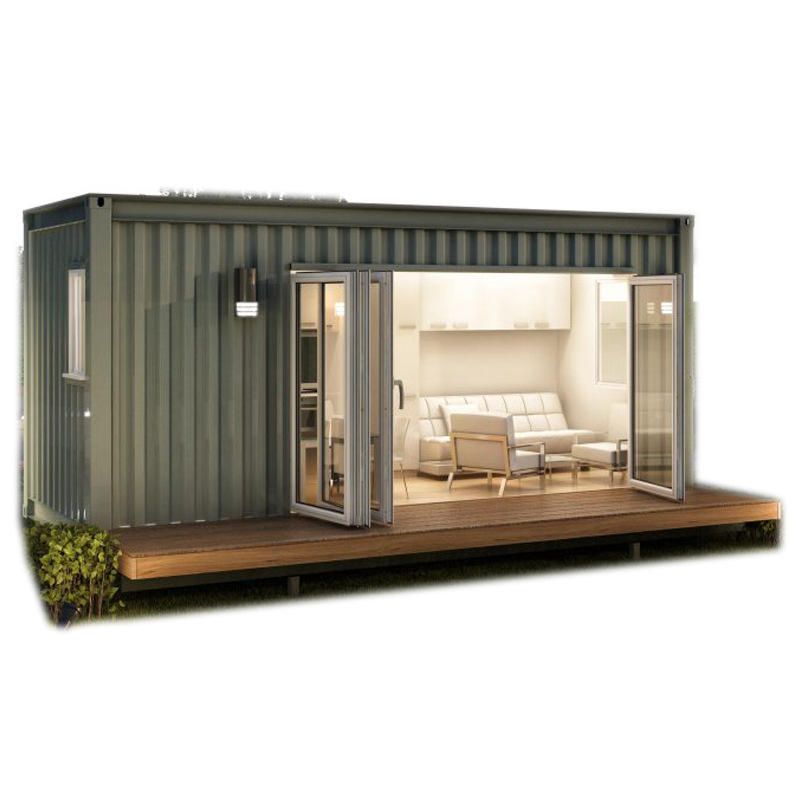
1. Load-Bearing Design and Material Selection
The chassis should undergo stress calculations based on the weight distribution of internal equipment (such as water tanks and septic tanks). For example, if a 1000-liter freshwater tank is placed at the front, the thickness of the chassis longitudinal beams should be increased from the conventional 6 millimeters to 8 millimeters to avoid metal fatigue. In terms of materials, given the rainy summers and low-lying terrain in Hubei, the chassis should use hot-dip galvanized steel frames, which offer 3-5 times better corrosion resistance than ordinary steel and can effectively resist rust in humid environments. Additionally, key connection points (such as suspension brackets) should use high-strength alloy steel to ensure long-term load-bearing without deformation.
2. Terrain Adaptability Design
- Axle Distance Selection: In the mountainous areas of western Hubei, where roads are narrow, an axle distance of less than 3 meters can reduce the turning radius and improve maneuverability. In the flat terrain of the Jianghan Plain, a longer axle distance (over 4.5 meters) enhances straight-line driving stability and reduces the risk of side-tilting during emergency braking.
- Wheeled Chassis: Standard models are equipped with heavy-duty universal or directional wheels (wheel diameters of 200-400mm), made of polyurethane or rubber, with a single-wheel load capacity of 300-500 kilograms, supporting manual movement on hardened surfaces, concrete floors, or flat grass. Premium models can be fitted with towing hooks for short-distance towing by small forklifts or pickup trucks, adapting to complex terrains.
3. Self-Driving and Modular Design
- Self-Driving Chassis: Dual-axle design increases the bearing area and lowers the center of gravity, improving stability by over 20%. By converting chemical energy (such as from lithium batteries) into mechanical energy, it eliminates dependence on towing vehicles and is suitable for flexible movement in confined spaces.
- Modular Interfaces: The chassis is equipped with forklift slots (opening dimensions of 140mm-200mm in height) or lifting rings, supporting overall handling by forklifts or cranes for long-distance, cross-site transfers. Modular design also allows for quick replacement of functional modules (such as adding sewage treatment units), enhancing equipment reusability.
4. Rapid Fixing and Leveling System
The chassis is equipped with adjustable anchor bolts (adjustment range of 50-100mm), calibrated with a level to ensure stability. For temporary outdoor use, expansion bolts or screw-in ground anchors (lengths of 300-600mm) are used for fixation, preventing displacement due to strong winds or collisions. The leveling system responds in less than 5 seconds and can adapt to ground slopes of up to 5%.
5. Environmental Adaptability Details
- Anti-Freezing Design: In Hubei, where winter temperatures can drop below 0℃, heat tracing tapes should be wrapped around the pipes to maintain a temperature above 5℃, preventing liquid freezing and system failure.
- Sealing and Rust Prevention: Butyl rubber sealing strips are used at wall joints, achieving a waterproof rating of IPX6. Hardware components are made of 304 stainless steel, which is resistant to air humidity (Hubei's average annual humidity is over 75%), extending the service life to over 10 years.



