
Mobile Toilet Top Design
The top design of mobile toilets comes in various forms, with common types including double-layer roofs and flat roofs, each having distinct features in terms of functionality and applicable scenarios.
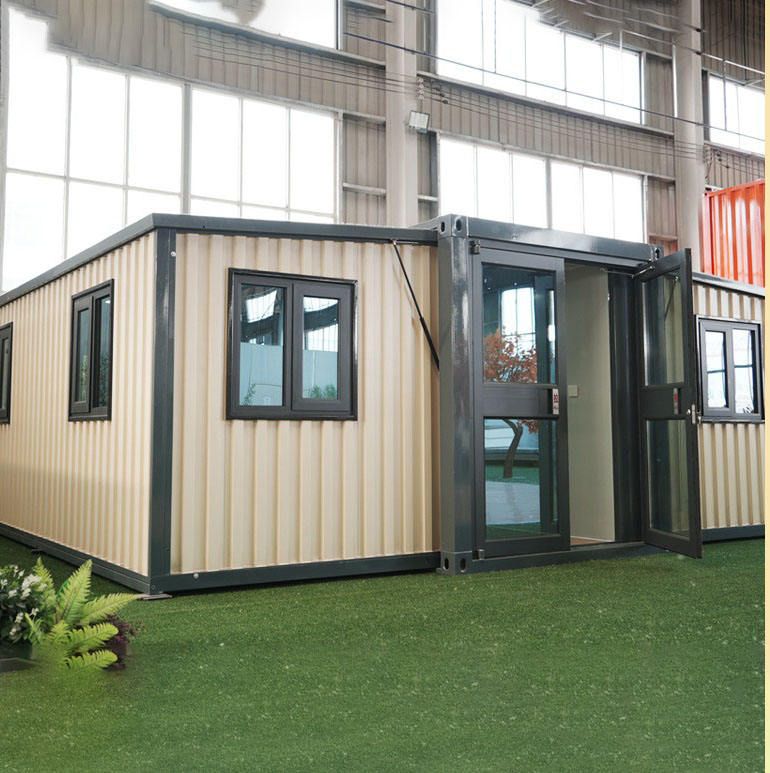
Double-Layer Roof Design
Classic double-layer mobile toilets adopt a double-roof structure, with the core function of enhancing thermal insulation performance. The exterior walls are typically made of gold-carved panels as the primary material. These panels have a low thermal conductivity coefficient and high weather resistance, effectively blocking the impact of external temperature changes on the internal environment. For example, in cold regions, the double-layer roof design can reduce indoor heat loss, lowering heating energy consumption; in hot regions, it can block direct sunlight-induced temperature increases, keeping the interior cool. Additionally, an air layer may be reserved between the double roofs, forming a natural ventilation channel that further optimizes thermal insulation while preventing water accumulation or condensation on the roof, extending the building's service life.
Flat Roof Design
Mobile toilets with a flat roof design, represented by extra-large lightweight steel structure public toilets, focus more on structural stability and space utilization. The flat roof adopts a new color scheme, not only enhancing aesthetic appeal but also reducing sunlight absorption through a reflective coating, indirectly lowering indoor temperatures. Lightweight steel structures themselves have the characteristics of lightweight and high strength, and when combined with a flat roof design, they can simplify the construction process and reduce transportation costs. Furthermore, the flat roof structure facilitates the installation of solar panels or rainwater collection systems, meeting environmental protection needs. For example, in arid regions, the flat roof design can be combined with rainwater diversion channels to guide rainwater to storage devices for toilet flushing or green irrigation; in areas with abundant sunlight, solar panels can be added to power the toilet's internal lighting or ventilation equipment, achieving energy self-sufficiency.
Basis for Design Selection
The selection of the top design for mobile toilets requires comprehensive consideration of climatic conditions, usage scenarios, and functional requirements. In regions with large temperature variations, the double-layer roof design is more advantageous; in scenarios with limited space or requiring rapid deployment, the flat roof design is more suitable. With technological advancements, some mobile toilets are also attempting to integrate both designs, such as adding a removable thermal insulation layer on top of a flat roof to balance flexibility and functionality.



