Conversion of Mobile Toilet to Shower Room
The conversion of a mobile toilet to a shower room can be achieved through an integrated mobile shower room or a low-cost renovation plan, depending on the original toilet type and requirements.

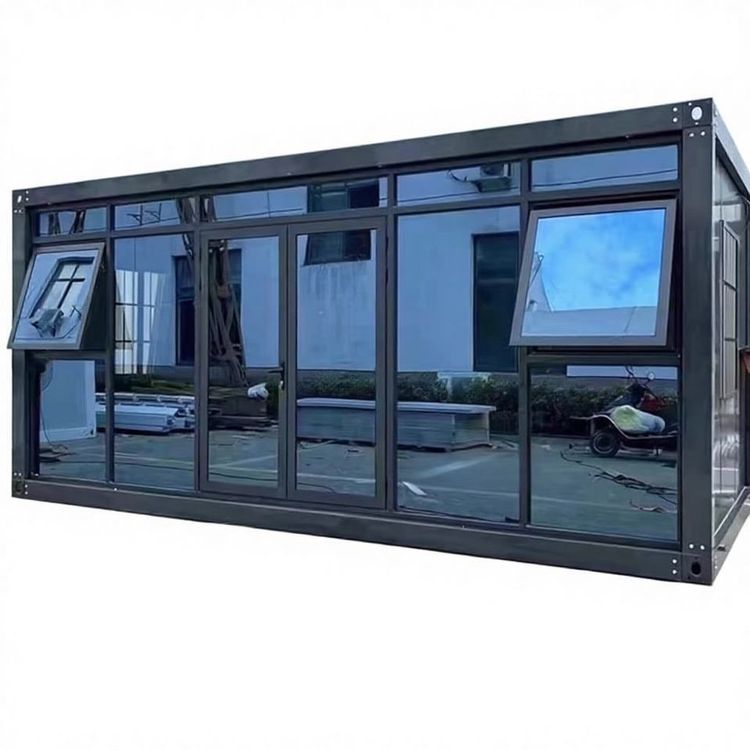
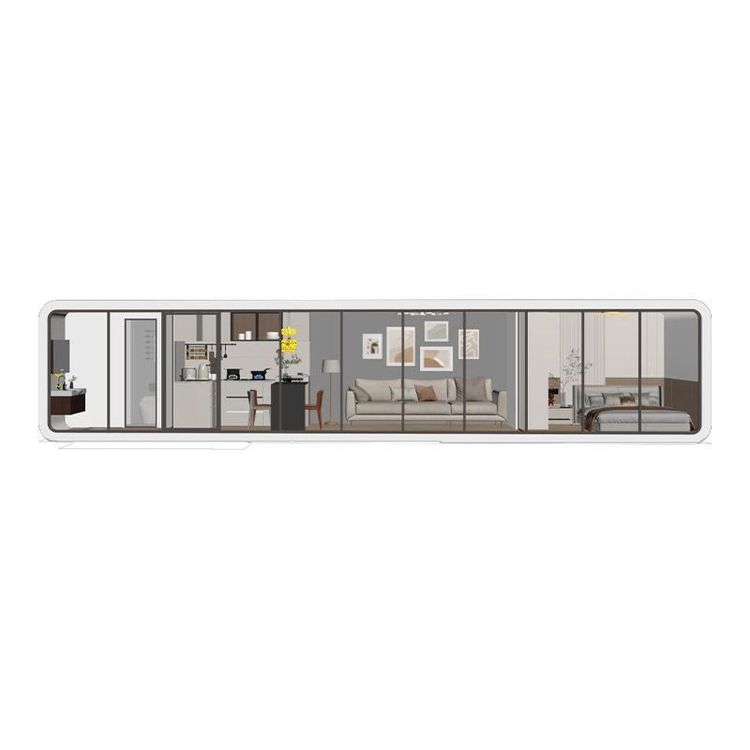
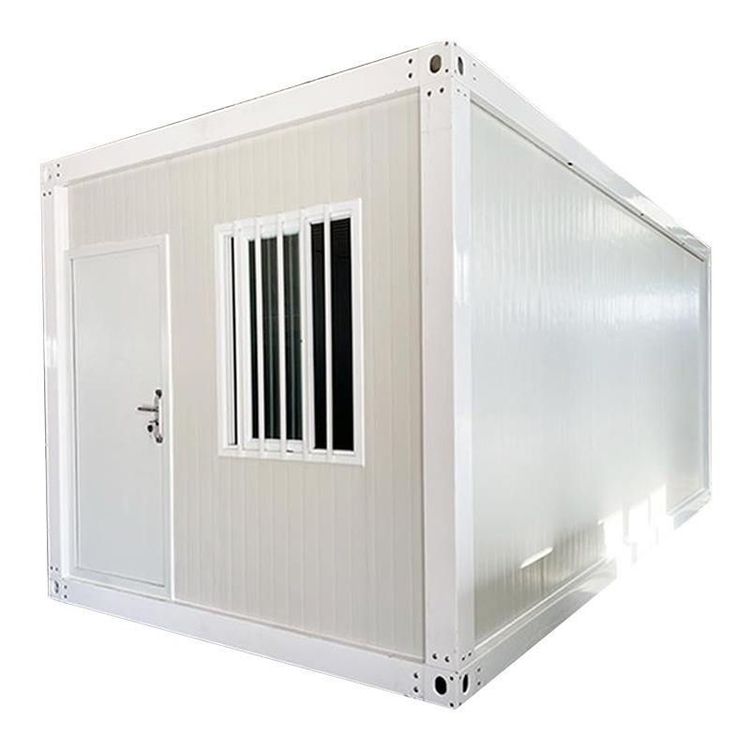
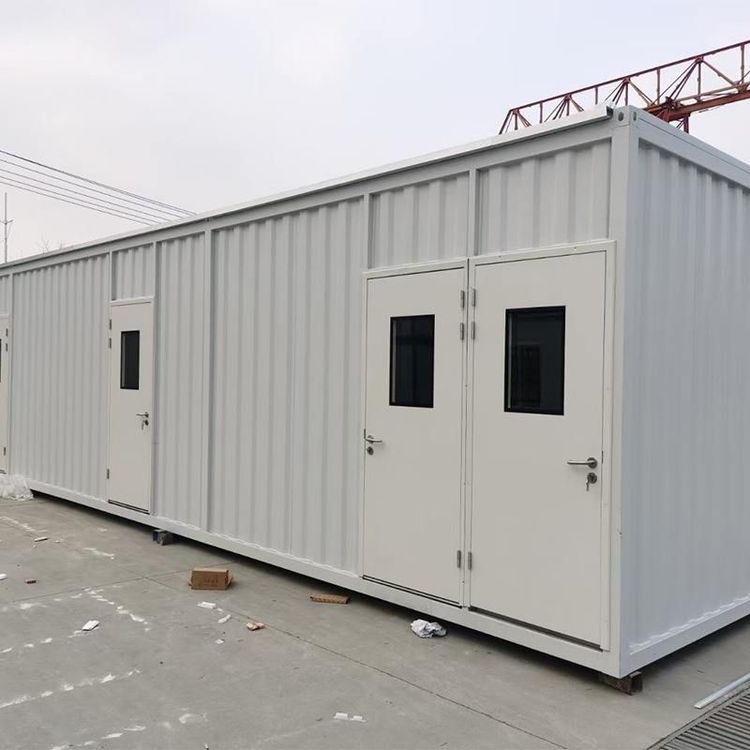
If an integrated mobile shower room is adopted, its design is optimized for independent sanitary needs in places such as construction sites, rural areas, and scenic spots. It is fully equipped with core functional modules including a water heater, sink, toilet, showerhead, and bathroom heater. Once water and electricity are connected, it can be used directly. The outer shell is made of aluminum alloy, which is waterproof and moisture-proof, suitable for humid environments. Inside, it is equipped with storage shelves and a swing door design to enhance space utilization and practicality. Installation of such products does not require wall demolition or complex decoration, making them suitable for both temporary scenarios (such as construction site mobile homes) and long-term solutions (such as rural self-built houses), offering high flexibility.
For the renovation of a squat-type mobile toilet, a low-cost plan can be adopted:
- Cover the original squat position: Use a dedicated squat pit cover (such as plastic or metal) to seal the original squat pit, preventing water leakage to the underlying structure while keeping the floor level.
- Safety protection: Install anti-slip mats to cover the entire shower area floor, preventing slipping risks due to water stains, especially suitable for use scenarios involving the elderly or children.
- Storage optimization: Utilize the space above the toilet tank to install shelves for storing bathing supplies (such as shampoo and body wash), solving storage problems in small spaces. This plan does not require the removal of existing facilities, has a short renovation period, and low cost. However, it is necessary to regularly check the sealing of the squat pit cover to prevent aging and leakage after long-term use.
Both plans require advance planning of water and electricity lines: the integrated shower room needs to reserve standard interfaces (such as a 220V power supply, water inlet and outlet pipes); the low-cost renovation requires ensuring there is a cold water source and a drain near the shower area. If the original toilet has no drainage system, a collection trough can be added or a mobile sewage tank can be connected, with waste water handled through pump drainage. After renovation, the waterproof performance should be tested, with a focus on checking whether the joints (such as between the cover and the floor, and between the showerhead and the wall) are sealed to prevent structural damage from water seepage after long-term use.