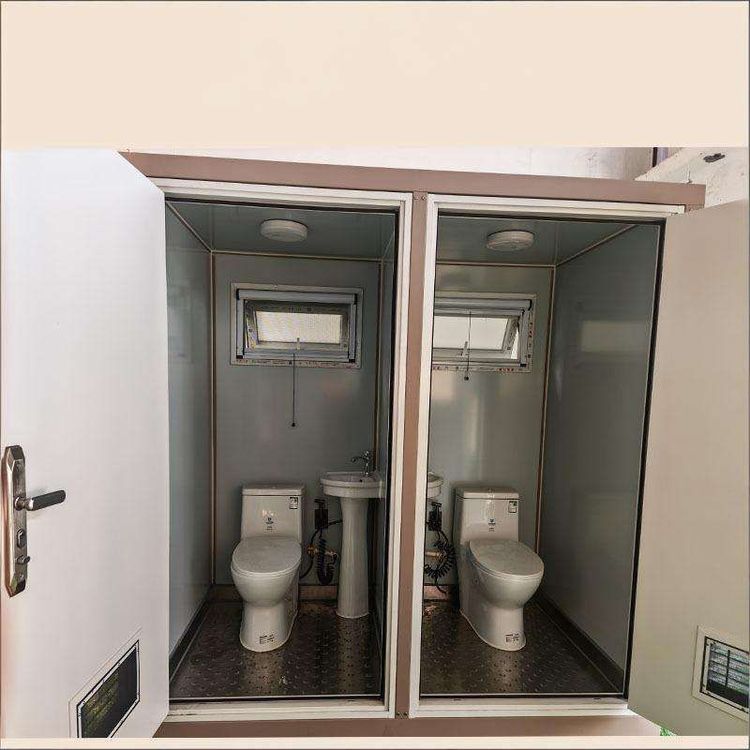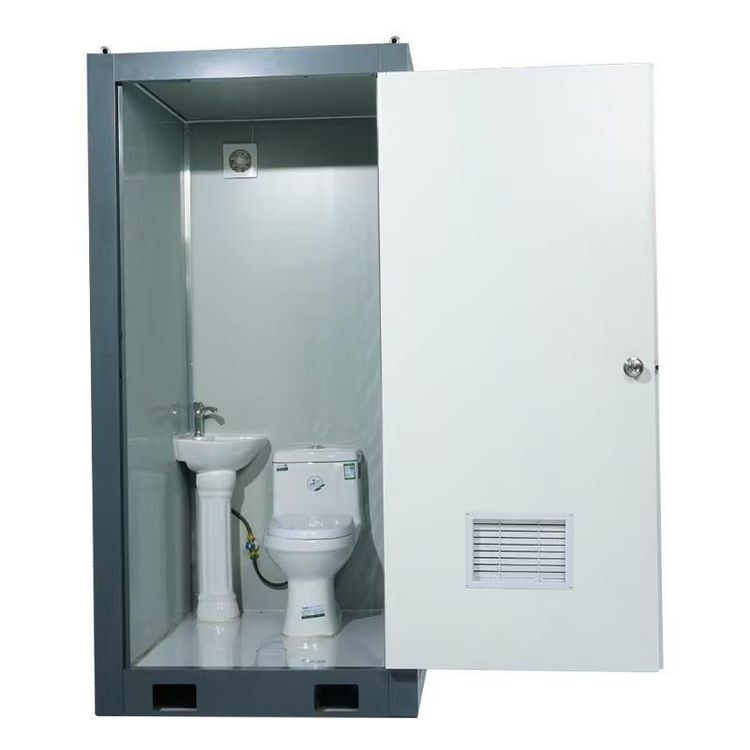
Which Type of Tiles to Choose for Mobile Toilets
When selecting tiles for mobile toilets, anti-slip performance should be prioritized. Full-body tiles, mosaic tiles, rustic/matte tiles are recommended, while glazed tiles are only suitable for dry areas. The specific choice should be based on a comprehensive consideration of space characteristics, usage needs, and budget. Here is a detailed analysis:

1. Full-body Tiles: Combining Anti-slip and Durability
Full-body tiles have a rough surface and uniform texture, with a water absorption rate of less than 0.5%. They are highly wear-resistant and have excellent anti-slip properties. The anti-slip principle lies in their unpolished surface, which provides a high friction coefficient. Even in long-term humid environments (such as frequent flushing scenarios in mobile toilets), the anti-slip effect remains stable. Additionally, the dense internal structure of full-body tiles makes them less prone to water penetration, preventing tile discoloration or mold growth caused by prolonged exposure to water stains, making them suitable as the main flooring material for mobile toilets.
2. Mosaic Tiles: Preferred for Small Spaces with Anti-slip Needs, Requires Regular Cleaning
Mosaic tiles are composed of small tile pieces joined together. The segmented design significantly increases floor friction, offering better anti-slip properties than ordinary tiles. Their advantage lies in the flexibility to combine patterns, suitable for personalized designs in small mobile toilets. However, it should be noted that mosaic tiles have more gaps, which can easily trap dirt and require regular cleaning with a soft-bristled brush to prevent bacterial growth. If the budget is limited and the space is small, mosaic tiles are a cost-effective choice.
3. Rustic/Matte Tiles: Practical Choices with Anti-slip and Easy-to-clean Features
Rustic tiles form an anti-slip layer through textured or matte surface treatments, with a friction coefficient of over 0.6. Meanwhile, their glazed surfaces are highly stain-resistant, preventing stains from penetrating and allowing easy cleaning with a damp cloth. Matte tiles reduce the risk of slipping by lowering surface reflectivity and are more wear-resistant than ordinary glazed tiles. These two types of tiles are moderately priced, suitable for mobile toilet scenarios with limited budgets but a pursuit of practicality.
4. Glazed Tiles: Only for Dry Areas
Glazed tiles are covered with a layer of glassy glaze, and their textures can increase friction. However, when exposed to water, the glaze surface becomes smoother, significantly reducing anti-slip properties. Therefore, glazed tiles are only suitable for dry areas within mobile toilets (such as near the sink) and should avoid prolonged exposure to water stains. If glazed tiles are chosen, ensure proper floor drainage to minimize water accumulation risks.
Brand and Process Recommendations
Prioritize brands such as Marco Polo, Dongpeng, and Nobel, whose products adopt processes like microcrystalline glass glaze and textured designs, offering better anti-slip and durability. For example, microcrystalline glass glaze can enhance tile surface hardness and reduce wear, while textured designs strengthen anti-slip effects through physical structures, suitable for high-frequency usage scenarios.