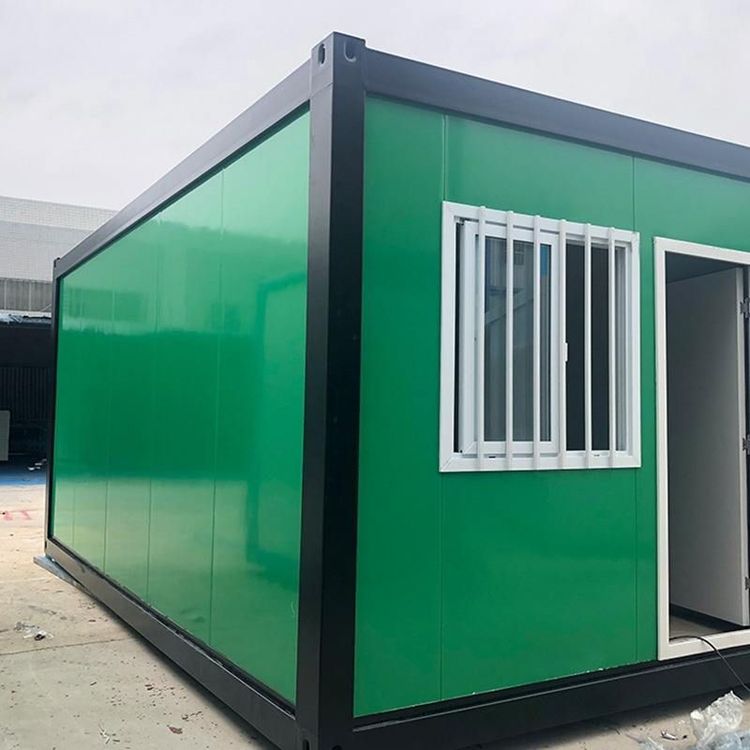
Tibetan Translation of Mobile Toilet
There is currently no directly corresponding standard translation for 'mobile toilet' in Tibetan. According to available information, 'toilet' can be expressed in Tibetan as 'གསང་སྤྱོད་' (in international phonetic transcription, corresponding to the Tibetan script spelling 'གསང་སྤྱོད་ཁང་'). However, the Tibetan expression for 'mobile' needs to be selected based on the specific context. For example, 'movable' might be expressed as 'འགུལ་སྐྱོད་ཐུབ་པའི་' (capable of moving) or 'སྤོ་ཐུབ་པའི་' (capable of being moved), but there is no authoritative basis for directly combining them to form 'mobile toilet'.

Difficulties in Tibetan Vocabulary Combination
In Tibetan grammar, the formation of compound words requires adherence to word order and particle collocation rules. For example, if 'mobile toilet' is translated literally as 'འགུལ་སྐྱོད་གསང་སྤྱོད་ཁང་' or 'སྤོ་ཐུབ་པའི་གསང་སྤྱོད་ཁང་', although it can convey the basic concept, it may not conform to the expression habits of native Tibetan speakers. In Tibetan, there is a greater tendency to use existing vocabulary or phrases to describe new things rather than directly creating compound words. For example, 'temporary toilet' might be expressed as 'གནས་སྐབས་གསང་སྤྱོད་ཁང་' (temporary + toilet) rather than forcibly combining 'mobile' and 'toilet'.
Suggested Solutions
- Consult professional translators: Native Tibetan speakers or professional translators can select the most appropriate expression based on the actual usage scenario (such as tourism, engineering, disaster relief, etc.). For example, in a tourism scenario, a concise phrase might be preferred; in an engineering scenario, the 'mobility' might need to be emphasized.
- Refer to authoritative dictionaries: Consult tools such as the 'Tibetan-Chinese Dictionary' and the 'Modern Tibetan Dictionary', or search for the combination methods of relevant vocabulary through Tibetan learning platforms (such as 'Tibetan Online' and 'Banzhida Tibetan Dictionary').
- Express flexibly according to the context: If used in spoken or informal situations, first use 'གསང་སྤྱོད་ཁང་' (toilet) to explain the main subject, and then add descriptive vocabulary such as 'སྤོ་ཐུབ་པའི་' (movable) to ensure that the other party understands the core meaning.
The evolution of Tibetan vocabulary is closely related to the introduction of new things. With social development, modern concepts similar to 'mobile toilet' may gradually form fixed translations. At the current stage, the primary goal is to accurately convey the meaning and then verify the standardization of the expression through practice.