
Setup and Fixation of Mobile Toilet Tents
The setup and fixation of mobile toilet tents should be carried out according to the type, with common types and operations as follows:
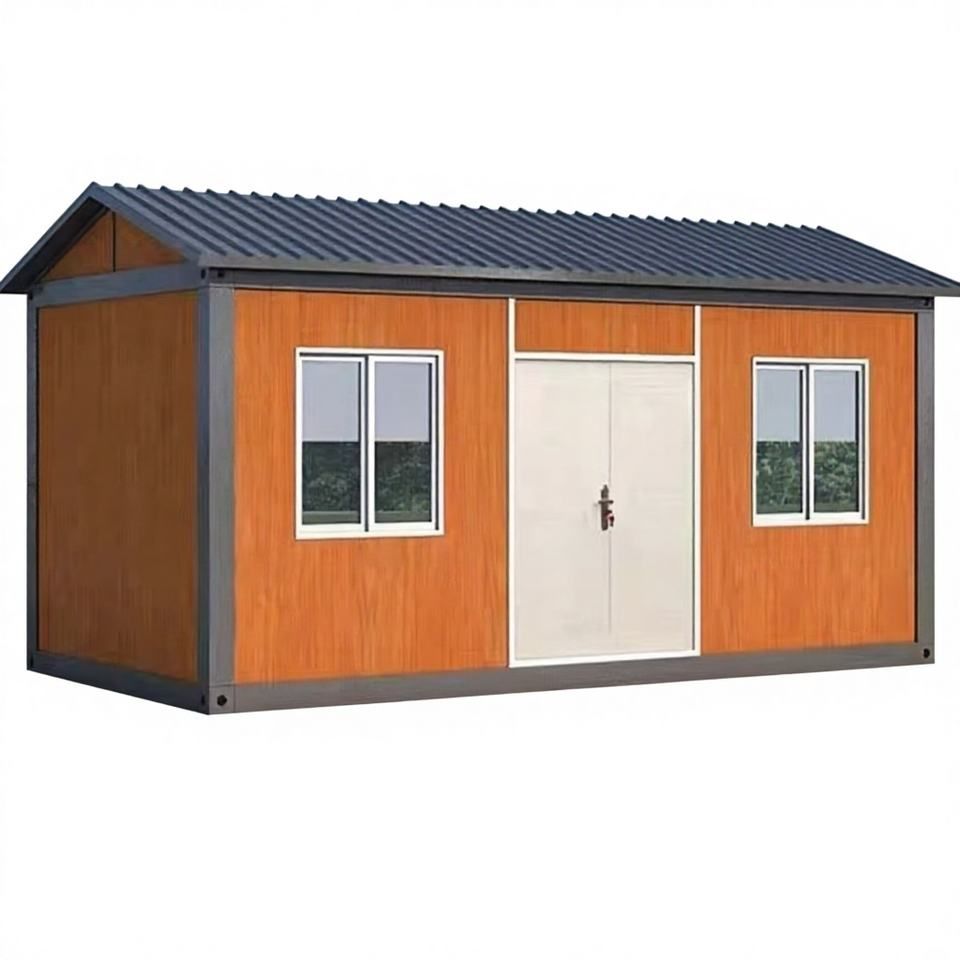
1. Setup and Fixation of Frame-Type Toilet Tents
This type of tent uses a lightweight aluminum alloy frame as its main supporting structure. It can be quickly assembled through adjustable joints without the need for professional tools, with the main setup completed in 10-15 minutes. The outer layer is covered with waterproof Oxford cloth or PVC-coated canvas, and the outer structure needs to be firmly fixed:
- Ground Stake Fixation: Use stainless steel ground stakes that are no less than 30 centimeters in length. Distribute them evenly along the four corners and edges of the tent, inserting them into the ground at a 45° angle to maximize the contact area between the stakes and the ground. If the ground is soft soil, increase the number of ground stakes or use extended ones; for hard ground (such as concrete), use expansion bolts instead.
- Windproof Reinforcement: In areas with strong winds, additional windproof ropes should be used to connect the top of the tent to ground anchor points (such as ground stakes or weight blocks), forming a triangular support structure to enhance wind resistance. The windproof ropes should be kept taut to prevent the tent from shaking.
2. Fixation Methods for Mobile Toilets at the Xuchang Marathon Site
In such scenarios, comprehensive fixation should be carried out based on ground conditions and functional requirements:
- Ground Preparation: Before setup, level the ground and remove sharp objects such as gravel and branches to avoid damaging the bottom of the tent; lay anti-slip mats (such as rubber mats or PVC anti-slip cloth) to prevent ground slippage caused by rainwater accumulation and protect the bottom material of the tent.
- Fixation Measures:
- Expansion Bolt Fixation: Suitable for hard ground (such as concrete and asphalt), drill holes at the four corners and support points of the tent, insert expansion bolts, and tighten them to ensure a firm connection between the tent and the ground.
- Weight Block Fixation: If the ground cannot be drilled (such as stone-paved roads and wooden floors), place weight blocks (such as sandbags and cement blocks) at the bottom of the tent. It is recommended that each block weigh no less than 50 kilograms and be evenly distributed to balance the force.
- Water and Electricity Connection Safety: The sewage pipe should be sealed and connected to the municipal sewer network or a dedicated collection container to prevent leakage; the power supply line should be kept away from water sources, use waterproof sockets, and be equipped with leakage protection devices to ensure electrical safety.
Precautions: Check the weather forecast before setup to avoid operating in extreme weather conditions such as strong winds and heavy rain; regularly check the fixation status of ground stakes, windproof ropes, and weight blocks, and adjust loose components in a timely manner.



