What Technologies Are Used in Mobile Toilets
Mobile toilets involve a variety of advanced technologies, covering materials, treatment, energy, control, and other fields.

1. New Materials and Water-Saving Technologies Mobile toilets achieve efficient water conservation by optimizing materials and flushing systems. For example, they use devices that automatically collect hand-washing water and add special agents, reducing the flush volume per person to just 0.46 liters, significantly lower than traditional toilets. Some models are also equipped with water-saving flush valves or vacuum suction devices to further reduce water consumption.
2. Sewage Treatment Technologies
- Recirculating Flush Type: Through intermittent aerobic and anaerobic treatment units, combined with biological strains and biofilm technology, fecal decomposition is accelerated. The treated water can be recirculated for flushing, forming a closed-loop system and reducing sewage discharge.
- Dry Packing Type: No water flushing is required; excreta is collected in biodegradable plastic bags, which are automatically replaced and collected for centralized treatment after use, avoiding sewage generation and suitable for water-scarce areas or locations without sewage pipelines.
- Other Technologies: These include foam-sealing types (using foam to cover excreta and suppress odors), microbial types (utilizing microorganisms to decompose organic matter), and direct-flush types (connected directly to sewage pipelines), meeting different environmental needs.
3. Solar Energy Technologies Some mobile toilets are equipped with solar panels, generating up to 17,000 kWh of electricity per day to power air conditioners, smart systems, etc. For example, solar-powered smart systems can achieve automatic lighting and odor removal, reduce odors through foam-sealing technology, and achieve a water-saving rate of up to 98%, making them suitable for outdoor or remote areas.
4. Smart Control Systems Integrating sensors, IoT technologies, etc., they enable automatic monitoring of toilet stall usage status, ambient temperature and humidity, air quality, and other functions. The system can remotely control lighting and ventilation equipment, optimize energy use, and support data statistics and analysis to improve management efficiency.
5. Insulation Technologies Using a design that combines insulation layers with solar-collecting walls, they can maintain an internal temperature above 10 degrees Celsius even in extreme low-temperature environments (such as minus 15 degrees Celsius), ensuring normal equipment operation and user comfort.
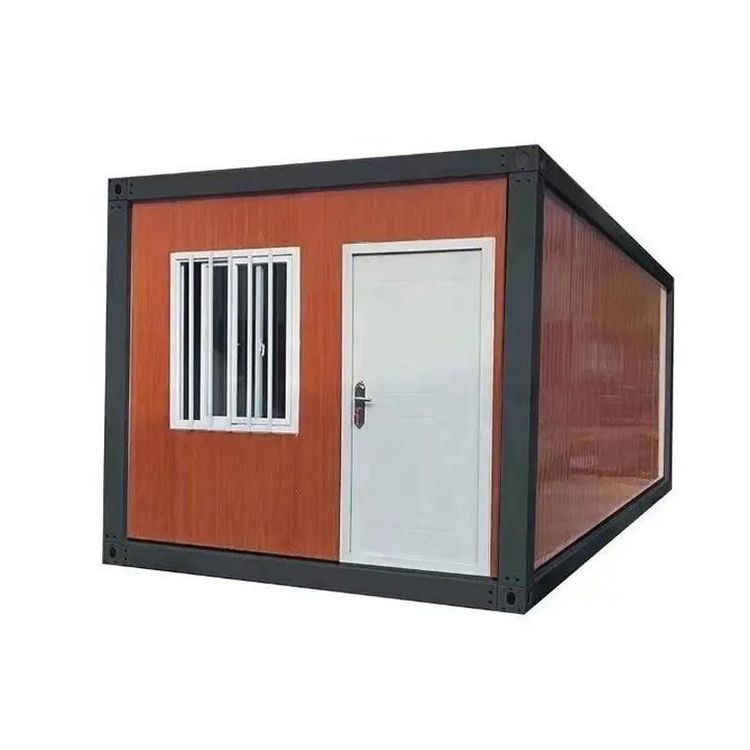
6. Integrated Installation Technologies Modular design allows mobile toilets to be installed quickly without civil engineering work, through steps such as column assembly and fixation, ready for use upon landing. This “building-block” installation method shortens the construction period, reduces construction costs, and facilitates disassembly and relocation.