Technical Background of Mobile Toilets
The technical background of mobile toilets primarily stems from the demands of urbanization and the development of the cultural and tourism industry, as well as the innovation in prefabricated building technology driven by national policies.

As urbanization accelerates, the limitations of traditional civil engineering-based sanitation facilities become increasingly apparent. Their approval processes are cumbersome, construction periods are long, and land utilization rates are low, making it difficult to adapt to the needs of modern urban flexible planning. For example, in remote scenic spots or temporary exhibition activities, the construction of traditional toilets often faces challenges such as tight time constraints and limited space, making it impossible to quickly respond to changes in demand.
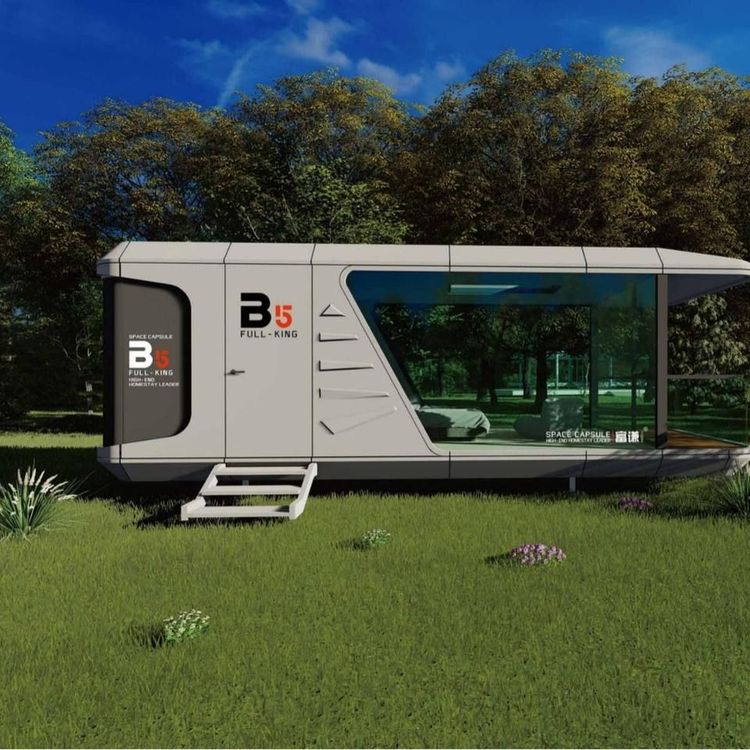
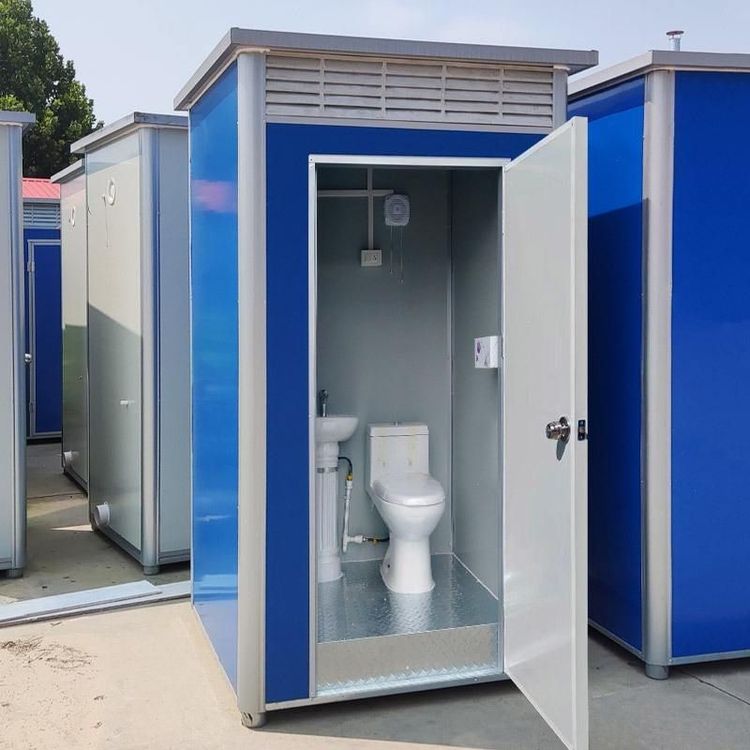
The national policy promoting new prefabricated building technologies provides a technical direction for the development of mobile toilets. This policy encourages the adoption of industrialized production methods, enhancing the efficiency and quality of public facility construction through standardized design, factory-based prefabrication, and rapid on-site assembly. Mobile toilets are a typical application of this policy, with their core being the modular combination of steel structural frames, insulation panels, and independent water and electricity systems. The steel structural frame provides a stable support structure, the insulation panels ensure user comfort, and the independent water and electricity systems enable resource recycling and convenient maintenance.
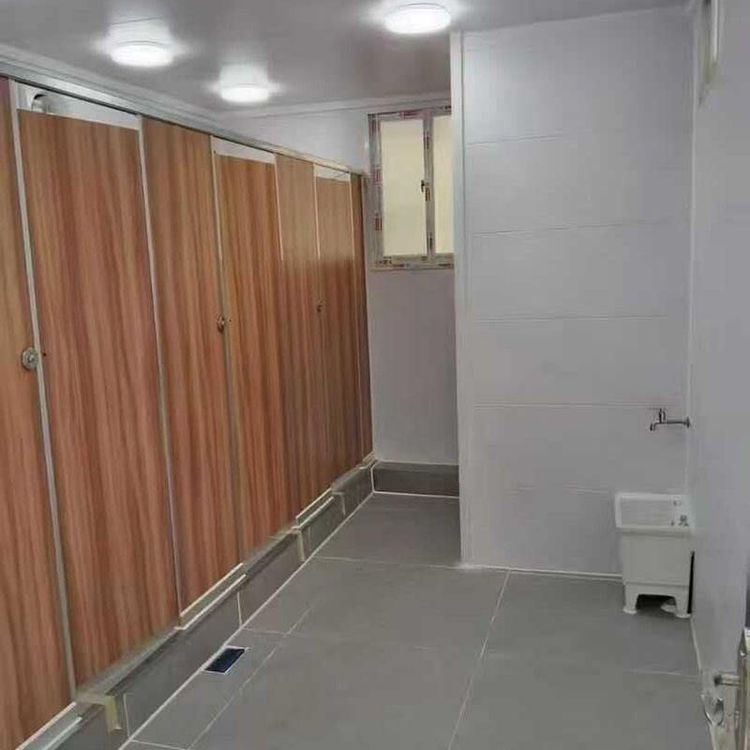
In the Beijing-Tianjin-Hebei coordinated development region, stricter environmental inspections and tighter land resources have further promoted the popularity of mobile toilets. Traditional building material markets, unable to meet the requirements for rapid deployment and environmental protection, are gradually being replaced by suppliers capable of detailed drawing design, factory prefabrication, and on-site assembly. Through technological upgrades, these suppliers have achieved large-scale production and customized design of mobile toilets, enabling them to adapt to the needs of different scenarios, such as mobile public toilets and temporary event venues.
Furthermore, the technical advantages of mobile toilets are also reflected in their flexibility and sustainability. Modular design allows for adjustments to toilet size and functionality based on actual needs, while factory prefabrication reduces the environmental impact of on-site construction. The independent water and electricity systems, through water-saving technologies and sewage treatment devices, reduce resource consumption, aligning with the development trend of green buildings.
In summary, the technical background of mobile toilets is the result of the combined effects of urbanization, policy promotion, and prefabricated building technology. Their development not only addresses the pain points of traditional sanitation facilities but also provides efficient and environmentally friendly solutions for public facility construction.