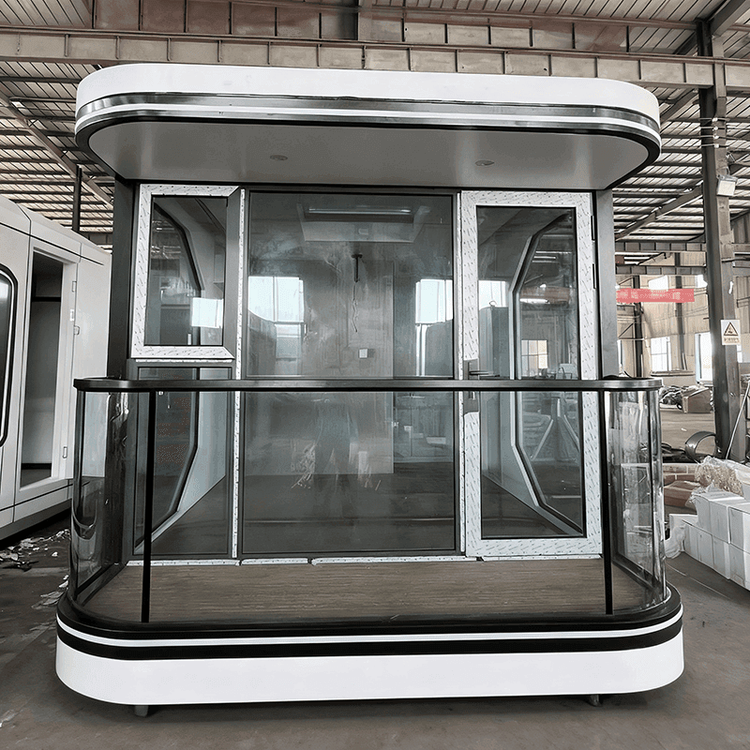
Mobile Toilet Taobao Operation
Mobile toilet Taobao operation requires comprehensive planning in terms of market positioning, product innovation, marketing promotion, logistics, and after-sales service.

I. Clarify Objectives and Market Positioning
In the short term, it is necessary to enhance product differentiation competitiveness, keep the return rate below 10%, and increase the proportion of search traffic. The medium-term goal is to rank among the top five in the Taobao toilet category within one year, establish a user feedback closed-loop system, and achieve a 15% sales share for smart toilets. The long-term strategy is to build an industry benchmark brand, expand full-house bathroom solutions, and explore overseas markets. Market positioning should cover four core scenarios: elderly care, outdoor cultural tourism, emergency disaster relief, and engineering infrastructure, optimizing product functions for different scenarios. For example, outdoor scenarios emphasize portability and durability, while elderly care scenarios focus on health monitoring and ease of use.
II. Product Development and Innovation
Technologically, focus on health and hygiene features such as antibacterial materials and smart flushing systems. Design-wise, adopt a modern minimalist style, offer customization options, and incorporate Chinese trend elements. Reduce costs through supply chain collaboration, process optimization, and flexible capacity management. Reference brands like Naturehike for developing foldable mobile toilets that combine lightweight materials with waterproof designs to meet outdoor needs.
III. Marketing Promotion System
Search engine optimization requires deploying a keyword matrix, precisely targeting audiences, and tracking results. Content marketing showcases product usage scenarios through short videos, regularly operates Taobao live streams, and manages user reputation. For cross-platform collaboration, differentiate operations on JD.com, leverage Xiaohongshu for product recommendations, and initiate social media topic marketing. For example, for outdoor scenarios, collaborate with camping influencers to publish usage tutorials and strengthen product awareness.
IV. Logistics and After-Sales Service
Logistics packaging requires pre-processing testing, structural optimization, and regional differentiation strategies. After-sales service establishes a 48-hour response mechanism, provides remote diagnostics and free installation training. For returns and exchanges, develop intelligent rules, clarify damage compensation standards, and improve reverse logistics. For example, for large items, offer door-to-door pickup services to enhance the user experience.
V. Continuous Optimization and Iteration
Monitor market trends through data-driven operations, integrate supply chain resources, build a quality management system, and apply intelligent tools to improve efficiency. Simultaneously, establish a user co-creation mechanism, collect feedback to optimize products, and reserve technical standards and brand assets for international expansion.