
Mobile Toilet Supply Contract
A mobile toilet supply contract typically covers key elements such as contract amount, procurement content, quality requirements, supply time, location, and method, acceptance method and responsibility assumption, payment method, liability for breach of contract, and contract termination conditions. The following is an explanation combined with specific contract cases:
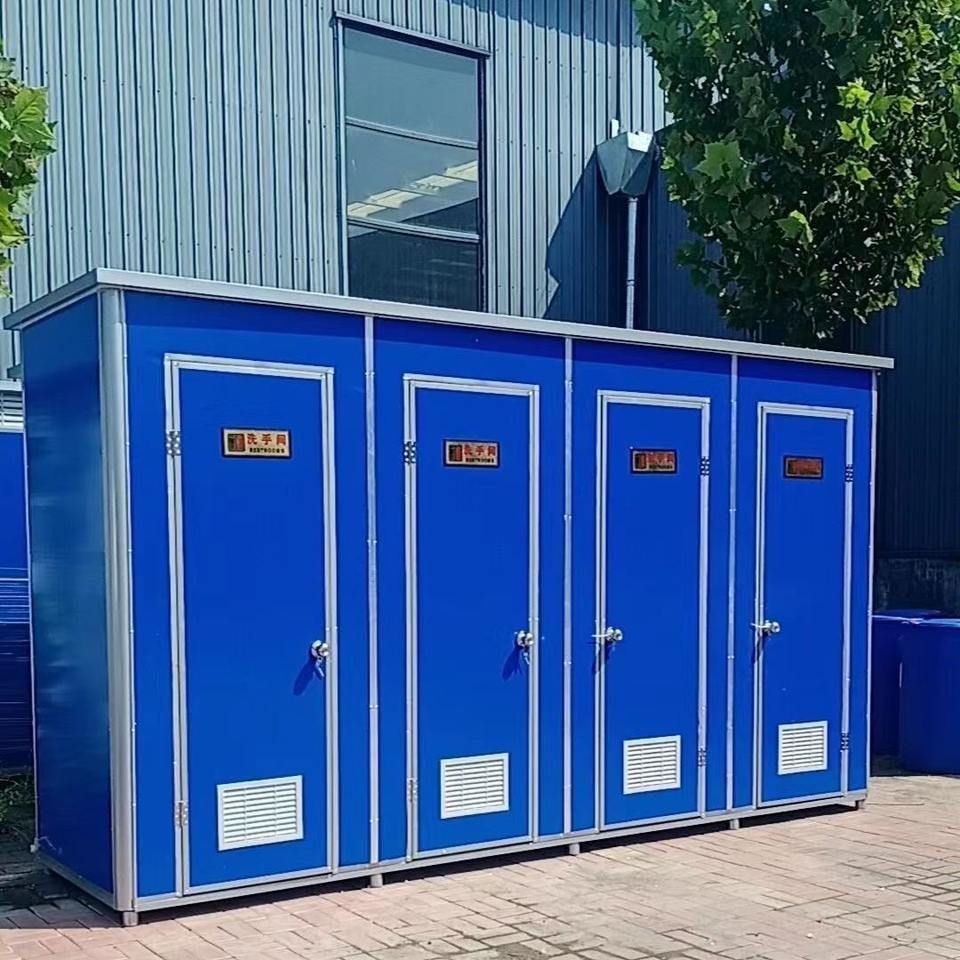
Contract Amount: The contract amounts vary significantly among different projects. For example, the contract amount between the Environmental Sanitation Service Center of Qibin District, Hebi City, and Hebi Xingheng Industrial Co., Ltd. is seven hundred and eighty-six thousand yuan (¥786,000.00), while the contract amount between Xichuan County Urban Management Bureau and Henan Fangxia Construction Engineering Co., Ltd. is 1,664,088.17 yuan. The contract amount generally includes expenses for toilet installation, ancillary infrastructure construction, and internal facilities.
Procurement Content: Clearly specify the specific types and quantities of mobile toilets to be procured. For example, in the Hebi project, different specifications of mobile public toilets were procured, including four units of 1(management room)+2(toilet compartments)+1(third toilet) mobile public toilets, one unit of 1(management room)+2(toilet compartments) mobile public toilet, and one unit of 1(management room)+3(toilet compartments)+1(third toilet) mobile public toilet.
Quality Requirements: The goods must be in stock and brand new, meeting the specifications, models, and technical indicators required by competitive negotiation or bidding. The quantity of spare parts, accessories, and tools, as well as the supply method, shall be implemented in accordance with the commitment clauses proposed in the supplier's bidding documents. After-sales service enters the warranty service period from the date of acceptance signature. The warranty period is usually one year, with free maintenance during the warranty period, and other after-sales service terms shall be implemented in accordance with the bidding documents.
Supply Time, Location, and Method: The supply and installation period must be clearly specified. For example, in the Hebi project, it is to be completed within 60 days after the contract is signed, while in the Xichuan project, it is within 30 calendar days after the contract is signed. The supply location is the place designated by the demander, and the supplier shall bear the relevant expenses for transportation, installation, etc. The packaging standard shall comply with relevant national regulations.
Acceptance Method and Responsibility Assumption: Specify the acceptance time, such as within 7 days after installation is completed in the Hebi project; the acceptance standard shall be implemented in accordance with the bidding parameters and the plan selected by the demander; all losses caused by failed acceptance shall be borne by the supplier.
Payment Method: Generally, after Party B has fully supplied and installed all goods to Party A and they have passed acceptance, Party B needs to provide Party A with a formal invoice, and Party A shall pay 100% of the contract amount.
Liability for Breach of Contract: If Party B fails to supply goods on time as required, once investigated and confirmed, its qualification as a winning supplier will be cancelled, and it shall compensate for all losses caused thereby. Moreover, it will not be allowed to participate in any government procurement activities within the relevant territory within the specified time.
Contract Termination: If any of the following situations occur, such as Party B failing to perform its obligations under the contract, going bankrupt or becoming insolvent, arbitrarily changing the bid price and service commitments, or engaging in fraud, Party A has the right to unilaterally terminate the contract.



