
Are Mobile Toilets Suitable for Rural Areas?
Mobile toilets are highly suitable for rural use, as demonstrated in the following aspects:
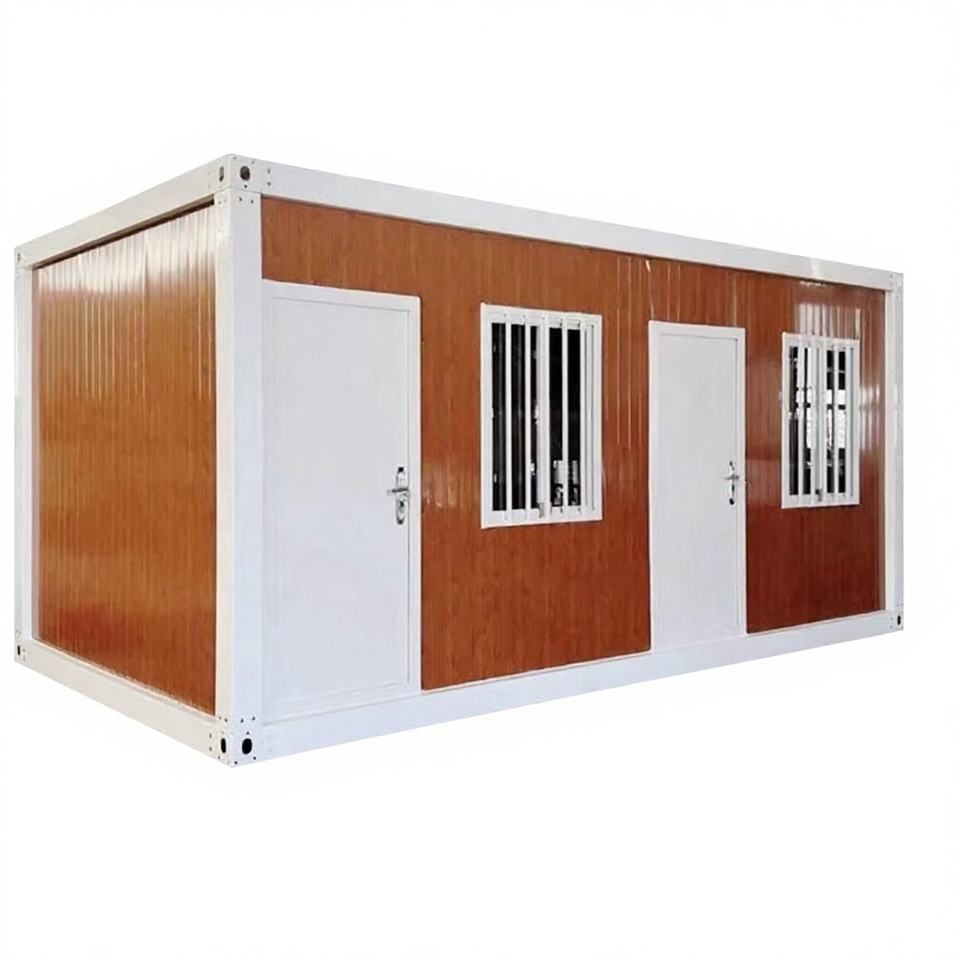
Meeting Sanitation Needs and Improving Hygiene Conditions
Rural areas often have relatively weak sanitation conditions, with traditional toilets being prone to bacterial growth and disease transmission. Mobile toilets provide a clean and hygienic restroom environment, effectively reducing the risk of disease transmission. Their internal structures typically include a toilet bowl and a fecal storage tank, with some models equipped with flushing devices. The storage tank can be periodically removed and cleaned, minimizing odor issues and improving rural hygiene conditions at the source.
High Adaptability and Easy Installation
Rural terrains are complex and diverse, ranging from flat farmland to rugged mountainous areas, with a scattered spatial distribution. Mobile toilets are not restricted by terrain or space limitations. Their modular design makes installation and disassembly quick and easy, allowing for rapid deployment around newly built houses or in remote farmland, reducing deployment costs. Additionally, they do not require complex plumbing systems and can be installed independently, making them suitable for rural living conditions.
Low Cost and Resource-Saving
Mobile toilets are less expensive than traditional fixed toilets, utilizing standardized production methods that reduce on-site construction time and labor costs. Moreover, their small footprint saves land resources, which is particularly important in rural areas where land resources are relatively scarce. Rural families can choose different types and materials of mobile toilets based on their needs and budgets, such as single-user models or those with more features, with material options including durable polyethylene or steel, offering a wide price range.
Environmentally Friendly and Energy-Efficient, Focusing on Sustainability
Modern mobile toilets emphasize environmental protection and energy efficiency, employing advanced fecal treatment technologies and water-saving facilities to reduce environmental pollution. Their materials and designs focus on sustainability, extending their service life and reducing waste generation, aligning with the concept of green development in rural areas.
Enhancing Rural Image and Promoting Economic Development
A clean and tidy mobile toilet environment helps improve the overall image of rural areas, attracting tourists and promoting rural tourism and local economic development. In temporary settings such as rural construction sites, mobile toilets meet the needs for convenience, practicality, and durability, providing strong support for rural development.
Simple Maintenance and Use
Mobile toilets can reduce odors through flushing or the addition of degrading agents after daily use. The fecal storage tank can be emptied regularly, and the exterior can be kept clean by wiping it with a damp cloth. For most models, users can replace parts themselves in case of issues, reducing maintenance costs and difficulty.



