
Back to blog
Article
Mobile Toilet Style Guide
Admin September 22, 2026
Mobile toilets come in a variety of styles, which can be classified into the following types based on structural form, functional configuration, mobility method, and sewage treatment approach:
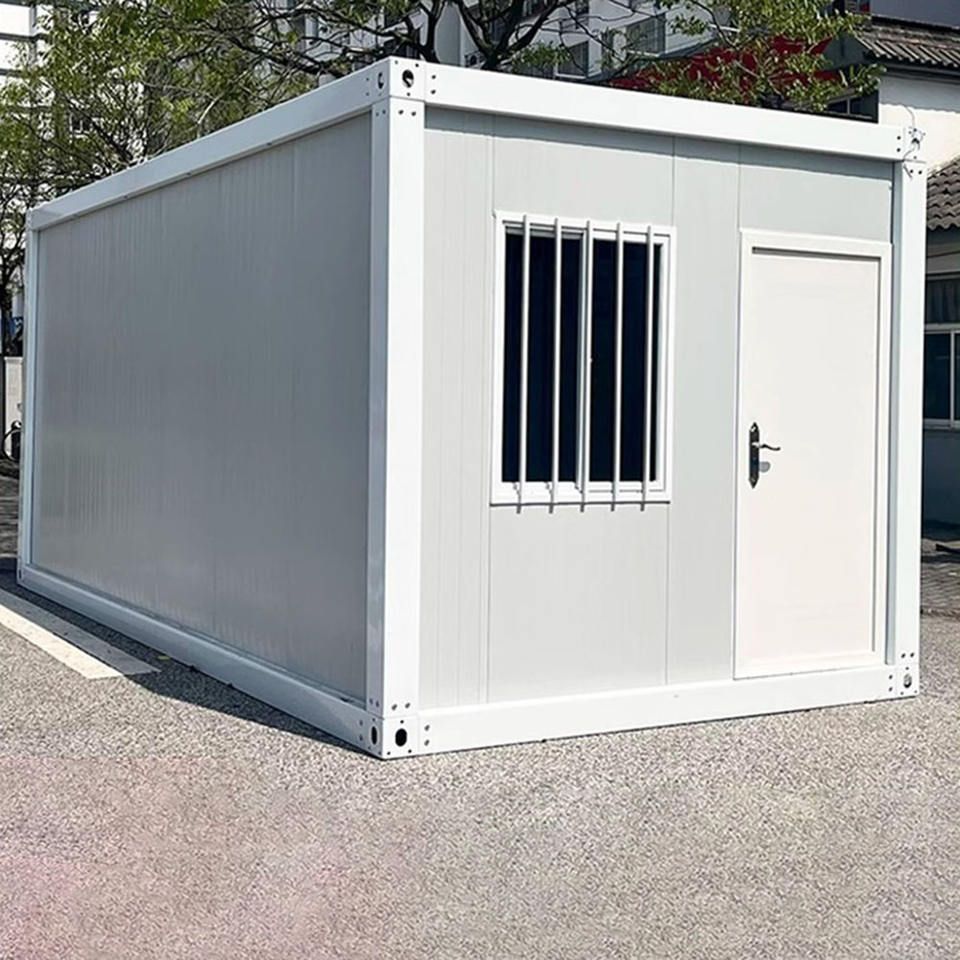
1. Classification by Structural Form
- Single-Unit Mobile Toilets
Composed of a single independent compartment, these toilets are compact in structure and occupy a small area, making them suitable for temporary locations with dispersed foot traffic, such as park corners, construction sites, or small event venues. Their design focuses on basic functions, typically including a toilet, flushing mechanism (some are waterless), and a simple ventilation system. - Modular Mobile Toilets
These toilets are constructed by assembling multiple toilet units through modular design, allowing for flexible expansion to meet high foot traffic demands. Common configurations include multiple independent compartments, sinks, urinals, and even management rooms, suitable for large events, tourist attractions, or transportation hubs. The modules are connected with bolts or clips for quick assembly and disassembly.
2. Classification by Special Needs
- Barrier-Free Mobile Toilets
Designed specifically for the disabled, elderly, and those with mobility issues, these toilets are equipped with ramps, handrails, low-position toilets, and emergency call devices. The toilet compartments are spacious and comply with barrier-free design standards, reflecting humanistic care. - Eco-Friendly Mobile Toilets
These toilets utilize microbial degradation, foam sealing, or recirculating water flushing technologies to reduce water consumption and sewage discharge. For example, microbial degradation toilets decompose excreta into harmless substances through bacterial colonies, while recirculating water flush toilets purify sewage through filtration systems to enable water reuse. - Luxury Mobile Toilets
These toilets are equipped with air conditioning, lighting, ventilation fans, audio systems, and even decorative panels, providing a comfortable restroom environment. They are often used in high-end events, exhibitions, or temporary commercial venues, balancing functionality with aesthetics.
3. Classification by Mobility Method
- Lifting and Handling Mobile Toilets
These toilets rely on forklifts or cranes for overall handling. They have a sturdy structure but lower mobility flexibility, making them suitable for short-term fixed use scenarios, such as construction sites with long construction periods. - Powered and Trailer-Mounted Mobile Toilets
These toilets come with their own power system (such as an engine) or can be towed behind a vehicle, offering convenient mobility. They are suitable for locations requiring frequent relocation, such as music festivals, sports events, and other temporary activities.
4. Classification by Sewage Treatment Approach
- Water-Flush and Waterless Suction Mobile Toilets
Water-flush toilets use water from a tank for flushing, with waste discharged into a septic tank. Waterless toilets use foaming agents or gravity sealing to reduce odors, with waste requiring periodic suction for disposal, suitable for water-scarce areas. - Recirculating Water Flush Mobile Toilets
These toilets purify sewage through physical or biological filtration technologies to enable recirculating water flushing, significantly reducing water consumption. They are suitable for scenarios with water scarcity or high environmental protection requirements.



