
Structure of Mobile Toilets 6
The structure of mobile toilets mainly includes six core components: frame structure, wall materials, roof design, internal facilities, sewage disposal system, and door lock and privacy design.
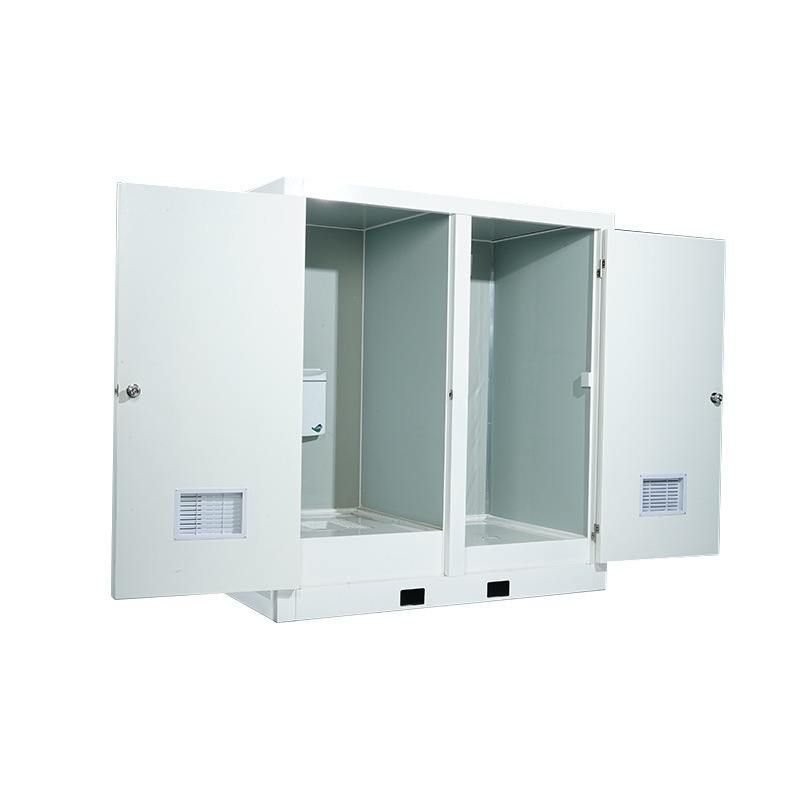
The frame structure serves as the foundational support for mobile toilets, typically utilizing steel or aluminum alloy frames. Steel frames offer high strength and stability, capable of withstanding significant external impacts, making them suitable for long-term use or scenarios requiring high stability. Aluminum alloy frames, on the other hand, are lightweight and corrosion-resistant, facilitating easy transportation and installation, and are commonly used in temporary events or locations requiring frequent relocation.
The selection of wall materials emphasizes waterproofing, corrosion resistance, and thermal insulation. Common options include color-coated steel sheets, stainless steel sheets, or composite materials. Color-coated steel sheets are relatively inexpensive and offer good waterproofing and thermal insulation, making them a popular choice. Stainless steel sheets provide superior corrosion resistance, suitable for harsh environments. Composite materials combine the advantages of multiple materials, offering superior performance but at a higher cost.
Roof design comes in two forms: flat and pitched. Pitched roofs facilitate drainage, effectively preventing water accumulation and reducing the risk of roof leakage, making them suitable for regions with high rainfall. Flat roofs, on the other hand, are more convenient for stacking and transportation, saving space and improving transportation efficiency when a large number of mobile toilets need to be transported together.
Internal facilities are crucial for the functionality of mobile toilets. These include toilets, available in both squat and sit types, allowing users to choose based on their needs; washbasins for hand cleaning; mirrors for grooming; ventilation systems such as exhaust fans to promptly remove odors and maintain fresh air; and lighting fixtures to provide sufficient light for user safety.
The sewage disposal system varies depending on the usage scenario, including direct discharge, packaging, or biodegradation methods. Direct discharge systems are suitable for locations with complete sewage pipelines, allowing direct discharge of wastewater into the pipelines. Packaging systems use special packaging devices to seal and package feces and other waste for subsequent treatment. Biodegradation systems utilize microorganisms to decompose waste, achieving environmentally friendly discharge.
Door lock and privacy design are essential for protecting user rights. A well-designed door lock ensures the privacy and safety of users inside the toilet, preventing external interference.



