
Structure of Mobile Toilets
The structure of mobile toilets primarily consists of four core components: the main frame structure, internal functional zoning, waste storage and treatment system, and ventilation and lighting design.
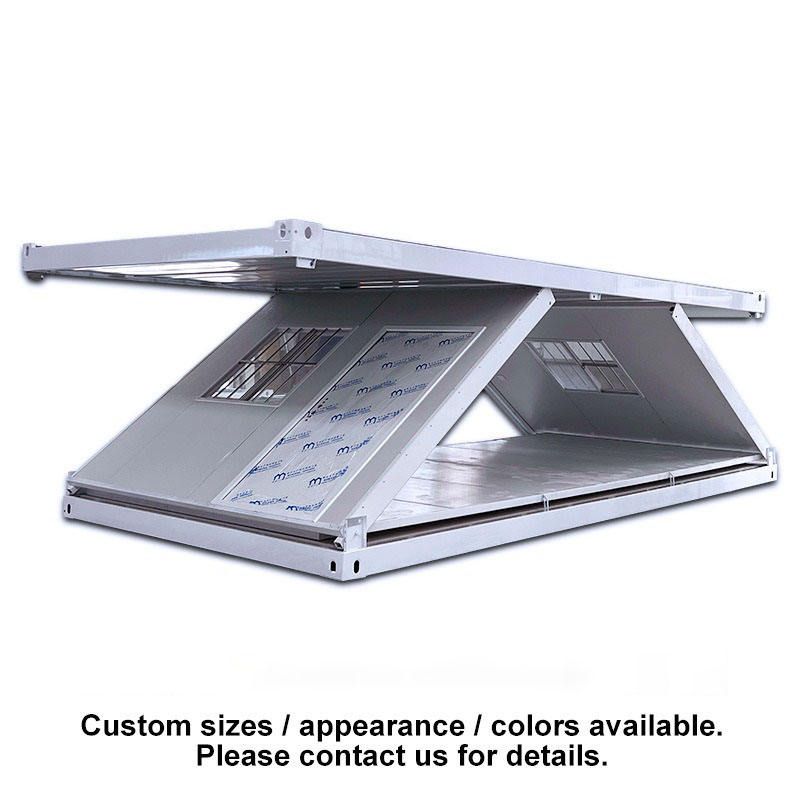
The main frame structure serves as the foundational support for mobile toilets. It typically employs lightweight yet sturdy materials such as steel or aluminum alloy to ensure overall structural stability while facilitating easy transportation and installation. The frame design must consider load-bearing and wind-resistance capabilities, with the exterior covered in durable panels like color-coated steel sheets or composite materials that offer rust and corrosion resistance, adapting to complex outdoor weather conditions. The entire structure adopts a modular design, allowing for standardized production of components that can be quickly assembled or disassembled to meet flexible deployment needs in various scenarios.
Internal functional zoning achieves clear division within limited space, generally including a toilet area, a handwashing area (in some configurations), and storage space. The toilet area is equipped with portable or fixed toilets of various types, some connected to bottom waste storage tanks and others utilizing advanced degradation technologies. Walls may be fitted with small accessories like toilet paper holders and handrails to enhance convenience. The handwashing area typically features a small sink paired with a water-saving faucet, with some models employing manual pumps or pressure-based water supply systems to reduce reliance on external water sources.
The waste storage and treatment system is crucial for the hygiene and environmental performance of mobile toilets. Common systems include waste storage tanks, chemical treatment, or biological degradation units. The waste storage tank, located at the bottom of the toilet, is made of corrosion-resistant materials like polyethylene to collect waste. Some mobile toilets incorporate degradation agents to break down solid waste and reduce odors. In recent years, microbial degradation technology has gained attention for its ability to convert waste into harmless substances under natural conditions. Waste tank cleaning is typically performed using specialized suction trucks, with standard interfaces designed for easy operation.
Ventilation and lighting design directly impact user comfort. The ventilation system usually includes roof exhaust fans or sidewall louvers to promote air circulation, preventing internal stuffiness and odor accumulation. Some high-end models integrate solar-powered fans for energy-efficient operation. For lighting, in addition to relying on natural light introduced through door glass or transparent panels, internal lighting fixtures are installed to ensure normal use at night or in low-light conditions, enhancing the overall user experience.



