
Mobile Toilet Station
A mobile toilet is a facility that can be moved as a whole and provides temporary or permanent toilet services to the public. The following is an introduction from several aspects including composition, classification, characteristics, and origin and application:
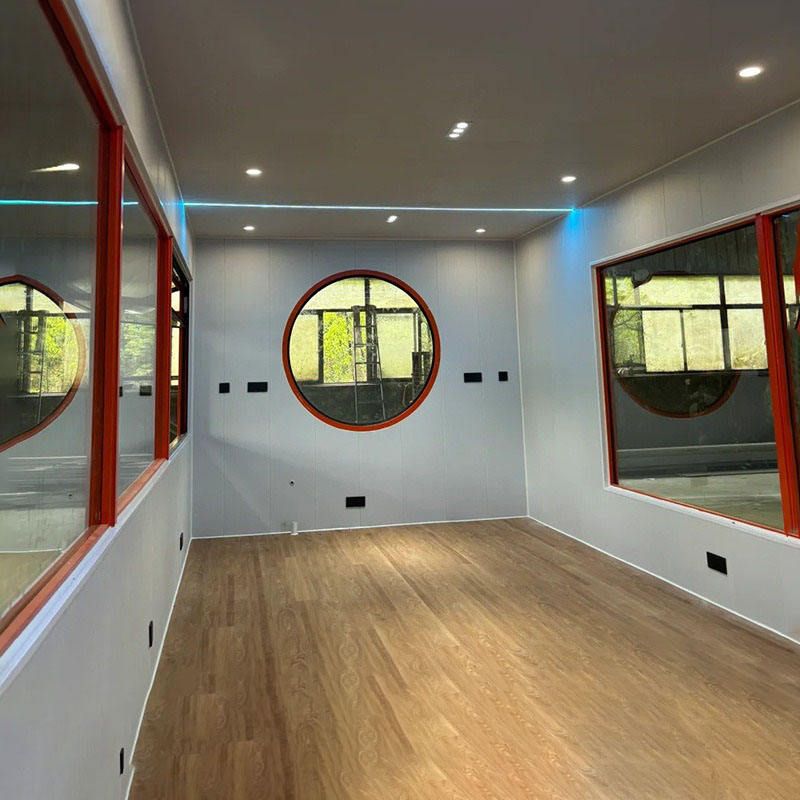
Composition: A mobile toilet generally consists of multiple parts. The fecal sewage storage tank (or fecal sewage treatment device) is used to collect and treat excreta; the floor provides a stable standing and moving space; sanitary ware such as toilets meets basic toilet needs; walls serve to isolate and protect privacy; washing equipment facilitates user cleaning; a water tank supplies water for flushing and other operations; the roof provides shelter from wind and rain; and the moving device ensures that the entire unit can be moved.
Classification:
- By structural form: Mobile toilets can be divided into single-structure mobile toilets and composite-structure mobile toilets. Single-structure ones are relatively simple and independent, while composite-structure ones may be more complex and diverse in terms of function or space combination.
- By moving method: There are lifting and handling-type mobile toilets, which usually require equipment such as cranes for movement; and powered and trailer-type mobile toilets, which have their own power or can be towed by vehicles, making movement more flexible and convenient.
- By sewage treatment method: Mobile toilets are classified into water-flushing and waterless suction-type mobile toilets. Water-flushing types are similar to traditional toilets, using water to flush away excreta, while waterless suction types are treated with suction equipment; circulating water-flushing mobile toilets can recycle the flushing water to save water resources; and dry-packing mobile toilets package excreta in a dry form without using water.
Characteristics: Mobile toilets have significant advantages. They can be conveniently transported to any place where toilets need to be set up, whether it is remote areas, large-scale event venues, or temporary construction sites. Moreover, they can be used repeatedly and have characteristics such as mobility, combinability, and ease of transportation, allowing for flexible adjustment of their positions and quantities according to actual needs.
Origin and application: Mobile toilets originated from people's temporary and periodic needs for toilets in certain situations. Due to the shortage and improper layout of urban public toilets, the government has placed mobile public toilets in areas where it is relatively difficult to build fixed public toilets to make up for the deficiencies in the quantity and layout of public toilets, effectively solving the toilet problems in specific scenarios.



