
Mobile Toilet Standards
The standards for mobile toilets cover aspects such as height, materials and structure, internal facilities, sewage treatment methods, dimensions, and other standards, as detailed below:
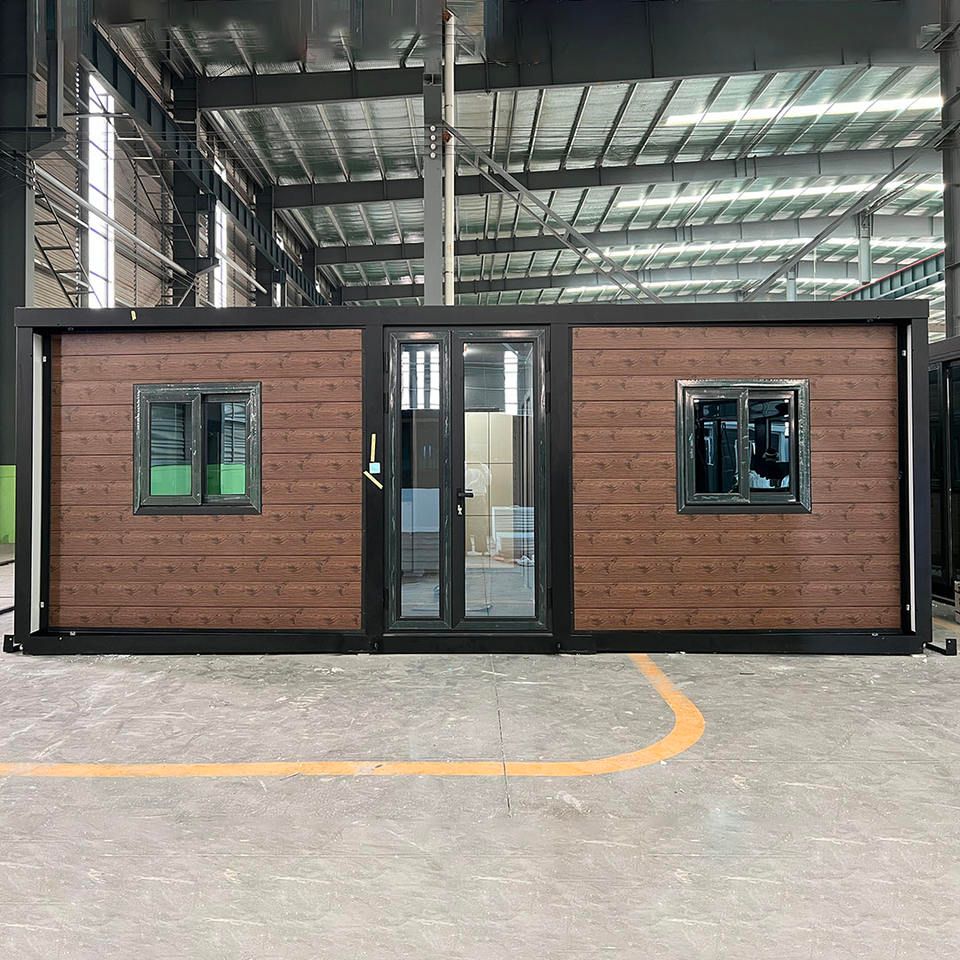
Height: Mobile toilets are typically designed to be within 4 meters in height. This height limit primarily takes into account transportation safety and road passage requirements, ensuring that safety issues do not arise due to excessive height during transportation and that they can smoothly pass through various road height restriction areas.
Materials and Structure: The frame is welded using national standard steel, with the surface covered with anti-corrosion and fire-resistant materials such as color-coated steel plates or carved panels, providing a service life of over 20 years. The main structure is welded using national standard light steel keels, meeting the requirements for overall hoisting. The exterior wall materials offer a variety of options and can be selected according to customer requirements or the surrounding environment of the usage location, including color-coated steel plates, metal carved panels, anti-corrosion wood, stainless steel plates, and aluminum-plastic panels.
Internal Facilities: The standard height of a toilet seat is between 40 and 45 centimeters, allowing the knees to bend naturally and reducing abdominal pressure; in barrier-free scenarios, toilet seats must be equipped with safety handrails. The height of a urinal for adults is approximately 60 centimeters, while for children's usage scenarios (such as kindergartens), a height of about 45 centimeters is recommended. The height of a washbasin is generally between 80 and 85 centimeters, and a showerhead should be between 1.9 and 2.1 meters. Standard configurations include a toilet bowl (urinal), clothes and hat hooks, a vanity mirror, a waste paper basket, lighting, an exhaust fan, a door lock, and an occupancy indicator light; optional configurations include heating and cooling air conditioners, air purifiers, anti-freeze systems, heating systems, background music, washbasins, and water-saving faucets.
Sewage Treatment Methods: They can be divided into water-flush and waterless suction types, circulating water-flush types, and dry packing types. The circulating water-flush type is equipped with an intermittent aerobic and anaerobic sewage treatment device for fecal matter, with the addition of biological strains and the use of biofilm technology to accelerate decomposition. The treated water can be recycled for flushing; the dry packing type is a waterless flushing device where excreta is received by biodegradable plastic bags, which are automatically replaced after use and collected centrally for treatment. Other common technical types include foam sealing types, packing types, water-saving flush types, waterless rechargeable types, and microbial types.
Dimensions: The standard dimensions of the equipment are 1100*1100mm in width and length, with a height of 2000mm, balancing practicality and compactness in the interior space.
Others: Mobile toilets must comply with the GBLT18091-92 standard.



