Square Tube Structure of Mobile Toilet
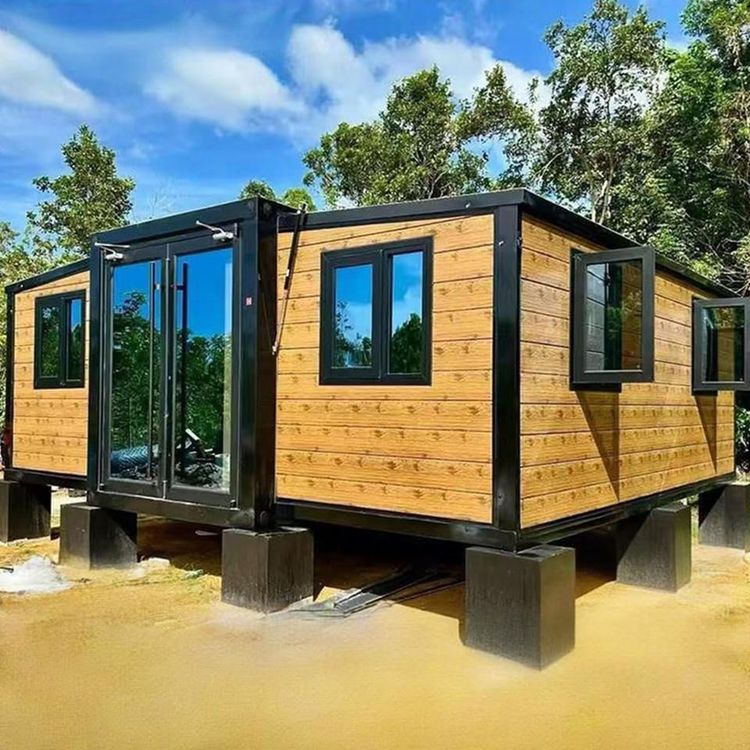
The square tube structure of a mobile toilet is the core of its frame design, typically utilizing galvanized square tubes or aluminum alloy materials, which are welded to form a high-strength support system that combines stability, impact resistance, and mobility.

Square Tube Material and Specification Selection
The material of the square tubes in a mobile toilet directly affects its durability and environmental adaptability. Galvanized square tubes, with their zinc coating, offer rust and corrosion resistance, making them suitable for humid or rainy regions and extending the structural lifespan. Aluminum alloy square tubes, known for their lightweight and high strength, are ideal for scenarios where weight sensitivity or frequent relocation is required. In terms of specifications, the size of the square tubes needs to be customized according to the usage environment. For example, in cold regions (such as Fushun), 80×80×1.2 mm square tubes are used, with their cross-sectional dimensions and wall thickness ensuring long-term stability under snow and wind loads, preventing deformation due to low-temperature embrittlement or external impacts. Additionally, the thickness of the square tubes is a crucial parameter; for instance, 10 mm thick plates can effectively resist external impacts and enhance overall damage resistance.
Structural Design and Functional Implementation
The square tube structure forms a frame-type support system through welding, with design considerations for both strength and functionality. The welding combination of columns with bottom channel steel or I-beams is a common approach, providing vertical support for the toilet body while meeting lifting requirements through the bottom structure for easy transportation and redeployment. For example, the steel frame of the Yanchang brand has a load-bearing range of 100 kg to 1000 kg, with reinforced welding joints between the square tubes and bottom I-beams to distribute load pressure and avoid local stress concentration. Furthermore, the frame design must consider wind and earthquake resistance, enhancing overall rigidity by optimizing the layout of the square tubes (such as adding diagonal braces or cross-reinforcements) to ensure structural integrity under extreme weather or earthquake conditions.
Environmental Adaptability and Maintenance Advantages
The modular design of the square tube structure enables adaptation to different climates and geographical conditions. In cold regions, thicker square tubes (such as 10 mm) reduce the risk of material embrittlement due to low temperatures; in coastal or high-humidity areas, the rust resistance of galvanized square tubes reduces maintenance frequency. Additionally, the frame-type structure facilitates disassembly and reassembly; if a part of the square tube is damaged by external forces, it can be replaced individually without affecting the overall stability, significantly reducing long-term usage costs.