Specifications for Mobile Toilets
The specifications for mobile toilets cover three core aspects: structural classification, sewage treatment methods, and rental and usage management. The specific requirements are as follows:

I. Structural Forms and Classification Specifications
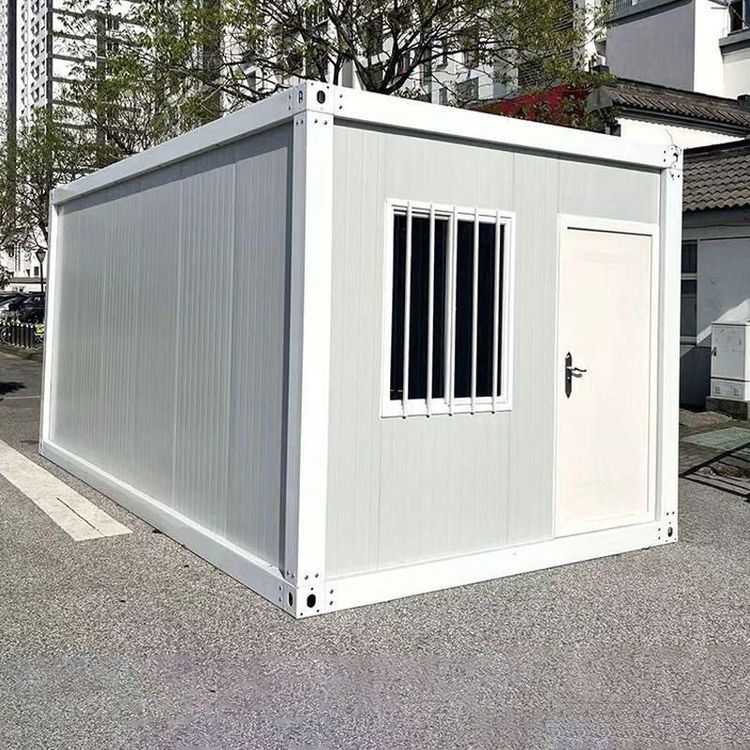
Mobile toilets are classified into two types based on their structural forms: single-unit structures and composite structures. Single-unit structures are typically independent units suitable for small-scale scenarios or temporary supplements. Composite structures consist of multiple units combined and can be expanded to include multiple toilet stalls and multifunctional areas (such as management rooms and accessible stalls), making them suitable for large events or long-term use. The structural design must meet stability requirements to ensure no tipping or deformation occurs during transportation, installation, and use.
II. Sewage Treatment Method Specifications
Based on sewage treatment technology, mobile toilets are categorized as follows:
- Flush-type: Water is supplied from a tank for flushing, and feces are discharged into a septic tank or municipal sewer system. Regular cleaning of the septic tank and ensuring smooth drainage are required.
- Waterless vacuum/gravity suction type: Feces are collected by vacuum suction or gravity and stored in sealed containers. Regular transportation and treatment by specialized vehicles are necessary, making this type suitable for areas with water scarcity or high environmental protection requirements.
- Recirculating water type: Sewage is treated using biodegradation or physical filtration technology to achieve water recycling. Specialized purification equipment is required, along with regular maintenance to ensure water quality meets standards.
III. Rental and Usage Management Specifications
- Pre-rental Preparation: Clearly define the usage scenario (such as exhibitions, construction sites, or scenic spots) and the scale of demand. Determine the number and type of toilets to rent based on site conditions (area, terrain, water and electricity access). It is recommended to communicate with the rental provider 3-5 days in advance to confirm equipment functionality, transportation, and installation plans.
- Location and Layout Requirements: Toilets should be placed in well-ventilated, dry areas close to water sources, away from kitchens and garbage disposal areas to avoid odor cross-contamination. The ground should be hardened or covered with anti-slip mats to prevent damage from vehicle碾压 (crushing). Accessible toilet stalls should have clear signage, with more than 1.5 meters of clearance space around them to ensure wheelchair maneuverability.
- Daily Maintenance and Safety: The rental provider must conduct at least one daily maintenance visit, including replacing toilet paper and hand soap, and cleaning feces and garbage. The using unit should appoint a dedicated person to supervise cleaning quality and immediately contact repairs if blockages or damages are found to avoid disrupting normal use.
- Usage Prohibitions: Do not dispose of cigarette butts, metal objects, or large pieces of garbage in the toilets to prevent pipe blockages or equipment damage. Avoid mixing chemical cleaners with the existing deodorization system to prevent the generation of harmful gases. Children should be accompanied by adults when using the toilets to prevent accidental falls into the water or slipping.
These specifications aim to ensure the functionality, safety, and environmental friendliness of mobile toilets. Users must strictly adhere to them to avoid operational risks.