Mobile Toilet: Smart and Practical
Mobile toilets indeed possess smart and practical features, primarily reflected in the following aspects:

1. Smart Functional Configuration
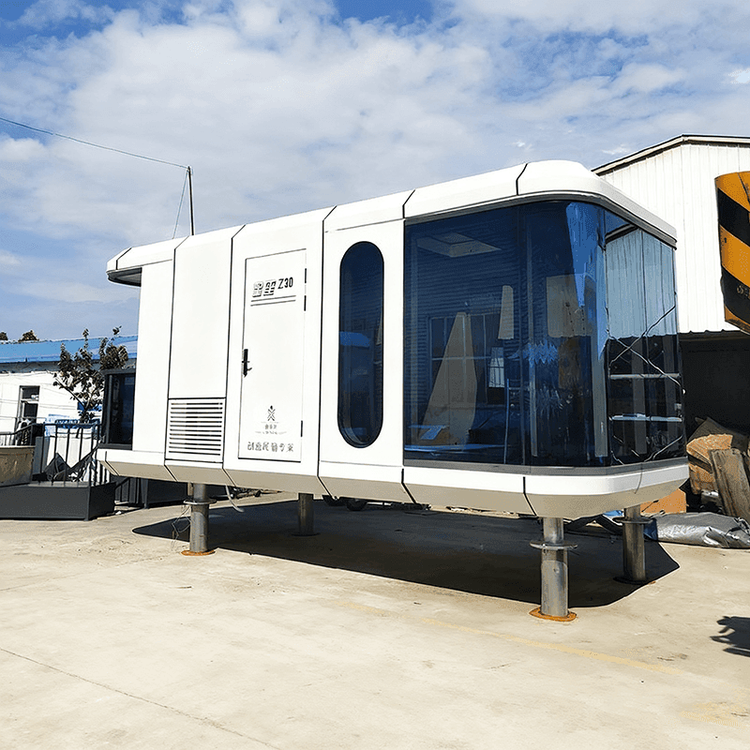
Some mobile toilets achieve automated operations by incorporating smart systems. For instance, smart public toilets designed with U-shaped Apple Pods feature automatic lighting devices that can turn on or off based on ambient light or human presence, reducing energy waste. Sensor-activated handwashing equipment triggers water flow through infrared or capacitive sensors, avoiding direct contact and enhancing hygiene levels. Additionally, some high-end models integrate smart mirrors that display weather, time, and other information, and even offer defogging and makeup lighting functions; breathing light systems optimize the user experience by adjusting light brightness and color.
2. Modular Design and Convenience
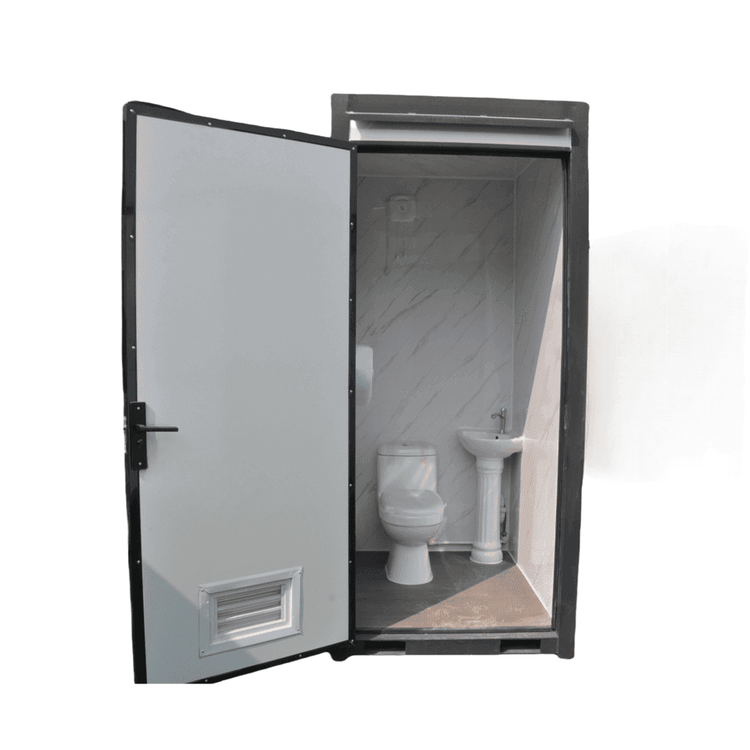
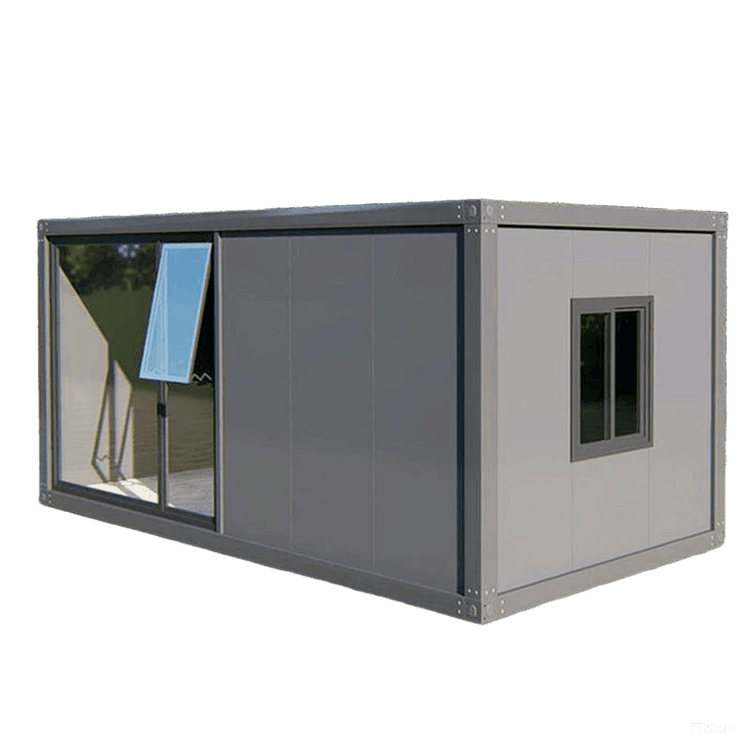
Mobile toilets adopt a modular structure composed of fecal sewage storage tanks (or disposal units), floor slabs, sanitary fixtures, walls, washing equipment, water tanks, roofs, and mobility devices. This design endows them with movable and combinable characteristics, allowing them to be transported by trucks to remote areas or temporary event venues, and quickly disassembled and reassembled according to needs. For example, factory-prefabricated small smart public toilets can be directly hoisted to the target location and used immediately after installation, significantly shortening the construction period.
3. Environmental Protection and Resource Recycling
Smart mobile toilets emphasize environmental performance. Some models are equipped with fecal sewage storage tanks that prevent odor leakage through sealed designs and employ biodegradation or chemical treatment technologies to reduce pollution; some high-end products even integrate fecal sewage disposal units for on-site treatment and resource utilization. Furthermore, water-saving designs (such as sensor faucets) and the application of solar power systems further reduce reliance on external resources, aligning with sustainable development principles.
4. Adaptability to Diverse Scenarios
The smart and practical features of mobile toilets make them suitable for various scenarios. In tourist attractions, large-scale events, or disaster relief sites, their rapid deployment capabilities effectively address temporary toilet needs; in remote areas or regions without municipal sewage networks, their standalone designs provide stable sanitation services. Meanwhile, sturdy and aesthetically pleasing exterior wall materials (such as metal or composite panels) and user-friendly interior layouts also enhance user acceptance and comfort.
In conclusion, mobile toilets demonstrate their practical value as modern sanitation facilities through smart functions, modular design, environmental technologies, and scenario adaptability.