
Slanted Roof Mobile Toilet
The slanted roof design of mobile toilets offers features such as aesthetic adaptability, efficient drainage, and optimized structural functionality.
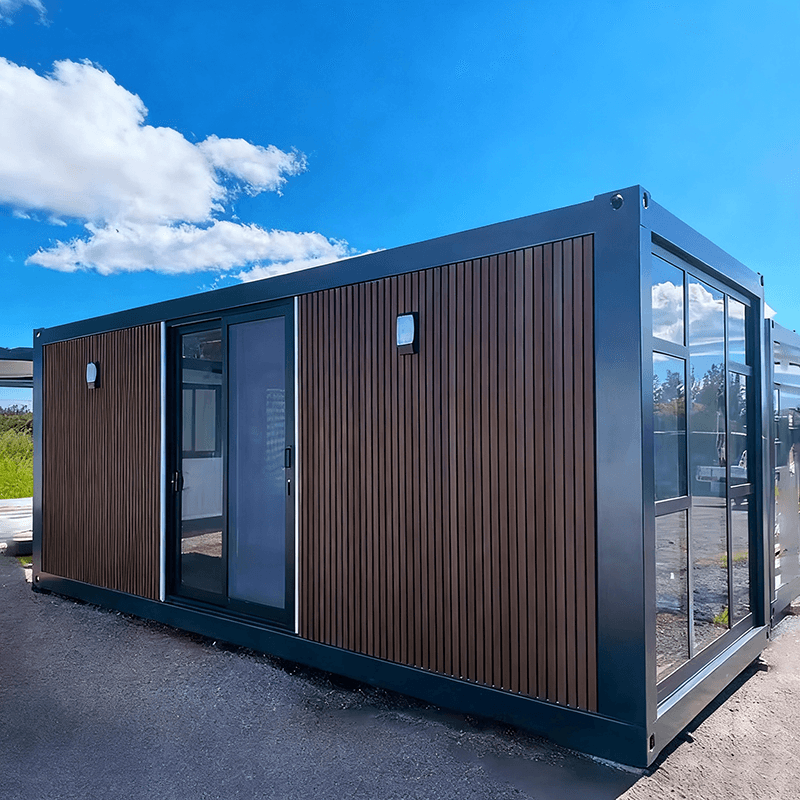
1. Aesthetic and Environmental Adaptability
The slanted roof design breaks away from the traditional square shape of mobile toilets, adding dynamic beauty through its sloping roof lines, which better aligns with the modern landscape design's need for 'natural integration'. In places like parks, scenic spots, or historic districts, the curvature or slope of the slanted roof can harmonize with surrounding buildings and terrain. For example, a slanted roof mimicking European architecture can be paired with wooden-textured finishes, or composite material exteriors can simulate stone textures, maintaining a natural visual effect while enhancing weather resistance through durable materials, reducing long-term outdoor exposure damage. This design elevates mobile toilets from 'functional facilities' to 'landscape elements', minimizing their visual impact on the environment.
2. Significantly Improved Drainage Efficiency
The slanted roof's angle (typically between 15° and 45°) allows rainwater or snow to slide off quickly along the slope, preventing water accumulation. In contrast, flat roofs, while convenient for stacking during transportation, rely on additional gutters or drainage pipes for water removal, which can lead to blockages and leaks over time. The 'self-cleaning' feature of slanted roofs reduces the risk of structural corrosion from roof water accumulation, making them particularly suitable for regions with heavy rainfall or snowfall, thereby extending the lifespan of mobile toilets.
3. Roof Structure and Functional Optimization
Some slanted roof designs enhance practicality through a double-layer structure: the outer layer uses waterproof materials (such as color-coated steel sheets or resin tiles), while the inner layer incorporates insulation (like foam boards or rock wool), effectively blocking the impact of high summer temperatures or cold winter weather on the interior environment. For instance, in areas with extreme weather conditions, double-layer slanted roofs can reduce energy consumption for air conditioning or heating, enhancing user comfort. Additionally, the slope design of slanted roofs facilitates the installation of solar panels, further expanding the environmental friendliness of mobile toilets.
4. Synergistic Innovation in Materials and Craftsmanship
Slanted roof designs often incorporate new materials. For example, European-style mobile toilets may feature slanted roofs with lightweight, high-strength alloy frames, ensuring structural stability while reducing overall weight for easier transportation and installation. The exterior walls are made of UV-resistant, corrosion-resistant composite materials, complementing the slanted roof's drainage performance to form a 'moisture-proof-corrosion-resistant-weather-resistant' protective system, adapting to complex outdoor environments.



