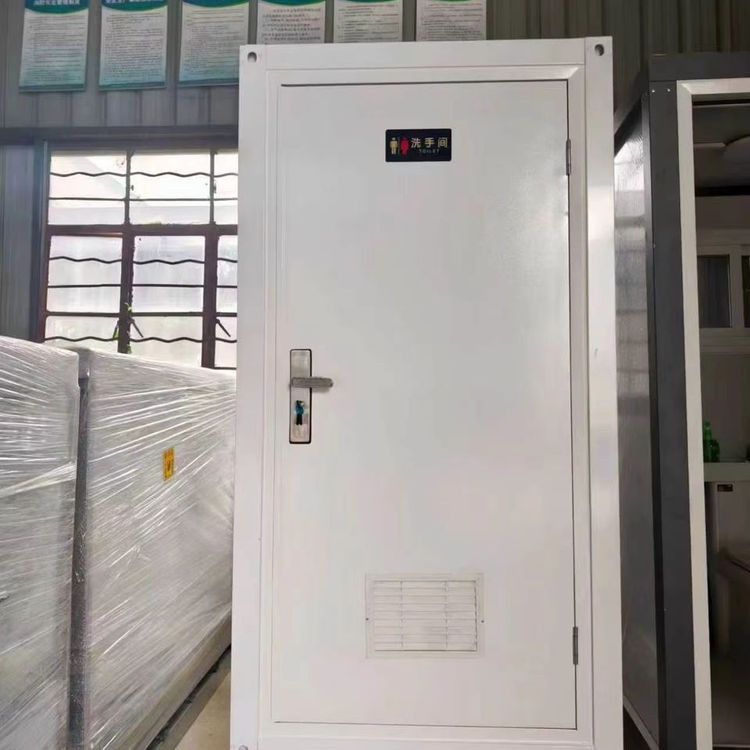
Recommendations for Skin Cleaning in Mobile Toilets
When cleaning your skin in mobile toilet scenarios, you can refer to the following principles for incontinence skin care to reduce irritation, prevent damage, and promote skin health:

Promptly clean up excreta
Components such as urea and enzymes in excreta can damage the skin barrier, causing redness or abrasions. Upon noticing excretion, immediately rinse with warm water (37-40°C) or a special mildly acidic cleanser to avoid mechanical damage caused by vigorous wiping. After cleaning, use a soft towel to gently pat dry instead of wiping to reduce friction and irritation, keeping the skin dry.Choose mild cleansing products
Avoid using wipes or alkaline soaps containing alcohol or fragrances, as these products can disrupt the skin's natural acidic environment (pH 5.5-6.5) and exacerbate irritation. It is recommended to use a mildly acidic cleanser with a pH close to that of the skin or plain water; for sensitive skin, choose cleansers containing moisturizing ingredients such as glycerin and ceramides, which can cleanse while maintaining the skin barrier function.Maintain local ventilation
After cleaning, do not immediately wrap the skin with a urine pad or diaper. Allow the skin to be exposed to the air for 10-15 minutes to accelerate moisture evaporation and reduce skin damage caused by a humid environment. If long-term use of a nursing pad is required, prioritize products with a cotton surface and strong water absorption and replace them every 2-3 hours to avoid prolonged contact between excreta and the skin.Apply barrier products
Apply a diaper rash cream containing zinc oxide or petroleum jelly to clean, dry skin to form a waterproof protective film and reduce direct contact between excreta and the skin. Zinc oxide has an astringent effect and is suitable for mildly red skin; petroleum jelly is suitable for dry, sensitive skin, but ensure even application and not too thick a layer to avoid affecting breathability.Avoid excessive use of baby powder
Traditional baby powder tends to clump when wet, and friction against the skin may worsen damage. If moisture absorption is needed, choose a natural baby powder containing starch ingredients (such as cornstarch), but apply it thinly and ensure the skin is completely dry before use to avoid the formation of irritating particles when the powder mixes with excreta.Repair damaged skin
If the skin shows slight redness or abrasions, use a repair cream containing vitamin B5 and hyaluronic acid to promote barrier repair; for broken skin, use an antibacterial ointment (such as mupirocin) as directed by a doctor. Do not apply irritating solutions such as alcohol or iodine on your own to avoid delaying healing or triggering allergies.