
How to Clean a Single Mobile Toilet Unit
Cleaning a single mobile toilet unit requires a balance of efficiency, safety, and environmental protection, with the core goals of eliminating odors, inhibiting bacterial growth, and preventing secondary pollution. Here are the specific steps:
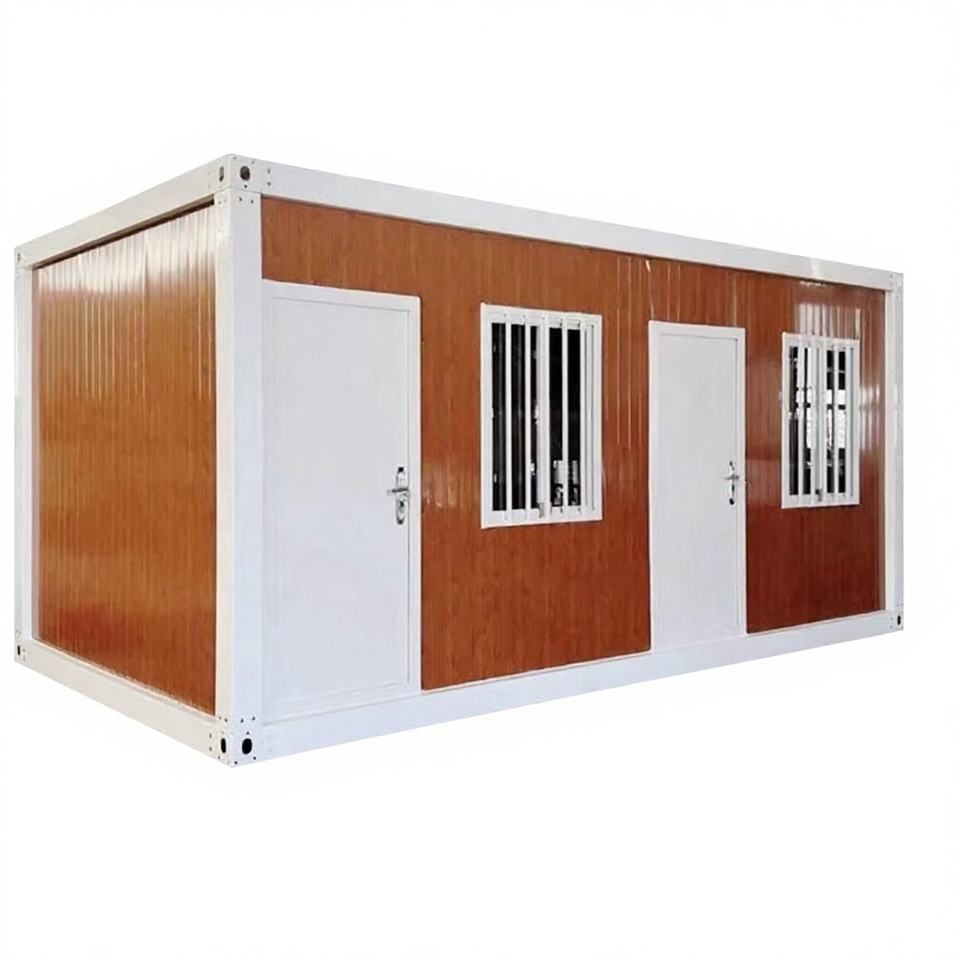
Selection of Cleaning Agents Opt for bio-enzymatic preparations over strong acid or alkaline cleaners. Bio-enzymatic cleaners achieve cleaning by catalyzing the decomposition of organic matter (such as proteins and fats in feces and urine). This not only avoids corrosion of the toilet unit's body but also reduces chemical residues that pollute the environment. Their action is gentle yet effective, making them particularly suitable for daily maintenance.
Cleaning of the Waste Storage Tank After emptying the waste storage tank, use a high-pressure water gun with a dedicated rotating nozzle to rinse the inner walls. The rotating nozzle generates a spiral water flow that covers dead corners in the tank, ensuring thorough removal of residual waste. After rinsing, allow it to air dry naturally or use a drying device to prevent bacterial growth in a humid environment.
Deodorization and Sterilization Regularly spray plant-based deodorizers. Their ingredients (such as tea tree oil and mint extracts) can neutralize odor molecules while inhibiting bacterial metabolic activity. Additionally, use a UV lamp to irradiate the interior space of the toilet for a short period (5-10 minutes). This can disrupt the DNA structure of microorganisms, significantly reducing the survival rate of pathogenic bacteria such as Escherichia coli and Staphylococcus aureus.
Technical Assistance Measures
- Vacuum Water-Saving Technology: Reduce the flushing volume through negative pressure suction, extending the full-load cycle of the waste storage tank and thus reducing the frequency of cleaning.
- Nano-Coating Materials: When coated on the surface of toilet fixtures, waste is less likely to adhere due to reduced surface tension. A simple rinse with water can clean it, reducing the use of cleaning agents.
Scenario-Specific Solutions
- Temporary Construction Sites: Use vacuum suction equipment to transfer waste to sealed containers to prevent leakage. Wipe contact surfaces with waterless foam cleaners to save water and prevent sewage overflow.
- High-Traffic Events: Rapid deodorizing sprays (containing activated carbon) can neutralize odors within 10 seconds. Combined with pre-installed cleaning pads (containing disinfectants), toilet stalls can be refreshed within 10 minutes.
- Ecological Toilets in Scenic Areas: Utilize microbial fermentation beds to decompose excreta. Regular stirring increases oxygen contact, promoting aerobic bacterial decomposition. Carbon-based filter layers adsorb residual ammonia, achieving cleaning with almost no external equipment.
By following these methods, a single mobile toilet unit can achieve a clean effect with no odors, no stains, and no harmful chemical residues, while also adapting to the needs of different usage scenarios.



