
Raw Materials for Mobile Toilet and Shower Rooms
The raw materials for mobile toilet and shower rooms mainly include four categories: main structural materials, interior decoration materials, auxiliary facility materials, and system support materials, as detailed below:
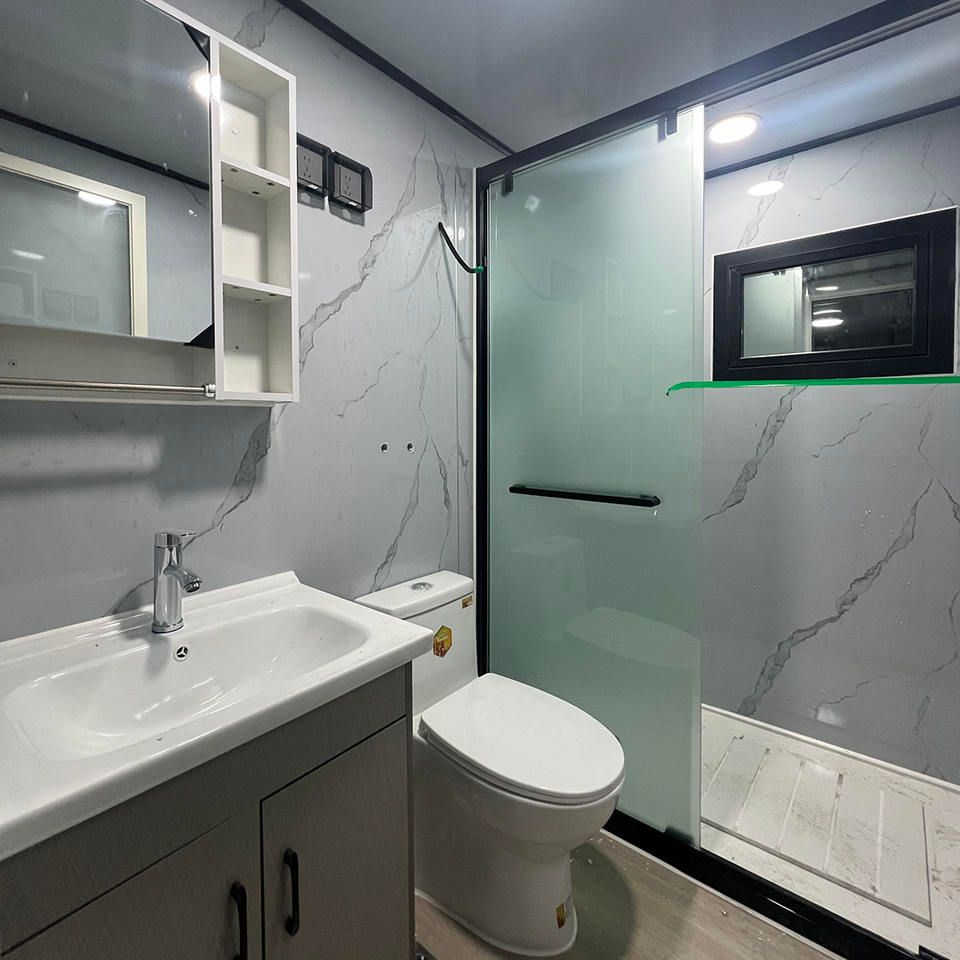
Main structural materials form the foundational framework of mobile toilet and shower rooms, requiring properties such as lightness, durability, and corrosion resistance. Metal materials, such as magnesium-aluminum alloys, light steel keels, national standard galvanized pipes, and thick galvanized alloy frames, are connected through welding or bolts to form stable structures suitable for long-term outdoor use. Plastic materials, like high-density polyethylene (HDPE), are lightweight, highly waterproof, and easy to clean, commonly used in temporary event settings. Fiberglass, composed of epoxy resin and glass fibers, is molded into colorful reinforced bases and wall panels, offering rust resistance, corrosion resistance, thermal insulation, and a smooth, easy-to-maintain surface. Color-coated steel sheets, aluminum-plastic panels, metal carved panels, and high-density anti-corrosion wall panels enhance weather resistance through surface treatment technologies while providing diverse aesthetic options.
Interior decoration materials directly impact user experience and safety. Wall and ceiling materials include imitation marble crystal panels, carved panels, aluminum-plastic panels, PVC扣板 (PVC ceiling panels), and fiberboards, all treated with waterproof coatings to effectively resist humid environments. Flooring materials primarily consist of anti-slip floors, with outdoor scenarios using anti-slip marble or special rubber materials designed with surface textures to increase friction and reduce slip risks. Stainless steel plates are utilized in high-humidity areas, such as shower partitions, leveraging their corrosion resistance to extend service life.
Auxiliary facility materials must meet both functional and durability standards. Sanitary ware, such as squat toilets and sit toilets, are often made of special ceramics or engineering plastics, featuring smooth surfaces for easy cleaning and impact resistance. Sinks are based on artificial stone or stainless steel; the former achieves water resistance through resin and mineral powder composites, while the latter enhances fingerprint resistance through brushing processes. Accessories like cosmetic mirrors, clothes hooks, and toilet paper holders are made of 304 stainless steel or engineering plastics, ensuring long-term use without rusting or deformation in humid environments.
System support materials are crucial for ensuring normal functionality. Sewage treatment systems employ septic tanks or biodegradation units, with main bodies made of high-density polyethylene (HDPE) or fiberglass, extended service life through anti-corrosion coatings. Ventilation systems feature exhaust fan housings made of ABS plastic or aluminum alloy, with exhaust ports equipped with stainless steel insect screens. Power supply systems utilize monocrystalline silicon solar panels, with batteries selected from lithium-ion or lead-acid types, balancing efficiency and safety. Roofing materials primarily consist of high-transmittance PC endurance plates or sunshine boards, achieving UV resistance and self-cleaning functions through UV coatings while ensuring ample indoor lighting.



