
Mobile Toilets Should Be Like This
A good mobile toilet should possess characteristics such as strong environmental adaptability, diverse and advanced treatment methods, a small footprint, intelligent management, and ecological cycling value.
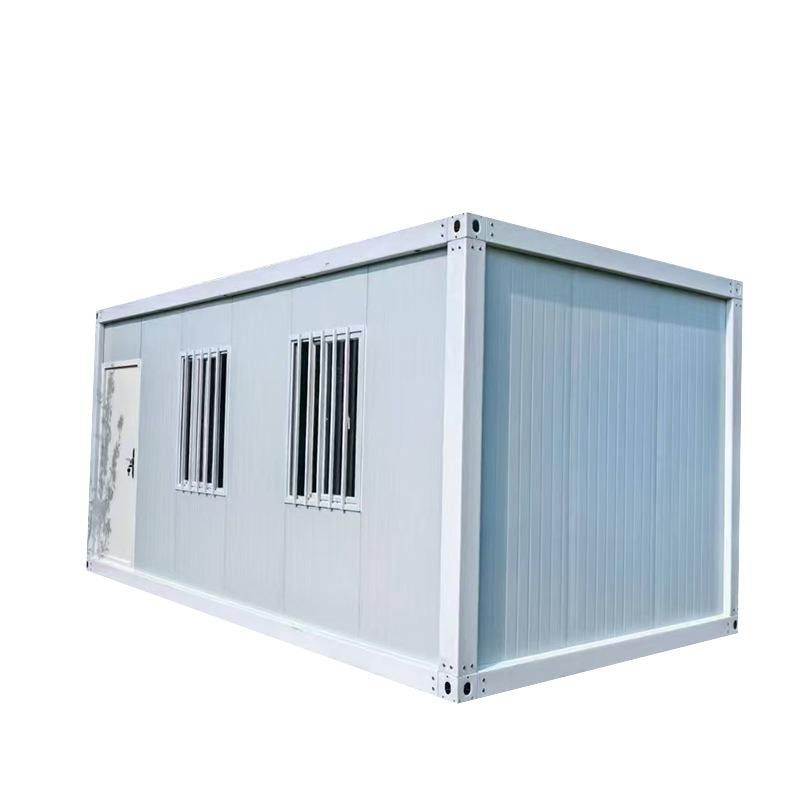
Strong environmental adaptability: Mobile toilets need to be able to adapt to changes in different venues, reducing resource waste caused by the relocation of fixed facilities. For example, in the high-altitude and oxygen-deficient regions of Tibet, products with freeze-proof and UV-resistant capabilities should be selected to ensure stable operation in extreme environments ranging from -20℃ to 40℃. This adaptability is not only reflected in temperature but also includes compatibility with different terrains and climatic conditions, ensuring normal use in various complex environments.
Diverse and advanced treatment methods: Mobile toilets should adopt appropriate treatment technologies based on the limitations of the usage environment. For instance, the waterless flushing biodegradation technology employs a microbial degradation method that is “waterless, odorless, and pollution-free,” completely eliminating dependence on sewer networks and water resources while converting fecal waste into organic fertilizer on-site. This technology not only conserves water and protects the environment but also reduces operation and maintenance costs and improves usage efficiency. In practical tests conducted at 10 key scenic spots in Sichuan, such toilets saved over 3,000 tons of water annually and reduced operation and maintenance costs by approximately 40%, fully demonstrating their advanced nature and practicality.
Small footprint: Compared to traditional fixed toilets, mobile toilets occupy less land resources. This feature gives them a significant advantage in venues with limited space, such as temporary event sites and scenic spots. Through optimized design, mobile toilets can minimize their footprint while ensuring functionality, thereby improving space utilization.
Intelligent management: Mobile toilets should be equipped with remote monitoring and data analysis functions, enabling real-time monitoring of foot traffic, energy consumption, and equipment failures, with a warning response time of less than 30 minutes. This intelligent management not only reduces the cost of manual inspections but also enables timely identification and resolution of issues, enhancing the user experience. Data analysis also provides strong support for subsequent optimization and improvements.
Ecological cycling value: Mobile toilets should possess fecal waste resource utilization capabilities, achieving “zero emissions” through microbial degradation technology. This ecological cycling value not only aligns with environmental protection concepts but also transforms waste into useful resources, promoting sustainable development.
You may also like

Portable Toilet Eco-Friendly: MOQ, Samples & Quotation Guide
Read More
Top Portable Toilet Color Steel Manufacturers: How to Choose a Factory Partner
Read MorePortable Toilet Picture: Types, Features & Buying Tips
Read More