
Mobile Toilet Sheet Metal Design
The sheet metal design of mobile toilets focuses on structural durability, material adaptability, and process reliability, achieving a balance between functionality and scenarios through scientific material selection and process optimization. The design highlights can be explored from the following three aspects:
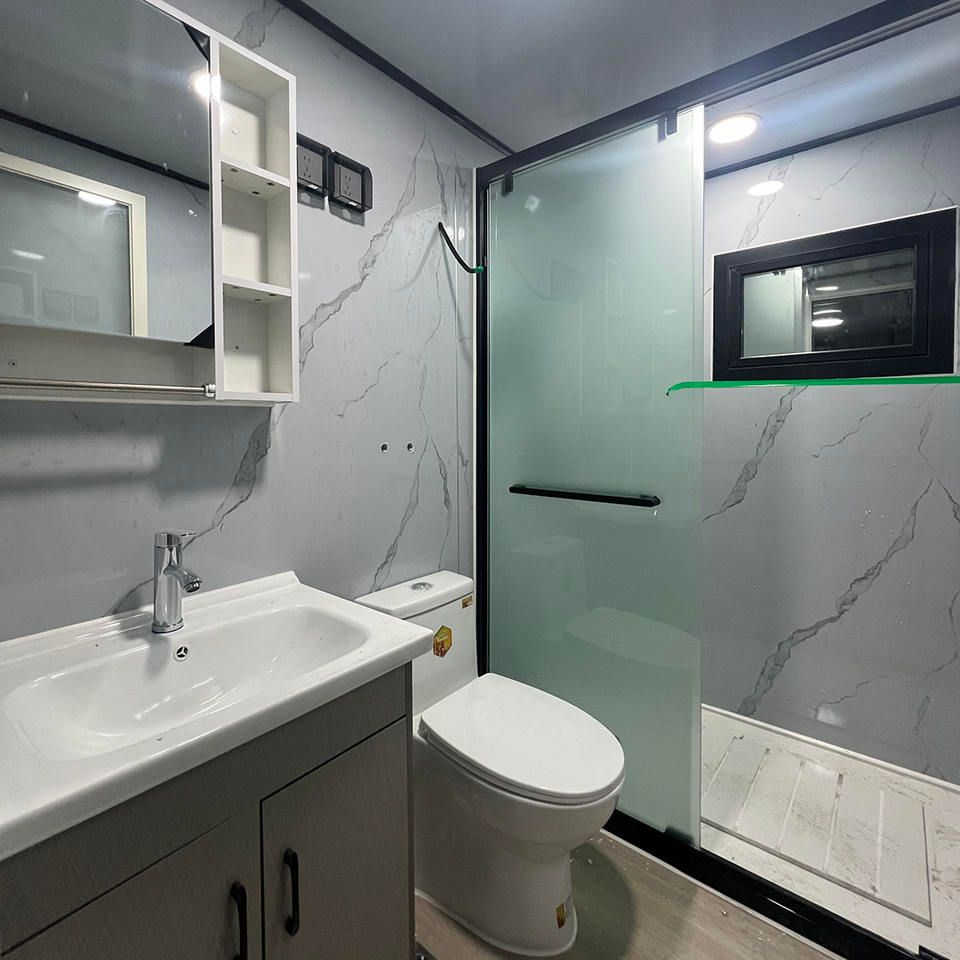
I. Material Selection: Balancing Strength and Weather Resistance
The main sheet metal materials for mobile toilets must meet the demands of long-term outdoor use. Metal carved panels are a common choice, optimizing performance through a multi-layer composite structure: the outer layer uses galvanized steel or aluminum alloy plates, coated with fluorocarbon or polyester paint to form a corrosion-resistant layer that can withstand ultraviolet rays, acid rain, and salt spray erosion; the middle layer is filled with polyurethane or rock wool insulation, regulating material deformation risks caused by temperature changes while enhancing thermal insulation to reduce the impact of extreme weather on the internal environment; the inner layer is typically galvanized steel or color-coated steel plates, providing structural support and preventing internal moisture corrosion. Additionally, depending on different scenario requirements, the exterior of the sheet metal can choose color-coated steel plates (low cost, rich colors) or anti-corrosion wood veneers (natural texture, suitable for scenic areas), further enhancing visual appeal and stain resistance through surface treatment processes like brushing or sandblasting.
II. Structural Process: Enhancing Sealing and Stability
The connection method of the sheet metal structure directly affects the durability of mobile toilets. Welding processes achieve framework integration by melting metal at high temperatures, offering three advantages over bolt connections: eliminating connection gaps to improve leak prevention and avoid internal corrosion from rainwater infiltration; enhancing overall structural rigidity to reduce deformation risks during transportation or use; and simplifying the assembly process to minimize on-site installation errors. For non-load-bearing parts (such as decorative panels), snap-fit or riveting processes can be used, ensuring connection strength while facilitating easy maintenance and replacement. Furthermore, the bending process of sheet metal must strictly control angle precision (typically within ±0.5°) to ensure tight fitting of components and prevent cracking due to stress concentration.
III. Scenario Adaptation: Balancing Functionality and Aesthetics
Sheet metal design must adjust details according to usage scenarios. For example, municipal public toilets need to emphasize durability and ease of cleaning, often using smooth color-coated steel surfaces to reduce dirt adhesion; scenic area mobile toilets should blend into the environment, using wood grain transfer printing processes or partial anti-corrosion wood decorations to reduce industrial feel; cold regions require increased sheet metal thickness (typically ≥2mm) and optimized insulation density to prevent low-temperature embrittlement; coastal areas need to select 316 stainless steel or thickened galvanized layers (≥120g/m²) to enhance salt spray corrosion resistance. Additionally, the sheet metal structure must reserve functional openings like maintenance ports and ventilation ports, ensuring sealing with waterproof strips or sealing gaskets to balance practicality and design integrity.



