Mobile Toilet and Shared Car
Mobile toilets and shared cars are two independent concepts, but shared cars were once jokingly referred to as 'mobile toilets' due to user misconduct. The following analysis is conducted from three aspects: concept, connection, and industry impact:

Core Definitions of Mobile Toilets and Shared Cars
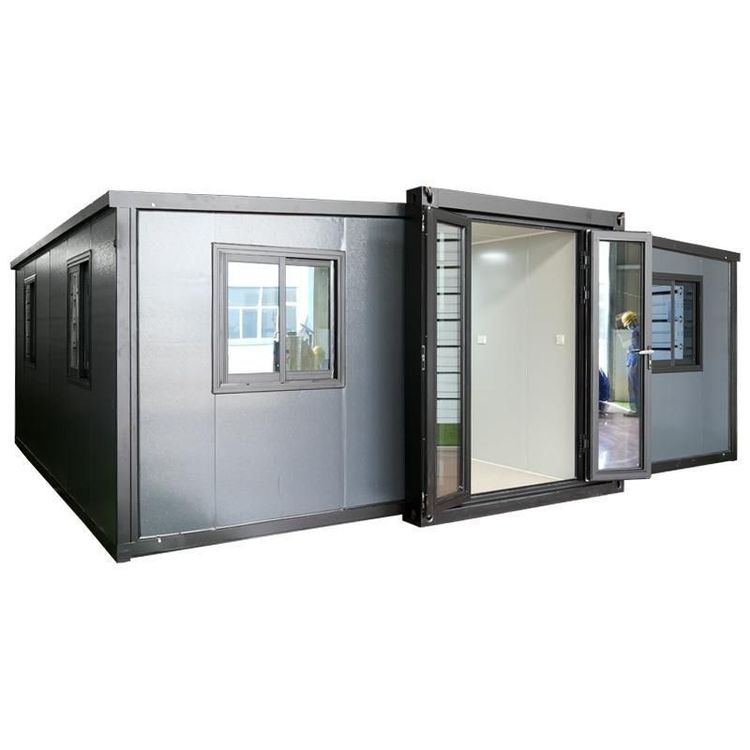
Mobile toilets typically refer to specially designed vehicle-mounted or bus-style sanitation facilities commonly found at large events, construction sites, or tourist attractions. They are equipped with independent sewage systems or portable sewage storage units and fall under the category of public sanitation facilities. Shared cars, on the other hand, are time-sharing car rental services based on the sharing economy model. Users complete registration, reservation, and unlocking processes through a mobile app and pay based on usage time or mileage. They were once considered 'the first car for young people'. The two have no direct connection in terms of functional positioning, usage scenarios, or technical standards.
Background of Shared Cars Being Jokingly Called 'Mobile Toilets'
The shared car industry experienced rapid growth from 2015 to 2018 but gradually declined due to operational model issues. The nickname 'mobile toilets' originated from user misconduct: some users treated the vehicles as temporary restrooms, defecating or discarding garbage inside, leading to deteriorating sanitary conditions. Even worse, some damaged the vehicle interiors or stole parts, increasing maintenance costs for operators. These behaviors not only impaired the experience of subsequent users but also directly increased operational pressure on companies.
Multiple Factors Contributing to the Decline of the Shared Car Industry
In addition to user behavior issues, the main reasons for shared cars exiting the market include:
- Heavy asset model: High costs for vehicle purchase, insurance, and parking, coupled with a long capital recovery cycle;
- Insufficient infrastructure: Scarcity of charging stations limits the operation of electric models, while tight parking spaces make scheduling difficult;
- Profitability challenges: The contradiction between low unit prices and high maintenance costs often leads to capital chain ruptures. In contrast, as specialized facilities, mobile toilets rely on centralized management by governments or enterprises, avoiding the decentralized risks of shared cars.
Industry Insights and Future Outlook
The shared car case demonstrates that the sharing economy model must balance user convenience and behavioral norms. Currently, some companies use credit-based deposit waivers and blacklist systems to regulate user behavior, while the mobile toilet sector enhances service quality through regular cleaning and intelligent monitoring technologies. Although unrelated, both need to address the balance between management efficiency and user experience in large-scale operations.