How Mobile Toilets Solve Sewerage Issues
There are several ways mobile toilets solve sewerage problems, including conventional flushing, vacuum sewerage systems, storage-type sewerage systems, and biodegradation technology.
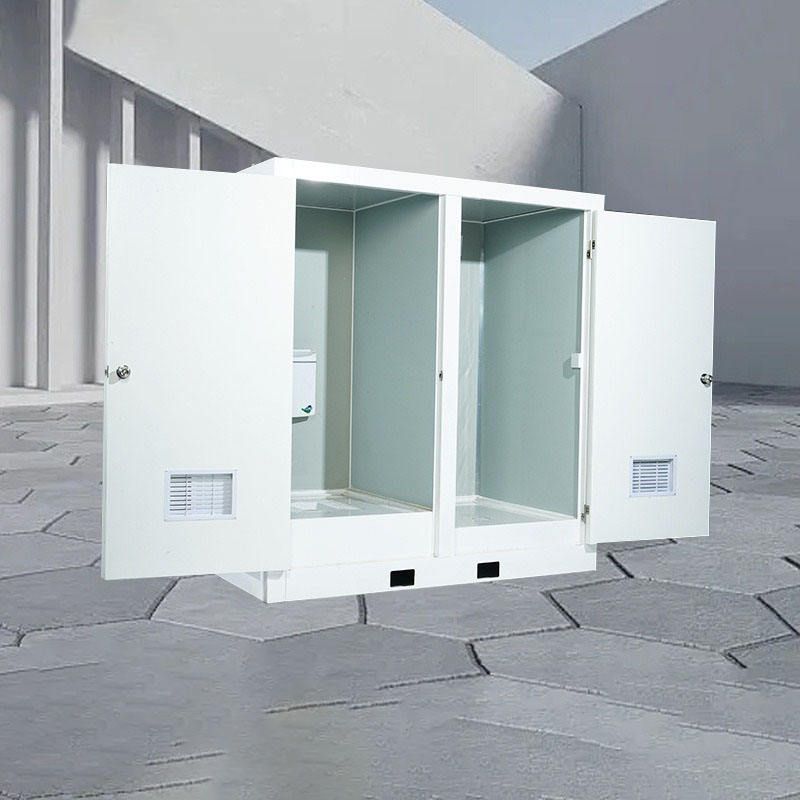
Conventional Flushing: This is the most common sewerage method for mobile toilets. It requires connection to water supply and drainage pipes, with manual or automatic sensing for waste disposal. After use, pressing the flush button or triggering the sensor allows clean water to flush waste into the drainage pipes, eventually reaching the septic tank or municipal sewer network. This method is suitable for various water-rich environments, such as city streets and parks, with relatively low construction costs, simple operation, and easy maintenance.
Vacuum Sewerage System: This system uses negative pressure for waste disposal. A vacuum pump generates negative pressure to quickly suck sewage and waste into a collection container. When the sewage in the toilet reaches a preset level, the vacuum pump automatically starts to complete the disposal process. This method is not only efficient but also uses minimal water, effectively preventing sewage leakage and odor diffusion, keeping the toilet clean and hygienic. It is particularly suitable for places with high hygiene requirements and limited water usage, such as tourist attractions and large event venues.
Storage-Type Sewerage System: This system also uses water flushing but discharges waste into a storage tank. When the sewage in the toilet reaches a preset level, i.e., the storage tank is full, it needs to be cleaned and replaced. This method is suitable for places with sufficient water supply and easy cleaning, such as some temporary construction site toilets or mobile toilets in remote areas. Although it requires regular cleaning of the storage tank, the operation is relatively simple and can meet basic sewerage needs.
Biodegradation Technology: Some high-end mobile toilets use biodegradation technology to treat sewage. This technology converts organic matter in sewage into harmless substances through specific microorganisms before discharge, which is environmentally friendly and reduces sewage pollution to the environment. It is suitable for places with high environmental protection requirements, such as ecological reserves and nature parks.