
Mobile Toilet Sewer Design
The sewer design of mobile toilets varies significantly depending on the type, mainly including flush-type, waterless suction-type, recirculating flush-type, and dry-packing-type, each with distinct sewer treatment methods.
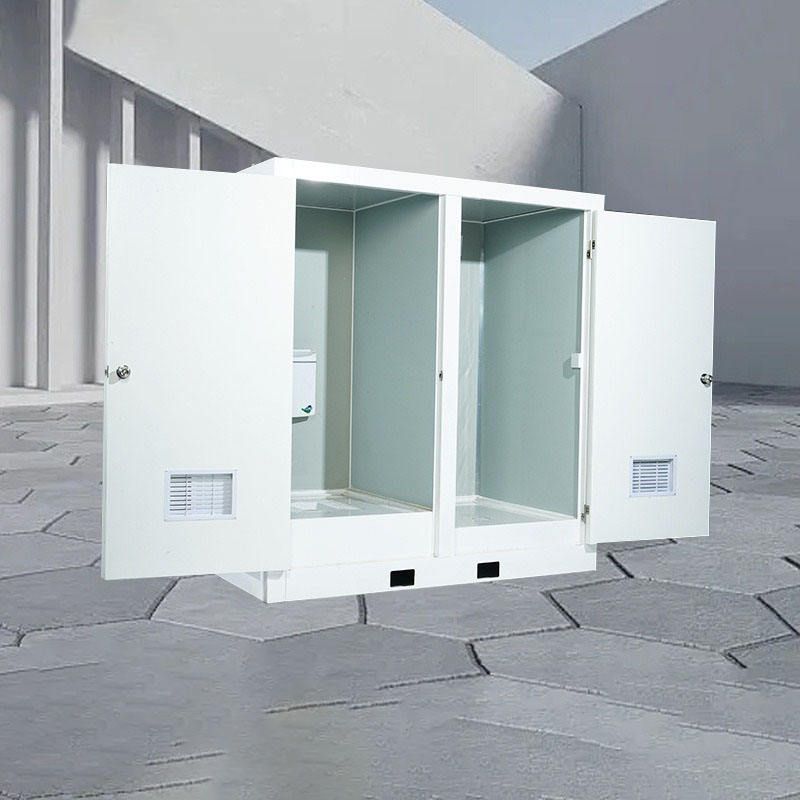
The sewer design of flush-type mobile toilets typically relies on a gravity-flush system equipped with a sewage tank and a foot pump. Users generate pressure by stepping on the pump, flushing clean water or recirculated water into the toilet bowl, with sewage flowing through pipes into the bottom sewage tank. This design requires regular cleaning of the sewage tank and installation of an exhaust pipe to vent odors and prevent excessive internal pressure from affecting usage. Some high-end models may use electric flushing systems, but the core principle remains based on a combination of gravity and pressure.
Waterless suction-type mobile toilets completely abandon water flushing, relying on vacuum pumps or negative pressure devices to directly suction feces and urine into a sealed storage tank. This design does not require sewer pipes and is suitable for scenarios with water scarcity or no drainage facilities, such as field construction sites and temporary installations for large events. The essence of its sewer treatment is 'dry suction,' and when the storage tank is full, it needs to be transported and treated by specialized vehicles.
Recirculating flush-type mobile toilets achieve water recycling through biodegradation or chemical treatment technologies. After fecal sewage enters the treatment device, it undergoes sedimentation, filtration, disinfection, and other processes to be purified into reusable water for subsequent toilet flushing. This design significantly reduces water consumption but requires regular maintenance of the treatment system to ensure water quality meets standards and avoid blockages or odor issues.
Dry-packing-type mobile toilets use biodegradable plastic bags or containers to directly collect feces without a flushing system. After use, feces are sealed in the bag, and when the storage tank is full, a new bag is replaced. This design has no sewer requirements but requires regular cleaning of the storage tank and proper disposal of waste, suitable for scenarios with extreme water scarcity or high environmental protection requirements.
In summary, the sewer design of mobile toilets should be comprehensively selected based on usage scenarios, water resource conditions, and environmental protection requirements, with the core goal of efficiently treating excreta and controlling odors to ensure hygiene and convenience.



