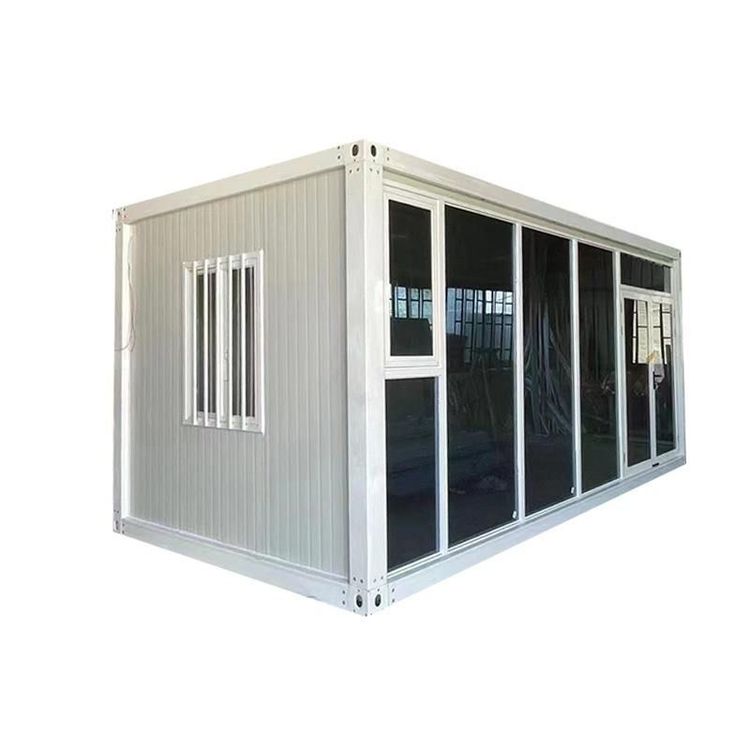
Mobile Toilet Sewage Disposal Technology
Mobile toilet sewage disposal technology is mainly divided into four mainstream categories and other special discharge methods, as detailed below:

I. Four Mainstream Categories of Sewage Disposal Technology
Water-flush Sewage Disposal Technology
This technology achieves sewage disposal through conventional flushing structures, relying on external tap water and sewage pipelines, or in combination with built-in water storage tanks and sewage storage tanks. Its core principle is to use water flow to flush fecal matter into septic tanks or municipal sewage networks, making it suitable for places with complete pipeline networks, such as municipal squares and highway service areas. Advantages include cleanliness without odors and low construction costs; limitations include susceptibility to freezing and blockage in low-temperature environments, limited capacity of sewage storage tanks, and the need for frequent removal in areas with high foot traffic.Foam Sealing Sewage Disposal Technology
This technology relies on a foaming device to generate high-density foam that covers the surface of fecal matter, reducing water usage for flushing (water-saving rate exceeds 85%). The foam layer isolates odors and prevents fecal matter from being exposed, with a built-in sewage storage tank that does not require an external water source. Typical application scenarios include cultural and tourism venues such as scenic spots and outdoor markets, but the sewage storage tank requires regular cleaning.Microbial Degradation Sewage Disposal Technology
This technology decomposes fecal matter through microorganisms within the tank, converting organic matter into harmless residues. The volume of residues is reduced by approximately 90%, and the removal cycle can be extended to several months. Core advantages include no need for external water and electricity supplies, making it suitable for remote areas without pipeline networks, such as mountainous regions and rural toilet renovations; shortcomings include reduced degradation efficiency in high-temperature environments and unsuitability for scenarios with extremely high foot traffic.Packaging Sewage Disposal Technology
This technology uses biodegradable sealed bags to directly collect excreta, which are replaced in their entirety when full. There is no decomposition process, and it is unaffected by temperature. Characteristics include low equipment costs and simple operation, but high consumption of consumables and relatively high long-term usage costs. It is mostly used for short-term outdoor activities or emergency shelters.
II. Other Special Sewage Disposal Technologies
Vacuum Sewage System
This system utilizes negative pressure principles to quickly suck sewage and waste into a collection container through a vacuum pump, using minimal water and achieving high efficiency. Advantages include preventing sewage leakage and odor diffusion, making it suitable for places with extremely high hygiene requirements.Water Storage Sewage System
This system flushes waste into a water storage tank through water flow. When the water level reaches a preset value, a flushing device is automatically activated. Applicable scenarios include areas with sufficient water sources and convenient cleaning, but the water storage tank requires regular removal.Biodegradation Technology
This technology converts organic matter in sewage into harmless substances (such as carbon dioxide and water) through microorganisms or enzyme preparations before discharge. Outstanding environmental protection significantly reduces pollution, but the technological costs are relatively high, and it is mostly used in high-end environmentally friendly mobile toilets.