
How Does a Mobile Toilet Dispose of Sewage?
Mobile toilets have various sewage disposal methods, including conventional water flushing, vacuum sewage systems, water storage sewage systems, direct discharge and fecal tanks, as well as other disposal methods.
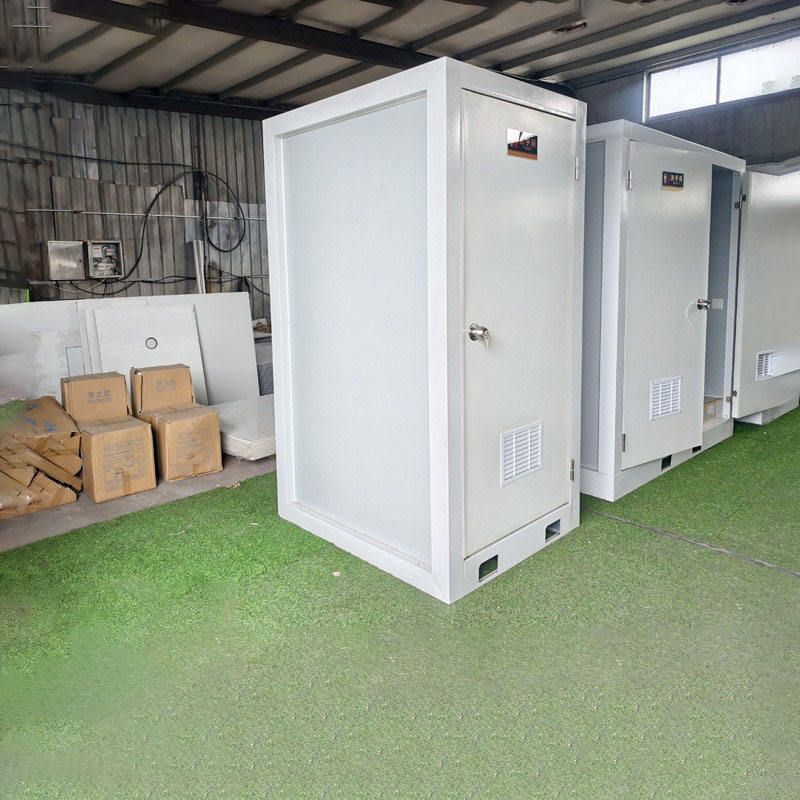
Conventional water-flushing mobile toilets require connection to water supply and drainage pipes, using manual or automatic sensing for sewage disposal. After the user finishes excretion, pressing the flush button or triggering the automatic sensing device causes water to flush the waste into a septic tank or municipal sewer network. This disposal method is suitable for environments with water access, has relatively low construction costs, mature technology, and a user experience similar to that of ordinary fixed toilets. However, it has certain requirements for water sources and drainage facilities and may be restricted in areas with water shortages or poor drainage.
Vacuum sewage systems utilize negative pressure for sewage disposal. A vacuum pump generates negative pressure to rapidly suck sewage and waste into a collection container. When the sewage reaches a preset level, the vacuum pump automatically starts to continue pumping the sewage away. This disposal method is highly efficient, uses less water, effectively prevents sewage leakage and odor diffusion, and is suitable for places with high hygiene requirements and water scarcity, such as large event venues and tourist attractions.
Water storage sewage systems flush waste into a storage tank using water. When the sewage reaches a preset level, the flushing device automatically starts to further process or store the sewage. When the storage tank is full, manual cleaning and replacement are required. This method is suitable for places with sufficient water sources and easy cleaning, such as some temporarily constructed construction site toilets.
In the direct discharge and fecal tank disposal methods, direct discharge involves connecting to water supply and drainage pipes to directly discharge sewage; fecal tanks collect feces in a tank, which is periodically cleaned and transported for treatment.
Some mobile toilets also use biodegradation technology for sewage disposal. This technology utilizes microorganisms to convert organic matter in sewage into harmless substances before discharge, which is environmentally friendly and reduces environmental pollution, suitable for places with high environmental protection requirements, such as eco-tourism areas.


